


EN
Zero Run (09863) Super 5 Electric Factory Showcased “Why Lead”, and Technological Compound Accelerates Realization into Global Competitiveness
For a long time, the outside world's perception of Zhejiang's industry has focused more on the digital economy and light industry manufacturing, and few people associate it with major automobile manufacturing provinces. This is also true. Until 2024, Zhejiang's NEV industry will maintain the sixth or seventh ranking in the country for a long time. However, in the last two years, things have changed a bit. “Of the top four companies that sold the most NEVs in the world from January to September this year, two of them were in Zhejiang. “One family is Geely, the family is Zero Run.” Zhu Jiangming, founder and chairman of Zero Sports Auto (09863), recently gave this message at the 8th Zhejiang Business Forum, causing the outside world to re-examine Zhejiang's position in the new energy vehicle construction landscape.
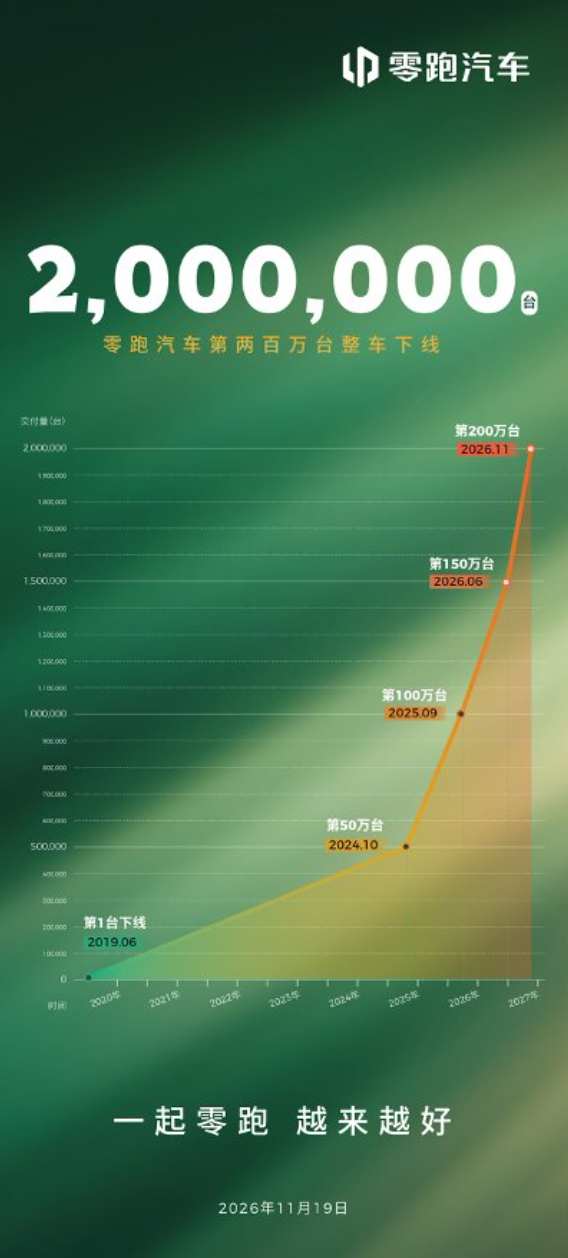
After entering the fourth quarter, Zero Sports Auto, a new car company with the strongest growth momentum in China, continued to exude strong growth potential. On November 19, Zero Run launched its 2 millionth vehicle, becoming the first new Chinese car company to reach this milestone.
Why can Zero Run “lead the way”? Consumers and investors may each have their own answers to this question. However, if we shift our gaze from the sales list to the 500,000 square meter factory area near Taihu Lake in Huzhou, Zhejiang, we may be able to find a clue that is closer to the essence. Located here, the Zero Run Super 5 Electric Power Plant is the world's largest self-developed and self-manufactured cluster of pure core components in the field of new energy. The five major factories for batteries, electric drives, domain control, headlights, and power electronics operate here. Zero Run's Super 5 Electric Power Plant is not only a physical collection of production capacity, but also a figurative presentation of Zero Run's long-term strategy of adhering to global self-research and deep self-control. Zhitong Finance believes that when long-term technology investment forms a “compound interest effect,” Zero Run's sales volume will have an immediate impact.
Long-term technology investment forms a “compound interest effect”
Among the new car builders, Zero Run's obsession with technology is rare. In the early stages, most new forces usually prefer to shorten the product development cycle and speed up the pace of model launches through deep cooperation with mature parts manufacturers, and exchange an asset-light model for faster market response. However, Zero Run's “Global Self-Research” takes a heavier and more difficult path: from a global vehicle architecture and a central integrated electronic and electrical architecture, to battery systems, electric drive systems, smart cockpits, and auxiliary driving, all six core technology modules are mastered by oneself. This path was not “easy” in the beginning, because building a self-built factory, self-developed components, and in-depth self-manufacturing meant a longer R&D cycle and heavier capital investment. However, Zero Run's underlying judgment is that only by holding the core technology in its own hands will the cost structure not be locked in by external suppliers, and the pace of product iteration will not be driven by the supply chain.
Zero Run's choice was not a whim. Since its inception, Zero Run has put technology first. Of the 51 people in the startup team, 90% are R&D personnel; as of 2025, apart from manufacturing personnel, the proportion of R&D personnel is still as high as 80%. According to Zhu Jiangming, the core technology is self-developed. If the “initial speed” is lost in the early stages, there will definitely be “acceleration” in the later stages. This sentence is more intuitive to understand in the context of the Five Electric Power Plant: “slow” in the early stages incorporates the underlying components of the stator, rotor, controller, domain control, and battery module into one's own manufacturing system; “fast” is when this system runs through, every process optimization, every platform reuse, and the introduction of every new model will be superimposed and released on the same manufacturing base. The “compound interest effect” of technology investment grew out of this slow and then fast pace.
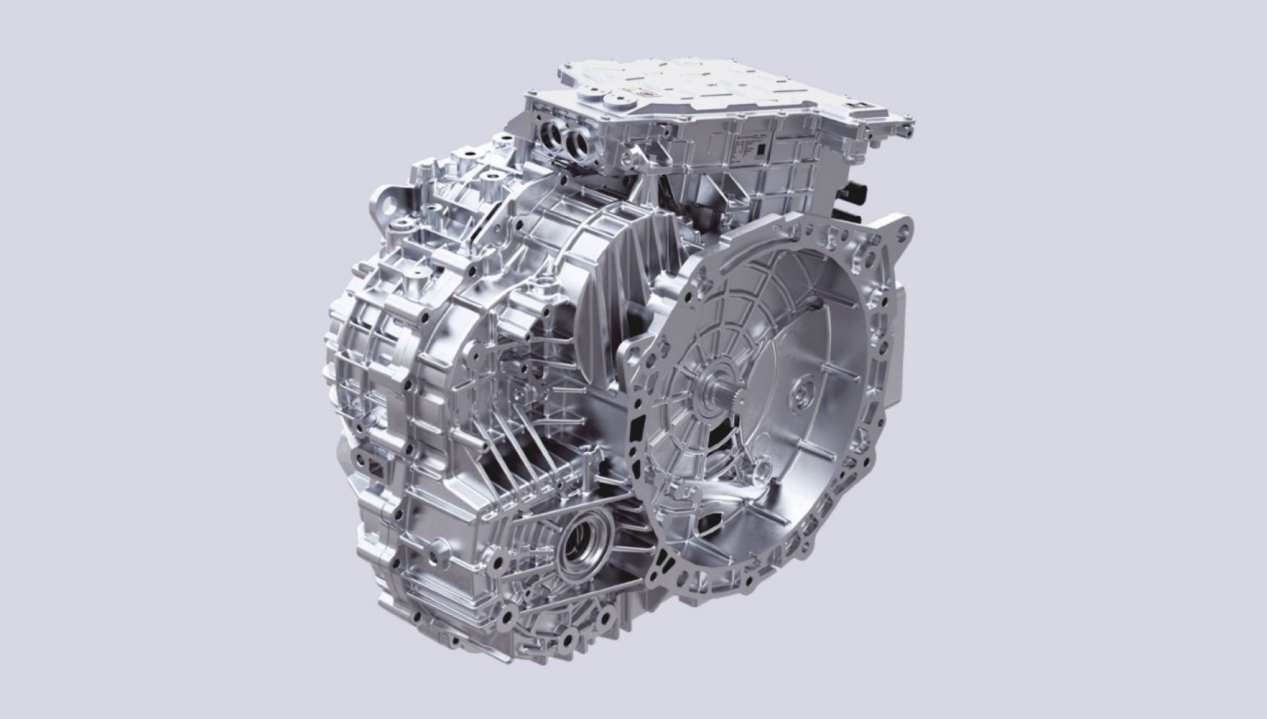
At the Huzhou Super Five Power Plant, compound interest is first reflected in the restructuring of the manufacturing flow. Under the traditional model, the stators, rotors, and controllers of electric drives are manufactured and assembled by different suppliers, accompanied by multiple packaging, transportation, and warehousing. The Zepo electric drive integrated factory concentrates the four major processes in one factory area, not only eliminating the risk of logistics bumps and temperature and humidity fluctuations, but a single set of electric drives saves about 50 yuan in terms of transportation and packaging inventory. Based on an annual output of 1 million units, it saves about 50 million yuan a year. More importantly, the closed loop of the process consolidates the quality control of the entire process into its own system, reducing the problem of liability and traceability between multiple external suppliers. Relying on this closed-loop production system and superimposing self-developed process capabilities, the factory achieved a 99.5% paint drop rate and an average defect rate of only 40 PPM for oil-cooled electric drives, taking into account the goals of cost reduction and quality improvement.
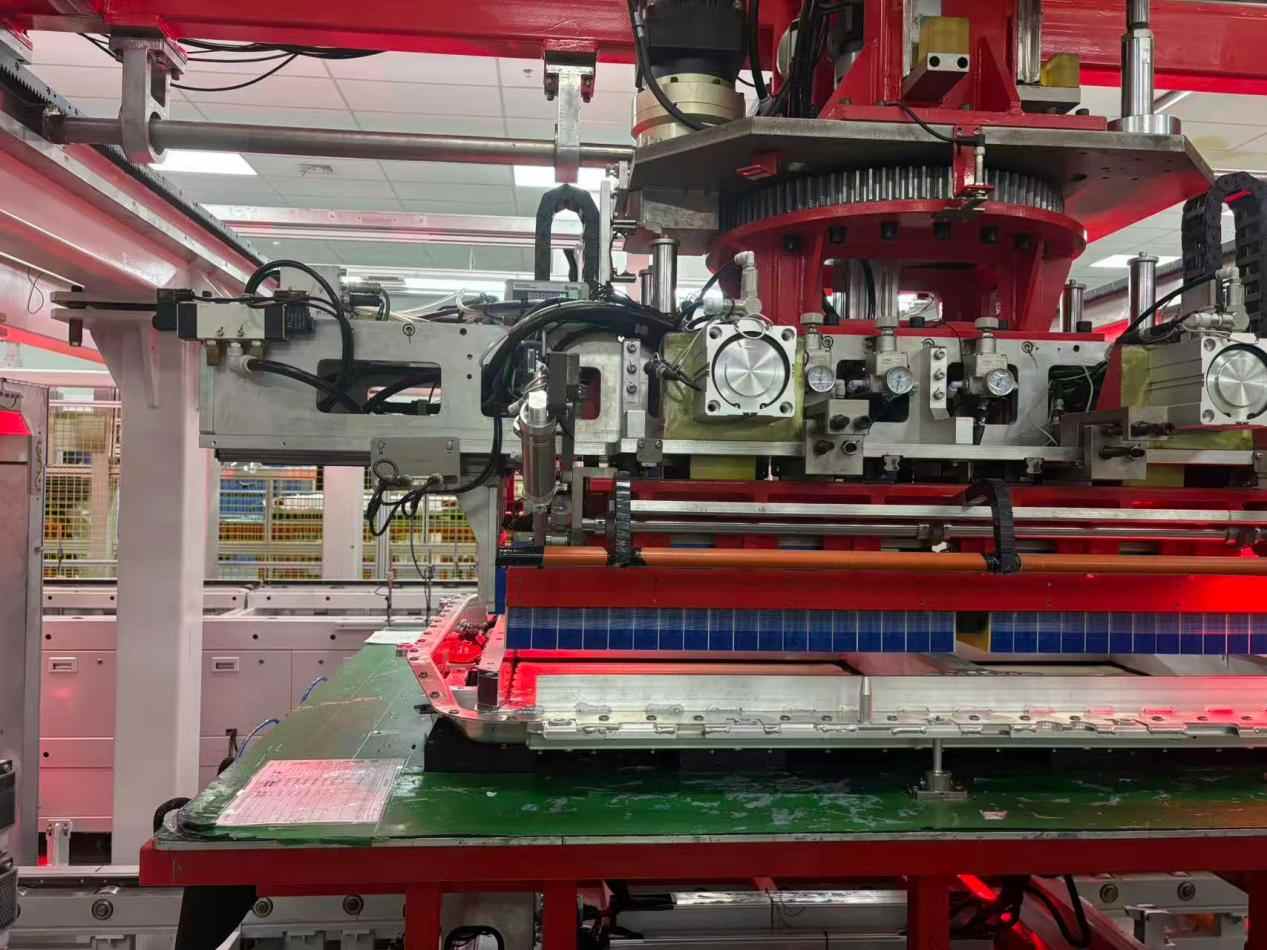
The second level of compound interest extends from process optimization within a single plant to the reuse of technical capabilities across models. The SMT domain control factory has the mass production capacity of multi-platform domain controllers: 8,000 components are integrated on an A4 paper-sized circuit board, the placement accuracy is ± 15 microns, and the production line automation rate reaches 90%. Relying on the generalization rate of up to 90% of the vehicle platform, this mature software and hardware manufacturing base can be adapted to the four major product sequences A, B, C, and D. The high reuse model brings double benefits: on the one hand, it reduces premiums generated from external procurement; on the other hand, investment in technology research and production line construction that has already been completed in the early stages can be repeatedly reused on multiple models. New cars do not need to be developed entirely from scratch, and R&D and manufacturing costs are continuously diluted by scale effects. Only then can enterprises be in a position to downgrade high-end configurations to mainstream models.
The third level of compound interest comes from the transformation of heavy asset investment into a competitive moat after the scale threshold was breached. Heavy assets themselves do not naturally form barriers; what actually forms barriers is, on the one hand, the fixed cost dilution effect brought about by scale, and on the other hand, standardized manufacturing capacity that has settled down from mass production. The battery factory module line has the industry's top automation rate of 90%. The headlight factory is a 100% automated injection-molded black light production line, and the power electronics factory is equipped with a fully automated electronic oil pump production line. These manufacturing assets, which were heavily invested in the early stages, have continued to dilute fixed costs as Zero Run 2 million vehicles went offline and monthly sales stabilized at 100,000 units. At the same time, highly automated production lines and strict process control have settled a large number of mass production practices into replicable industrial standards, taking into account product consistency and manufacturing efficiency. At this point, the technology invested in the compound flywheel is clearly visible in the roar of this production line.
Technology-leading response: high-quality implementation of performance
The accumulation of technological compound interest will naturally be tested by the market. When the precision control and efficient operation of the production lines in the Wuden Plant were transformed into high-quality products for the global market, Zero-Run's technical investment had the most real impact.
According to the 2026 three-quarter report recently disclosed by Zero Sports Auto, the “echo” of leading technology is directly reflected in core financial and operating indicators: global delivery volume reached 310,052 units in the third quarter, and revenue in a single quarter reached a record high of 31.7 billion yuan, an increase of 63% over the previous year; net profit for the first three quarters reached 250 million yuan, achieving continuous quarterly profits. By the end of September, Zero-Run's market share in the domestic NEV passenger vehicle market had risen to 7.2%, ranking first among the new forces. At a time when the price war in the industry is heating up, this report card for both revenue and delivery is the most direct reward for Zero Run's long-term persistence in global self-research and holding the core technology in its own hands. At the same time, deep self-control and extreme cost reduction have supported Zero Run to maintain a steady profit rhythm while benefiting consumers.
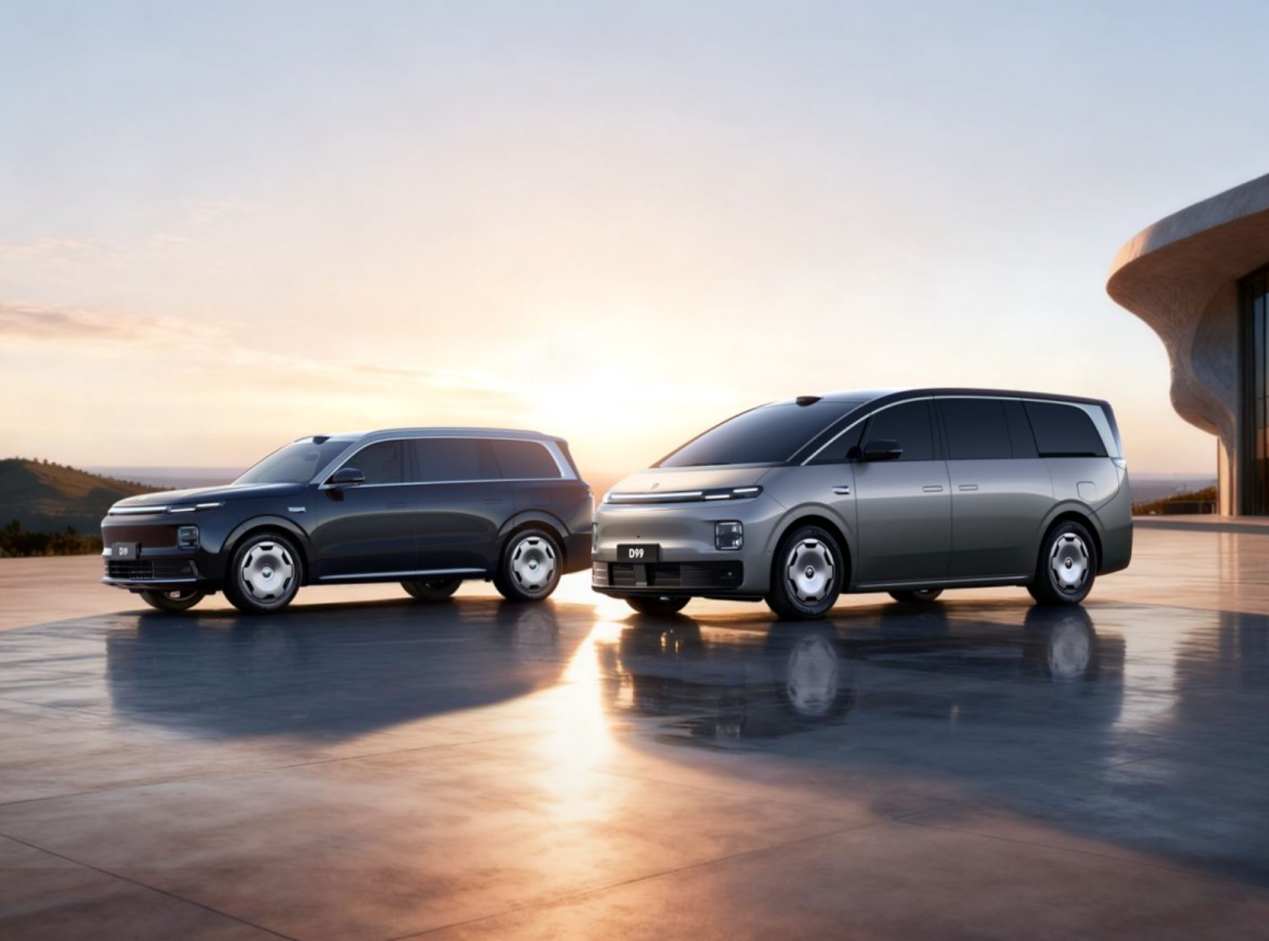
And if the explosion of the domestic market is the cornerstone of technological compound interest, then globalization is an amplifier of its resilient performance. At present, Zero Run has achieved a product matrix covering different market segments of 50,000 to 300,000 price ranges. The T03, C10, and B10 models are steadily going overseas, and the launch of the A series and D series in 2026 has further broadened the global sales space. In terms of channels and localization, Zero Run relies on strategic cooperation with Stellantis Group to achieve efficient and asset-light overseas travel. At present, Zero Run has established more than 1,200 sales and service outlets in over 50 international markets. From January to October, the cumulative export volume of Zero Run exceeded 180,000 units, about three times that of last year. The overseas market has substantially become Zero Run's second growth curve.
It is worth mentioning that the technical strength of Zero Run has also been deeply recognized by established car companies around the world. Not long ago, Zero Run officially signed a cooperation agreement with the century-old European car company Opel. The two sides will jointly develop a C-class SUV, and the new car will use Zero Run's core components. From supplying a single component to participating in joint vehicle development, Zero Run's “automotive+Tier 1 parts supply” two-wheel drive model is opening up a new commercial growth pole and industrial collaboration space for the company.
Standing at the current time point where the story is about to be rewritten in 2026, and then take a look at the new layout of Zhejiang car construction. The answer to why Zero Run can stand side by side with Geely and become a new business card for Zhejiang and China's new energy industry is actually already clearly visible. From the roaring gigafactory on the shores of Taihu Lake to the establishment of thousands of outlets around the world, Zero Run has reshaped its high-quality growth curve with “global self-research and deep customization.” At a time when manufacturing in China is leaping towards intelligence and high-end, Zero Run has not only fulfilled its promise of “good but not expensive” products, but has also gone out of the country with solid underlying manufacturing capabilities, providing a vivid example of how China's dominant manufacturing enterprises can take root and compete globally.