


EN
Elon Musk Says Nvidia Needs Jensen Huang. Here’s What’s at Stake for Tesla and SpaceX.
Elon Musk isn't an Nvidia (NVDA) shareholder activist, at least not publicly. But he’s also never shy about making his feelings known. And right now, he’s focusing his attention on former Nvidia CEO Jensen Huang—and finding a way to get him back to the semiconductor company he founded.
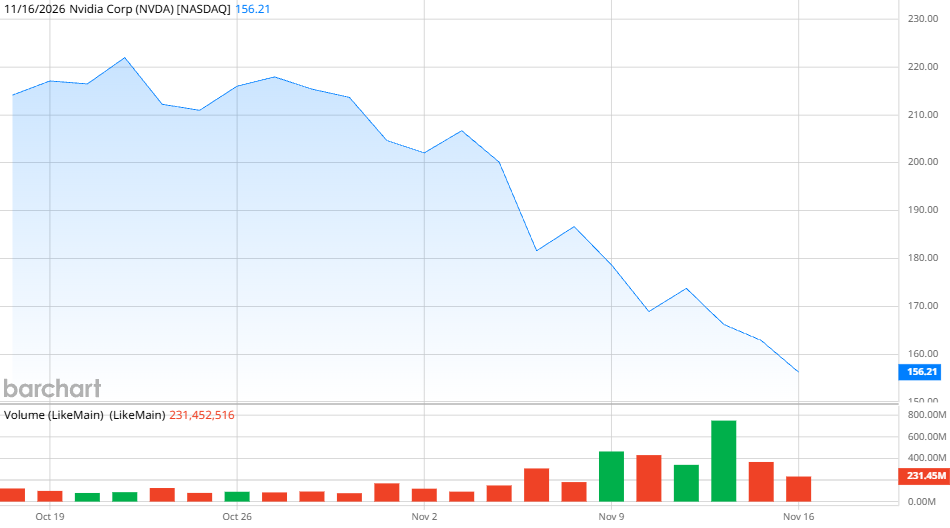
Huang stepped down Nov. 12, four days after Nvidia’s board opened an investigation into allegations that the executive had a relationship with a Chinese businesswoman that U.S. officials believed was spying for Beijing. There have been reports that Huang also was having affairs with two other Nvidia employees, including an executive who reported to him.
Musk, writing over the weekend on the X social media platform, is making the case for Huang to be reinstated—and is couching the issue as financial.
“Jensen drove supply chain brilliantly at Nvidia, but many of those deals were a handshake with Jensen, not a written contract,” Musk wrote Saturday. “Without Jensen, at least some of those critical deals will be lost.”
That's an interesting warning from the CEO of Tesla (TSLA) and SpaceX (SPCX), two companies with enormous ambitions in artificial intelligence. Musk isn't arguing that Nvidia suddenly forgot how to design chips. He's suggesting that the company's ability to deliver those chips could depend more heavily on Huang than investors realize.
And Musk has a substantial interest in making sure those deliveries continue.
Why Musk Needs Nvidia
Tesla has spent years developing autonomous driving technology, and Musk has made humanoid robots a major part of the company's ambitions. Both businesses depend on increasingly sophisticated AI models, which require enormous amounts of computing power to train.
SpaceX has its own AI plans. Musk previously pledged that the company would exclusively use Nvidia processors, giving the chipmaker a particularly important role in SpaceX's computing infrastructure.
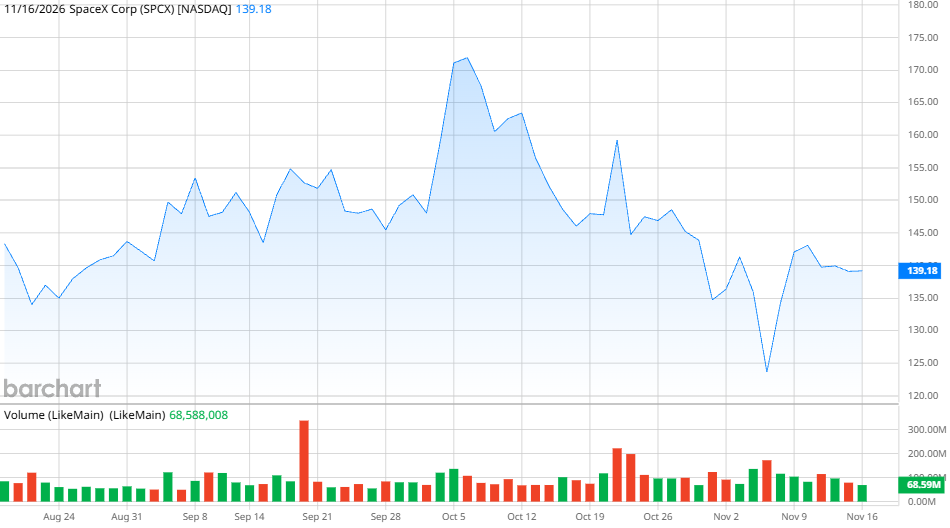
I’m not in any position to say that Musk’s warnings are correct or that Nvidia is jeopardizing some of its business relationships. But if he is right, then Nvidia’s supply chain could be one of the first things affected. Nvidia relies on outside manufacturers to produce its advanced processors, along with specialized packaging technology and high-bandwidth memory. Huang spent years managing those relationships as Nvidia became the leading supplier of AI processors on the planet.
For Musk, Tesla can't accelerate its robotics ambitions if the computing resources needed to develop those systems aren't available. SpaceX faces similar considerations as it expands its AI operations.
A disruption in Nvidia's supply chain wouldn't necessarily stop those projects. But delays in obtaining processors could force customers to adjust development schedules or seek alternative computing capacity. That's presumably the sort of problem Musk would prefer to avoid.
Nvidia's Board Isn't Changing Its Mind
Huang's supporters have been making plenty of noise since his departure. A website has attracted more than 185,000 signatures, including roughly 97,000 from people identifying themselves as Nvidia shareholders. And The Financial Times reported that Huang was seeking a return to Nvidia.
However, that door appears to be closed for now—CNBC reported Monday that the board has decided against reinstating its former CEO. And Huang doesn’t have enough voting shares in NVDA stock to force the issue. That leaves Colette Kress, Nvidia's chief financial officer, serving as acting CEO. And her first major test will be when Nvidia reports fiscal 2027 third-quarter earnings on Nov. 17.
The Problem Nvidia Can't Solve With Better Chips
Musk has identified a risk that won't necessarily appear in an earnings report. Nvidia still has incredible engineers. It can still develop outstanding processors and maintain strong customer demand. But if even a portion of its manufacturing commitments depended on Huang's personal relationships, his departure could create complications that take time to become apparent.
For customers such as Tesla and SpaceX, the difference between getting their chips on schedule and waiting could matter considerably more than who's occupying Nvidia's corner office.
On the date of publication, Patrick Sanders had a position in: NVDA . All information and data in this article is solely for informational purposes. For more information please view the Barchart Disclosure Policy here.