


EN
3 Cloud Stocks Retail Investors Are Watching After Microsoft Outage Risk
A single outage at Microsoft can freeze email, meetings and workflows for hundreds of millions of people in a day, which turns a routine cloud upgrade into a global stress test for trust. That kind of fragility can reorder how budgets get allocated and which providers win the next round of contracts. This piece walks through three stocks tied to this disruption and why their next moves could matter for your portfolio.
The stocks highlighted below are just a sample starting point, and the full screen surfaced 41 more global cloud infrastructure and management providers with equally compelling stories that are not covered here. If you want to move beyond headlines and actually identify, compare, and analyze potential high conviction ideas, head straight into the Global Cloud Infrastructure and Management Providers screener.
Bandwidth (BAND)
Bandwidth fits directly into the screener theme by running cloud-based communications infrastructure that enterprises use for resilient voice and messaging. The analyst consensus Narrative on Simply Wall St highlights how its software layer is increasingly tied to AI heavy traffic.
Accelerating enterprise adoption of AI powered voice applications, driven by Bandwidth's Maestro platform and integrations, continues to support higher revenue per call for AI enabled use cases and is expected to contribute to higher usage, ARPU and gross margin over time.
The key variable is how a shift in customer mix affects its long term earnings power.
Bandwidth operates a global cloud communications platform as a service focused on internet telephony, which produced about US$870 million of revenue and carries a market value of roughly US$1.5b.
That earnings power question is exactly what the full narrative for Bandwidth unpacks, showing where Bandwidth’s usage, mix shift and AI traffic could surprise the market next.

Calix (CALX)
Calix runs cloud and software platforms that help broadband providers manage and deliver connectivity services at scale, which fits directly with the screener’s focus on large cloud infrastructure and management vendors. The analyst consensus Narrative on Simply Wall St frames the investment case around one key shift in how that platform is used.
The rollout of the AI native Calix One platform and Agent Workforce Cloud to roughly 1,200 migrated customers, supported by around $2b of historical platform investment and more than 0.5 billion workflows processed annually, points to further monetisation of agentic workflows that can support higher software and services revenue and improving gross margin quality.
What happens if a single pressure on Calix’s hardware economics changes the pace at which that software heavy mix actually shows up in margins?
Calix develops and sells communications access systems and software, generating about US$1.1b from that segment, and supports broadband service providers globally through its cloud platforms and managed services, with the stock valued at roughly US$2.0b in market cap.
If that hardware drag matters for you, the full narrative for Calix shows how Calix’s AI heavy platform push could accelerate, stall, or completely reshape the margin story.
Flex (FLEX)
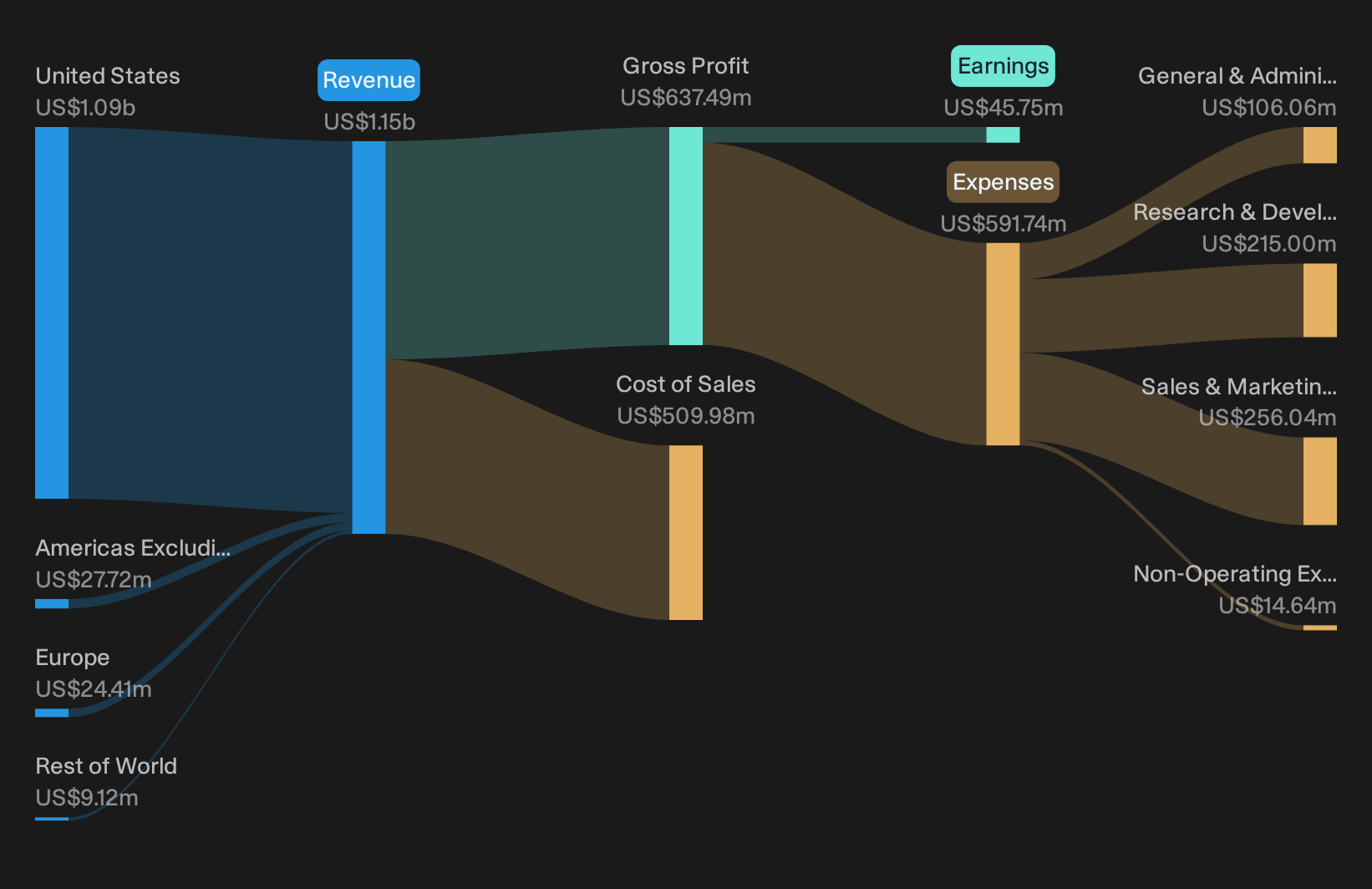
Flex is one of the few large manufacturers that help build the physical hardware behind cloud and AI data centers, with Cloud and Power Infrastructure generating about US$8.1b of its roughly US$30.9b in segment revenue, and the business valued at about US$28.9b in market cap.
Zdend, a Simply Wall St Community investor who wrote the Narrative, argues that a looming structural change could reshape how investors think about Flex’s role in AI data center hardware and cloud infrastructure.
The CPI Spin-Off Announcement (May 2026): Flex unveiled a transformative plan to separate into two independent, public entities by spinning off its Cloud & Power Infrastructure (CPI) division.
What happens to Flex’s earnings power and market rating if one quiet shift in how investors value that future pure-play cloud unit breaks in either direction?
If that split is what you care about, the full narrative for Flex walks through how the CPI spin could re-rate Flex and where investors might be underpricing it.

Seeking Fresh Alternatives Before They Fly
Fresh opportunities move first. Breakout stories gain momentum, laggards get caught dropping, and the best ideas stay under the radar for now. Do your homework before the crowd and act now.
- Spot sturdier balance sheets before momentum chasers arrive by scanning the list of solid balance sheet and fundamentals (24 results) and focusing on businesses where financial footing matters most.
- Hunt for growth at a discount by using the 32 high quality undervalued stocks while these candidates are still priced for caution instead of optimism.
- Track early inflection points in automation demand by reviewing the 86 robotics and automation stocks and seeing which manufacturers and software suppliers are already building traction.
Have feedback on this article? Concerned about the content? Get in touch with us directly. Alternatively, email editorial-team@simplywallst.com