


EN
Is Visa (V) Above Fair Value Or Still Below It?
Visa Inc. has ridden a powerful digital payments story, and after a long stretch of strong share-price gains the question now is whether the current valuation is still grounded in the returns the business earns on its capital.
- Over the past 5 years Visa has returned 120.2%, which puts a lot of weight on the idea that its profitability on each dollar invested in the network can carry that kind of performance.
- Recent moves into AI-driven commerce, stablecoin settlement and data tools such as the Visa IDX API can support expectations for how efficiently Visa may keep deploying capital across its global payments infrastructure.
- What if you looked at Visa through its earnings instead? See why Visa's 34.5x P/E tells a different valuation story.
The issue now is whether the price investors are paying for Visa today is fully explained by the returns the company earns on its capital.
If you are weighing Visa against other ways to play AI-driven payments and digital infrastructure, it can help to line it up next to 53 AI infrastructure stocks.
Does Visa Look Undervalued on Excess Returns?
The Excess Returns model evaluates what Visa earns on each dollar of equity above the return investors require. On this basis, Visa is being assessed on whether its profitability justifies paying $425.76 for each share today.
Visa’s average return on equity of 72.89% is being compared with a cost of equity of $1.89 per share. This implies a wide gap between what the business is expected to earn and what shareholders require. The framework uses a stable EPS of $18.78 per share and a stable book value estimate of $25.76 per share, both drawn from analyst expectations, to project how much value Visa can keep adding on top of its book value over time.
Because OpenAI’s ChatGPT Wallet now plugs Visa into AI driven purchasing flows, the market may be assigning a richer multiple to those excess returns than the model implies, even though the projections put Visa's estimated intrinsic value modestly above the current share price. Find out what Visa could be worth using our Excess Returns estimate.
The Visa Narrative: What Would Justify Today's Price?
Simply Wall St Narratives pick up where the Visa valuation puzzle leaves off and translate it into clear, explicit assumptions about future growth, profitability and earnings power that would need to hold for the stock to be worth meaningfully more or less than it is today. Each one treats fair value as a thesis you can track against Visa's actual progress over time, rather than a one-off number. They sit on the Community page for you to explore.
Bulls and bears are looking at the same Visa engine and reaching very different conclusions about how much is already priced in.
Bull case: 5% undervalued
The analyst consensus Narrative on Simply Wall St sees more upside in how Visa leans into higher growth parts of its network.
"Rapidly accelerating adoption of value added services, now almost one third of Visa's revenue and growing 34% year over year in the latest quarter, is increasing the mix of software like and data rich offerings that can support higher net margins and earnings..."
Discover why this Narrative puts Visa at 5% undervalued.
Bear case: 10% overvalued
According to andre_santos, an investor in the Simply Wall St Community, the current Visa price already bakes in generous assumptions.
"To calculate the intrinsic value of the company I''ll use multiple methods, Discounted Cash Flows, EPS Growth, Historical P/E and Historical EV/EBITDA values..."
Explore why this Narrative puts Visa at 10% overvalued.
One More Piece Of The Visa Story To Check
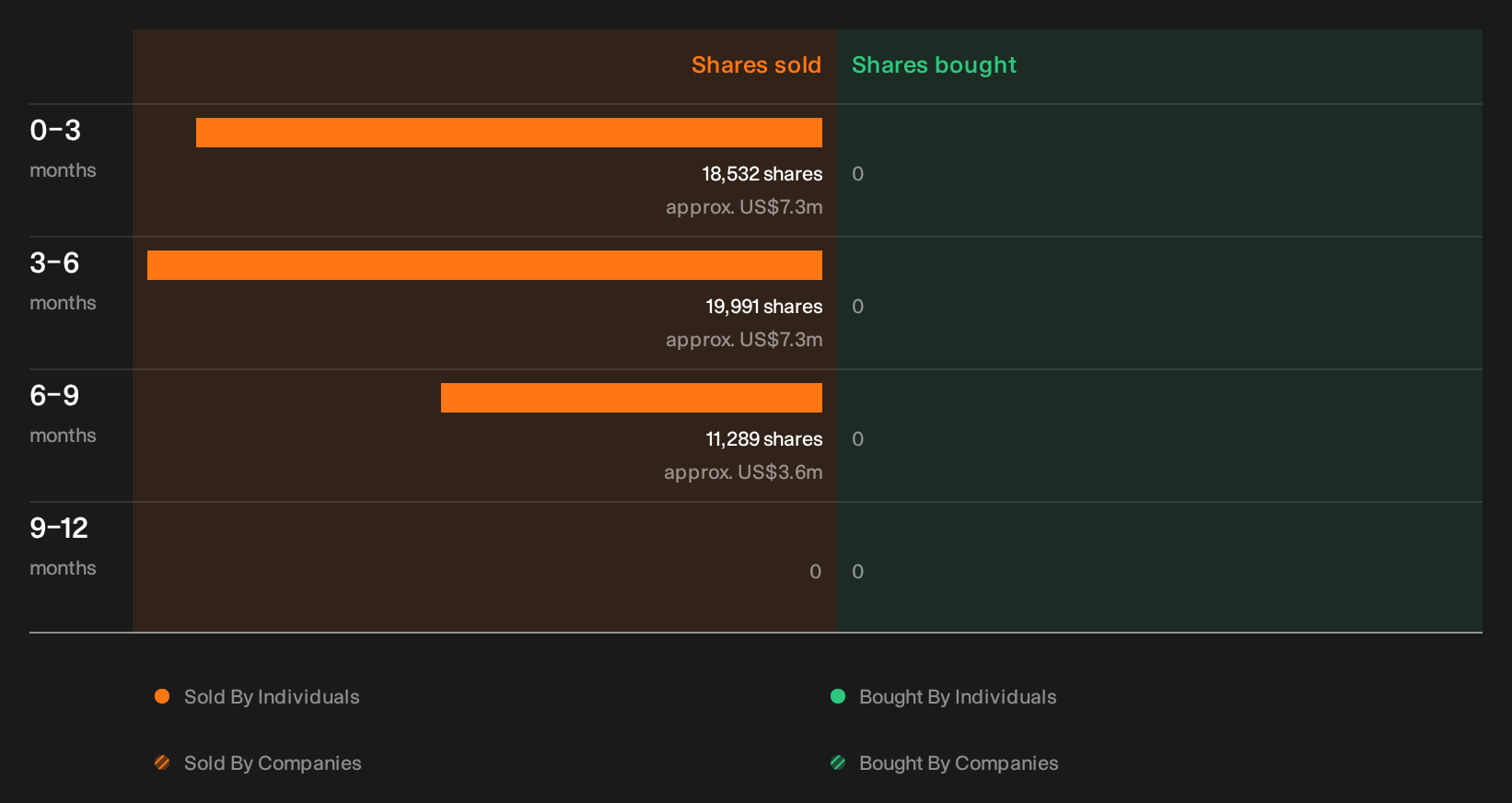
Valuation is only part of the picture for Visa, and recent activity from people inside the business adds another angle that can help you judge conviction. See the recent insider selling flagged for Visa.
Have feedback on this article? Concerned about the content? Get in touch with us directly. Alternatively, email editorial-team@simplywallst.com