


EN
Treasury Wine Estates Stock And Pepperjack Spritz Launch What Investors Should Watch
- Treasury Wine Estates recently launched Pepperjack Spritz, a 2.7% ABV, low alcohol wine made with all natural ingredients and no added sugar, now on shelves at selected national retailers.
- The new spritz extends Treasury Wine Estates' presence in the low alcohol category and aims to link the Pepperjack label more tightly to meal led drinking occasions.
- The focus now turns to how Treasury Wine Estates' existing investment narrative could be influenced by Pepperjack Spritz entering the low alcohol segment.
Treasury Wine Estates Investment Narrative Recap
To own Treasury Wine Estates, you need to be comfortable with an unprofitable group that is leaning on brand strength, forecast earnings recovery and tighter cost control. According to Jamesiskindacool, an investor in the Simply Wall St Community who wrote the Narrative, the key near term swing factor is management hitting the FY26 EBITS guidance of A$480–490 million. Pepperjack Spritz looks helpful for brand relevance, but by itself it is unlikely to move those group level numbers in the short term.
The biggest operational risk right now is that softer US demand, execution of restructuring plans and debt reduction targets combine to keep profitability under pressure. Net debt of A$1.87b and leverage of 2.4x, alongside a suspended FY26 interim dividend, keep balance sheet progress in focus. The Pepperjack launch does not materially change that near term risk reward balance.
With no new company announcements disclosed alongside Pepperjack Spritz, the most relevant context remains the FY26 guidance and cost out ambitions outlined earlier this year. Treasury Wine Estates reported first half FY26 revenue of A$1.30b and EBITS of A$236.4 million, with management expecting second half EBITS to exceed that level. That guidance frames how investors may judge execution on brand extensions such as low alcohol offerings.
Jamesiskindacool argues that the equity story leans more on existing brands like Penfolds, measured recovery in earnings and the A$100 million annual cost reduction target than on any single new product. Against that backdrop, Pepperjack Spritz can be read as incremental support for the broader portfolio strategy rather than a primary catalyst. The main levers still sit in earnings delivery, US performance stabilisation and disciplined use of external borrowing.
Based on Jamesiskindacool’s numbers, the narrative’s fair value of A$7.07 per share comes from applying an earnings-based valuation to Treasury Wine Estates, assuming revenue grows at 8.3% per year and the business eventually settles at a 10.8% profit margin.
Uncover why Treasury Wine Estates' fair value indicates a 10% potential upside to its current price that could narrow quickly.
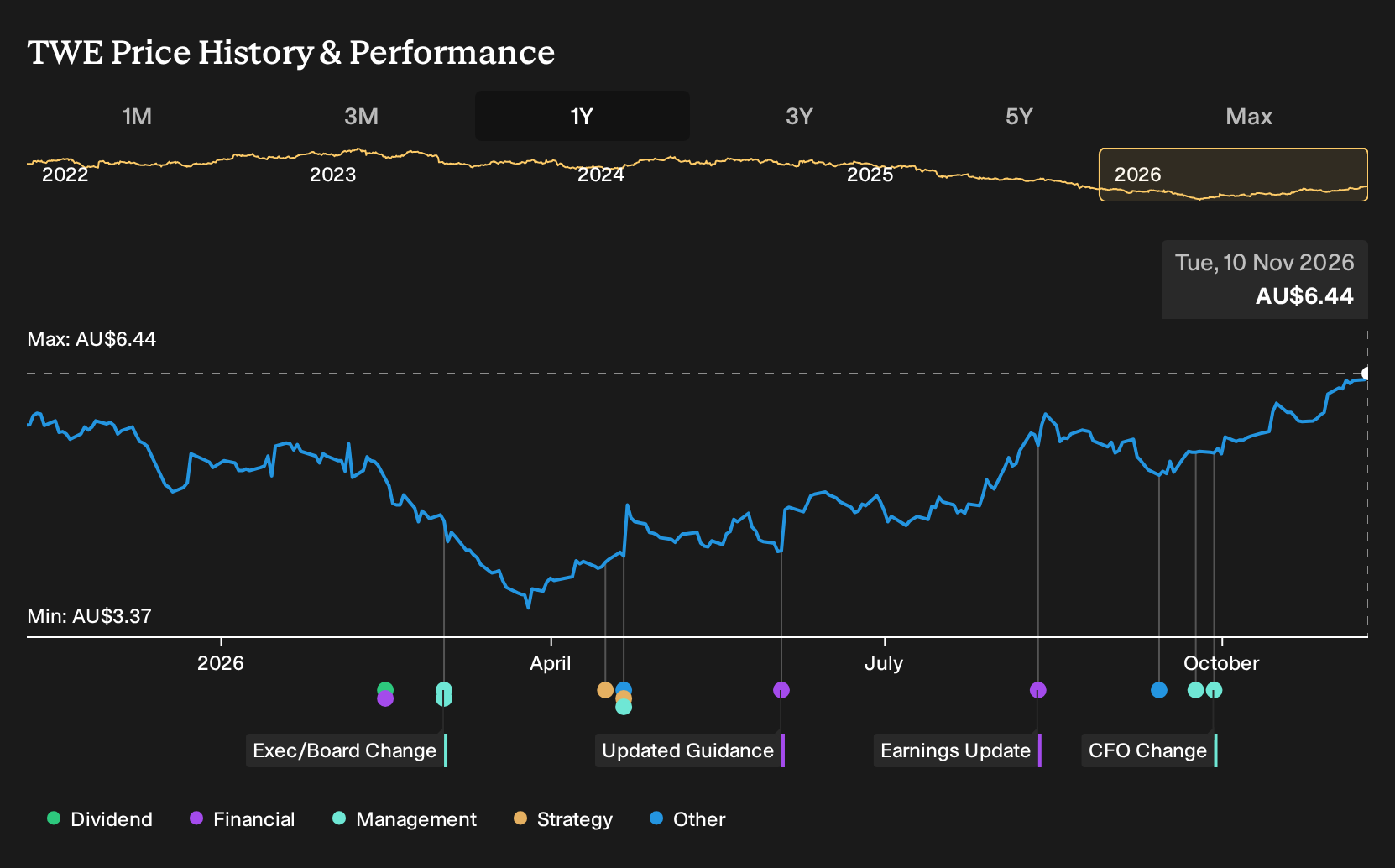
Exploring Other Perspectives
Some of the most optimistic analysts see Treasury Wine Estates very differently to the baseline debt and execution worries. They lean heavily on new category growth, with forecasts that revenue could reach about A$3.6b and earnings A$665.2m by 2028. Those projections were set before Pepperjack Spritz, so your own view may shift as this launch becomes established.
Explore 4 other Treasury Wine Estates fair value estimates, including one that suggests potential upside of as much as 158% from the current price!
The Verdict Is Yours
Disagree with existing narratives? Extraordinary investment returns rarely come from following the herd, so consider forming your own view.
- A great starting point for your Treasury Wine Estates research is our analysis highlighting 2 key rewards and 1 important warning sign that could impact your investment decision.
- See our latest analysis for Treasury Wine Estates. The report includes a comprehensive fundamental analysis summarized in a single visual, the Snowflake, making it easy to evaluate Treasury Wine Estates' overall financial health at a glance.
Looking for more investment ideas beyond Treasury Wine Estates?
If the Treasury Wine Estates story has you thinking about portfolio balance, use the Simply Wall St Screener to line up other stocks that fit the kind of risk and reward profile you prefer.
- For investors who want mispriced quality, start with companies that combine fundamentals with valuation support through our 2 high quality undervalued stocks.
- If capital preservation sits high on your checklist, tilt your search toward businesses with steadier risk profiles by using the 6 resilient stocks with low risk scores.
- When balance sheet strength matters most, narrow your watchlist to companies with robust finances through the list of solid balance sheet and fundamentals (12 results).
Have feedback on this article? Concerned about the content? Get in touch with us directly. Alternatively, email editorial-team@simplywallst.com