


EN
3 US Lenders With Floating Rate Income as Fed Rate Risk Stays Alive
Fed Governor Waller just reminded markets that short-term rates are still in play, and that puts floating-rate and short-duration lenders in the spotlight. When policy can tighten further on the back of sticky inflation, investors who ignore rate-sensitive stocks risk missing important shifts in cash flow and risk. This piece walks through three U.S. lenders closely exposed to the latest Fed signals and how that might shape their appeal.
The lenders discussed below are just a starter pack, and the full screen surfaced 9 more U.S. floating-rate and short-duration financing companies with equally interesting stories that are not covered here. To identify and analyze the highest-conviction ideas right now, head straight into the U.S. Floating-Rate & Short-Duration Lenders screener.
Ares Management (ARES)
Ares Management plugs directly into the floating rate and short duration theme through its large direct lending and credit platforms, and the analyst consensus Narrative on Simply Wall St argues that the real story is what that lending firepower could mean for future fee income.
High levels of undeployed capital, including about US$170b of dry powder at a time when direct lending spreads, OID and covenants have become more lender friendly, position Ares Management to put more capital to work on attractive terms and translate committed but non fee-paying AUM into higher management fees and net earnings.
What happens if one quiet shift in fee mix and profitability assumptions turns out very differently from what current forecasts build in?
Ares Management is a US$44.3b alternative asset manager that runs credit, direct lending, private equity and real estate platforms tied into floating rate and short duration financing. Revenue leans heavily on the Credit Group at about US$3.6b, supported by Real Assets at roughly US$1.0b and smaller Private Equity and Secondaries contributions.
If that fee mix swing is what matters most, read the full narrative for Ares Management to see how Ares Management’s dry powder could accelerate or stall that shift.

Mount Logan Capital (MLCI)
Mount Logan Capital is built for a higher short term rate world, with private credit and insurance products that can lean into floating rate and short duration lending. The analyst consensus Narrative on Simply Wall St highlights one key shift that could change how those cash flows behave over time.
The AM Best investment grade rating for Ability Insurance Company and the move into direct origination of multi-year guaranteed annuities give Mount Logan Capital more control over liability costs and product design, which can influence spread-related earnings and net margins in the insurance segment.
The real test is what happens to those spreads if a single assumption on how funding costs evolve moves against Mount Logan Capital at the wrong moment.
If that single funding swing is what worries you, read the full narrative for Mount Logan Capital to see how Mount Logan Capital’s spread story could be accelerating under the surface.
Trinity Capital (TRIN)
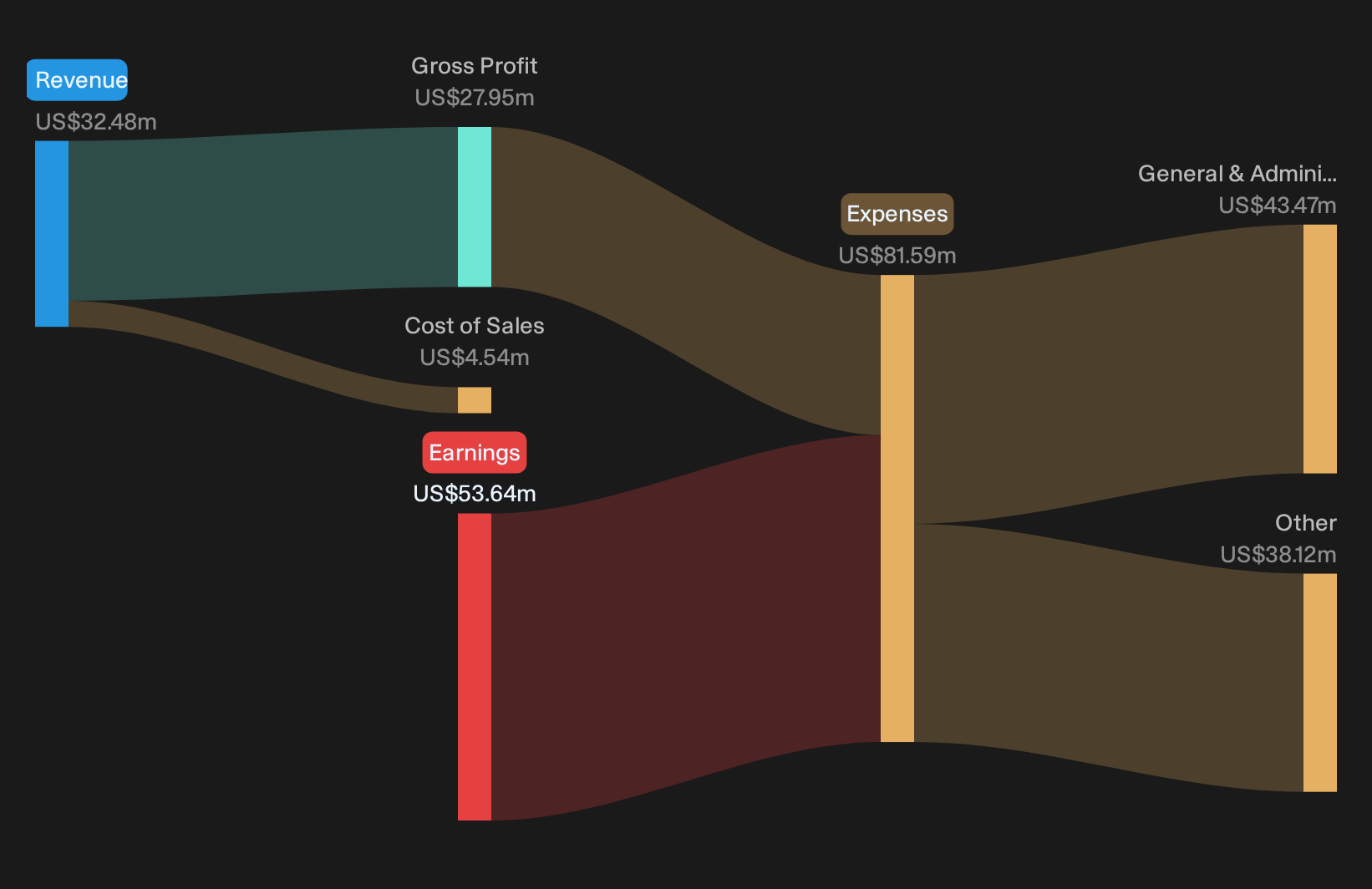
Trinity Capital plugs straight into the U.S. Floating-Rate & Short-Duration Lenders theme by funding growth-stage borrowers with loans and equipment financing that typically reset with short-term rates. It generates about US$326 million from venture capital style lending and has a market cap of roughly US$1.8b.
Trinity Capital gives rate-focused investors a different angle on this theme, because its tech and equipment lending book ties floating-rate income directly to Fed moves while also opening a second line of earnings from fee-based structures. According to the analyst consensus Narrative on Simply Wall St, that is where the story gets interesting.
Growth of fee generating managed funds and joint ventures, now at US$400m of AUM and contributing 6% to 8% of quarterly net investment income, points to a rising mix of higher margin, less capital intensive earnings.
The real question is how resilient that mix looks if one pressure point in Trinity Capital’s funding costs squeezes margins harder than current assumptions allow.
That margin squeeze risk is exactly why you read the full narrative for Trinity Capital for Trinity Capital, where the full story of accelerating fee income and potential funding pressure plays out.

Curious About What You Might Be Missing?
Fresh breakout stories do not stay under the radar for long. Once momentum is strong, entry points can be limited and pricing power can change quickly, so consider acting while opportunities are still emerging.
- Capture potential upside from smaller, cash-generating entrants before they hit the headlines by scanning the 42 profitable AI stocks that aren't just burning cash while the story is still developing.
- Scan for resilient payers that might help anchor your portfolio income by reviewing the curated 6 dividend fortresses before yields move or volatility picks up.
- Hunt for miners that could benefit if sentiment swings toward hard assets by checking the focused 34 elite gold producer stocks while these producers remain less widely followed for now.
Have feedback on this article? Concerned about the content? Get in touch with us directly. Alternatively, email editorial-team@simplywallst.com