


EN
Procter & Gamble (PG) Stock Could Trade At A Discount On Cash Flow
Procter & Gamble has rewarded shareholders over the past five years, and the current share price now asks a fresh question about how well its cash flows back that valuation. With the business also tapping long term debt markets, investors are weighing how those financing choices feed into the cash that eventually flows back to equity holders.
- Over roughly 5 years, Procter & Gamble has delivered a 29.9% total return, which puts real weight on whether the current tag can be explained by the cash it produces.
- The company’s recent US$4b issue of long dated senior notes may support ongoing investment and cost management, which can reshape the timing and durability of future cash flows available to shareholders.
- What if you looked at Procter & Gamble through its earnings instead? See what Procter & Gamble's 24.8x P/E says about the price.
The issue now is whether today’s Procter & Gamble share price lines up with its intrinsic value when those cash flows are run through a Discounted Cash Flow (DCF) lens.
If you are weighing Procter & Gamble’s cash flows against its current valuation, it can also help to compare ideas using a focused screen of 33 high quality undervalued stocks
Is Procter & Gamble Still Cheap on Cash Flow?
The Discounted Cash Flow (DCF) framework here focuses on the cash Procter & Gamble can return to shareholders over time. On the latest twelve month view, the group generated roughly US$15.8b of free cash flow, and the 2 Stage Free Cash Flow to Equity model assumes that this pool of cash continues growing rather than shrinking, then moderates into a steadier pattern in later years.
Those projections, when discounted back, put the estimated intrinsic value meaningfully above the current share price of $168.32. Because the model leans on multi year cash flow forecasts rather than a single earnings multiple, it places most of the weight on Procter & Gamble’s ability to keep converting its global brand portfolio into steady US$ billions of surplus cash. Procter & Gamble’s recent US$4b long term senior notes issue fits that story because it secures funding to support operations and investment without relying solely on equity markets. You can see the full DCF assumptions and resulting intrinsic value for yourself. Find out what Procter & Gamble could be worth using our Discounted Cash Flow (DCF) estimate.
The Procter & Gamble Narrative: What Would Justify Today's Price?
Narratives pick up where the DCF puzzle leaves off for Procter & Gamble, by spelling out which combinations of future growth, profitability and earnings power would need to hold for the shares to be worth materially more or less than they trade for today. Each scenario ties a fair value to a clear storyline around Procter & Gamble's potential catalysts and key risks, so you can monitor over time which version of events moves closer to reality on Simply Wall St's Community page.
Bulls see more potential in Procter & Gamble’s cash engine and reinvestment plans than bears who focus on slower growth and a richer multiple.
Bull case: roughly fairly valued
The analyst consensus Narrative on Simply Wall St frames the constructive view around product strength, AI tools and productivity savings.
"P&G is focusing on productivity improvements to mitigate cost pressures, including Supply Chain 3.0, unattended shifts and dark warehouses, with US$2.8b of productivity savings in fiscal 2026 indicating a run rate that could support net margins and core EPS if cost savings continue to offset input cost and tariff headwinds..."
Discover why this Narrative puts Procter & Gamble at roughly fairly valued.
Bear case: 57% overvalued
According to andre_santos, an investor in the Simply Wall St Community, the concern is slow earnings progress against a relatively full valuation.
"From this valuation, Procter & Gamble looks overvalued given that its current price of 145 dollars is between P80 and P90..."
Explore why this Narrative puts Procter & Gamble at 57% overvalued.
One more piece of the Procter & Gamble puzzle
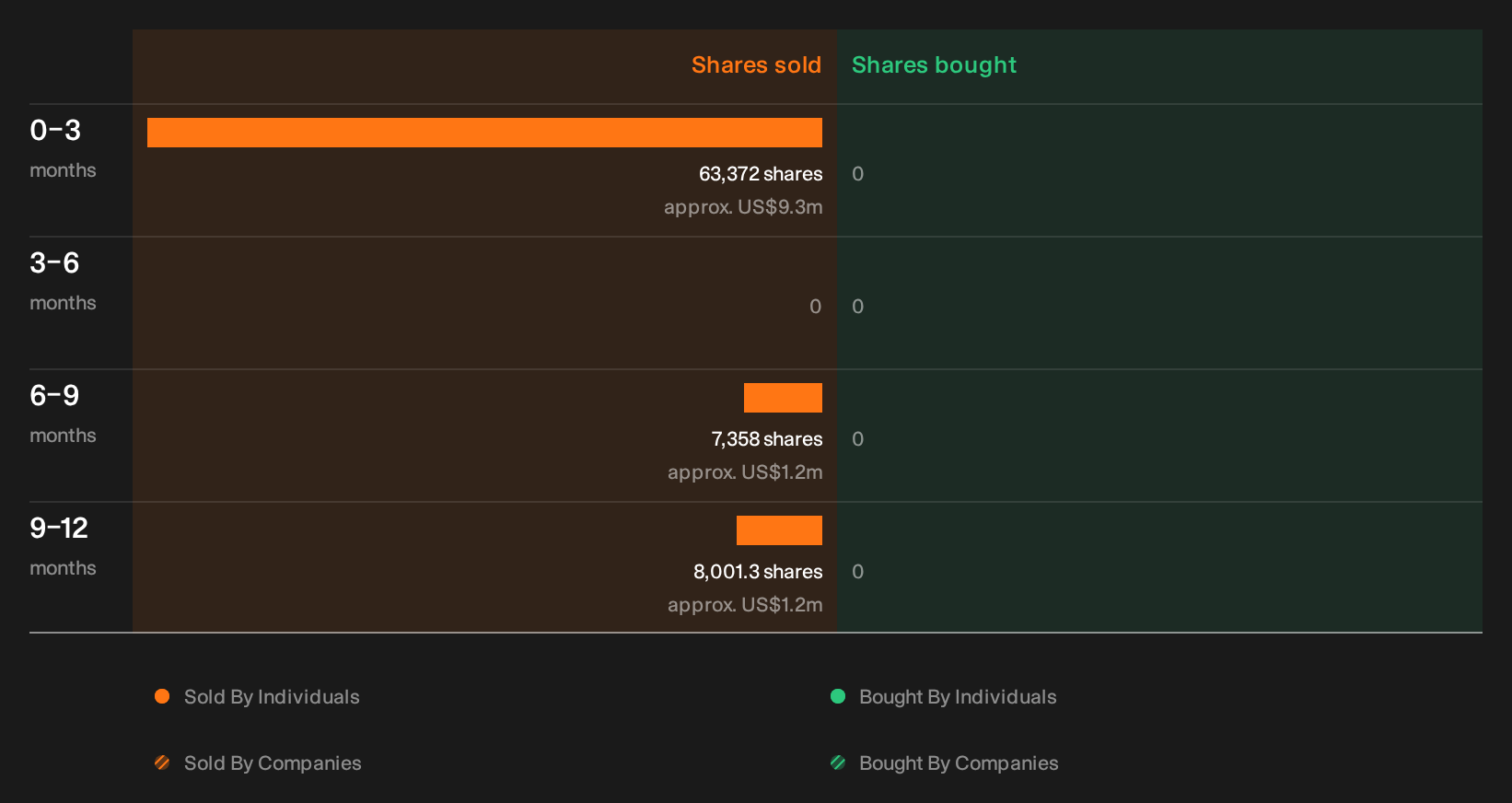
Valuation only tells part of the story for Procter & Gamble, and recent share dealings by people inside the business add another clue where the sellers, sizes and possible meaning are still for you to review. See the recent insider selling flagged for Procter & Gamble.
Have feedback on this article? Concerned about the content? Get in touch with us directly. Alternatively, email editorial-team@simplywallst.com