


EN
FedEx (FDX) Stock Trades Below Fair Value After A Strong Run
FedEx has delivered a powerful share price run over the past five years, and that kind of climb naturally raises a blunt question for you as an investor. Are the cash flows this business is expected to generate strong enough and reliable enough to make the current price tag look sensible?
- The stock has returned 73.4% over the past 5 years, which puts real weight on whether today’s valuation still lines up with the cash the company can produce over time.
- Recent moves to overhaul FedEx’s logistics network, focus on higher value services and reshape its portfolio can influence future profit margins, capital spending needs and ultimately the timing and durability of its cash flows.
- If you'd rather focus on earnings, this one's for you. See why FedEx's 16.9x P/E tells a different valuation story.
The issue now is whether FedEx’s present share price is adequately supported by the intrinsic value suggested by its projected cash flows.
If you want to test the same cash flow question you are asking of FedEx against a wider field, run the numbers across the 33 high quality undervalued stocks.
Is FedEx a Bargain on Cash Flow?
The Discounted Cash Flow (DCF) approach here asks what FedEx’s future cash generation is worth in today’s dollars. Latest twelve month free cash flow sits at about $4.4b, and the model then leans on a growing profile, with analyst and trend-based estimates lifting free cash flow toward roughly $6.0b by 2029 and nudging higher beyond that.
This pattern fits a mature shipper that still finds room for incremental gains rather than a high growth story, which matters when you compare those cash streams with a share price of $318.84. Because the recent Network 2.0 overhaul and logistics work for the U.S. Army both focus squarely on efficiency and higher value contracts, the cash flow path used in the DCF helps explain why projections put FedEx’s estimated intrinsic value substantially above the current share price. Find out what FedEx could be worth using our Discounted Cash Flow (DCF) estimate.
The FedEx Narrative: What Would Justify Today's Price?
FedEx Narratives on Simply Wall St pick up where the DCF question leaves off by spelling out which specific paths for revenue growth, profit margins and earnings would need to hold for the stock to be worth materially more or less than today’s price on the Community page. Where a single valuation ratio or cash flow model offers just one number, these scenarios map the set of future conditions that number relies on so you can watch how FedEx's real world performance lines up with it over time.
FedEx now carries two sharply different valuation stories, depending on how much faith you put in its cost cuts and data driven efficiency plans.
Bull case: 10% undervalued
This view comes from the analyst consensus Narrative on Simply Wall St, which leans heavily on FedEx's cost and automation work.
"FedEx's DRIVE and Network 2.0 programs continue to reshape the cost base, with billions of dollars already removed and a further US$2b of Network 2.0 savings targeted by the end of 2027…"
Discover why this Narrative puts FedEx at 10% undervalued.
Bear case: 33% overvalued
The bearish analyst Narrative on Simply Wall St stresses execution risks and rising input costs as key constraints.
"Although FedEx is investing in electric trucks and sustainable aviation fuel to limit exposure to oil markets, continued increases in crude and diesel prices tied to geopolitical risks could still outpace the protection from fuel surcharges and new assets…"
Explore why this Narrative puts FedEx at 33% overvalued.
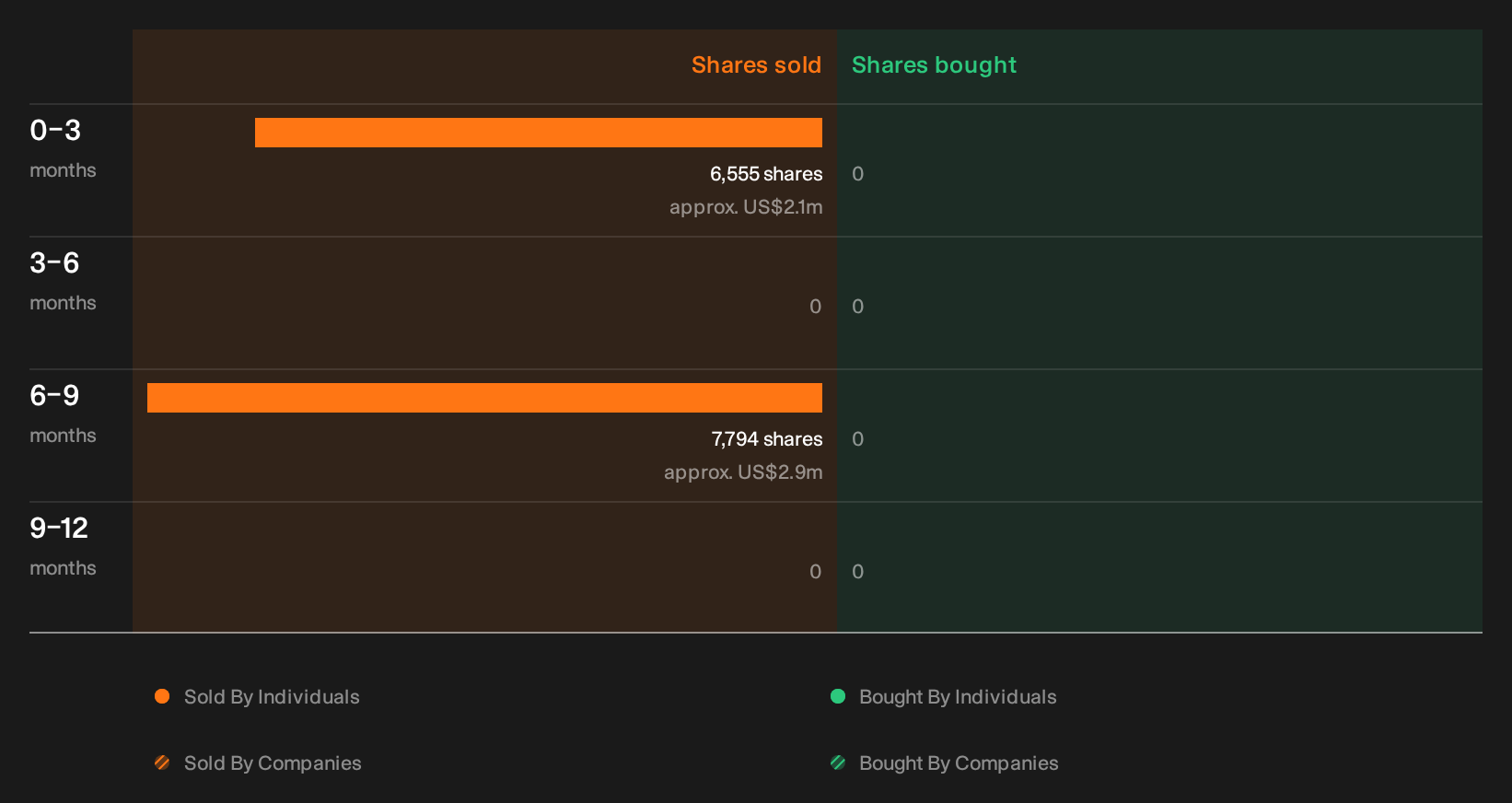
The FedEx story is not complete without watching who is selling
Price, profits and scenarios tell only part of the FedEx picture, because recent trades by people inside the business can hint at a different risk profile that you may want to inspect for yourself. See the recent insider selling flagged for FedEx.
Have feedback on this article? Concerned about the content? Get in touch with us directly. Alternatively, email editorial-team@simplywallst.com