


EN
3 Apartment REIT Stocks Built For Higher Mortgage Rates And Rising Rental Demand
Housing is getting pricier to own, mortgages sit above 7% and government finances are under pressure, so the balance of power between buyers and renters is shifting in plain sight. That creates potential openings and risks for residential real estate stocks tied to apartments and single family rentals. This article explains how those forces connect and then reviews three stocks exposed to this story.
The three residential real estate stocks covered below are only a starting sample, and the full screen on Simply Wall St surfaced 11 additional companies with equally compelling rental housing narratives that are not included here. To identify and analyze the widest set of US Housing Affordability and Rental Demand Beneficiaries, head straight into the US Housing Affordability and Rental Demand Beneficiaries screener.
UDR (UDR)
UDR is a multifamily REIT closely linked to the housing affordability story, since it owns, develops, and manages apartments that renters may turn to when mortgage costs make buying harder.
UDR generates its revenue primarily from same store apartment communities across U.S. regions, led by the West at about US$523 million, the Northeast at roughly US$340 million, and the Mid Atlantic at around US$327 million, with smaller contributions from the Southeast and Southwest. This gives the US$12.4b REIT broad exposure to rental demand.
The analyst consensus Narrative on Simply Wall St presents UDR as a data heavy way to gain exposure to the rental side of expensive U.S. housing, with its outlook closely linked to how households respond to longer periods of higher mortgage rates.
"UDR continues to lean on its data driven operating platform and Orion analytics to refine real time pricing, capital allocation and asset selection, which can support higher same store revenue and net operating income as the tools are applied more broadly across the portfolio."
The key question is how that toolkit holds up if one pressure point on rental affordability begins to weigh more heavily on renewal pricing and move outs.
If that pressure builds, read the full narrative for UDR to see how UDR’s data engine, capital choices and rent mix could react if affordability stress accelerates.

Camden Property Trust (CPT)
Camden Property Trust gives you direct exposure to the renting instead of buying theme. The analyst consensus Narrative on Simply Wall St frames it through the lens of Sunbelt apartment demand when homeownership costs keep many households on the sidelines.
"Sustained migration and population growth in Sunbelt markets such as Austin, Dallas, Tampa and Phoenix where Camden Property Trust is concentrated continue to underpin rental housing demand, which can support long-term revenue and NOI expansion if that demand is converted into higher effective rents and stable occupancy."
The pressure point to watch is how one persistent cost headwind ultimately filters through to Camden Property Trust’s rent growth and margin profile.
Camden Property Trust is a US multifamily REIT that owns, develops, and manages apartment communities aligned with renters priced out of homeownership. It generates about US$1.6b from residential properties and carries a roughly US$10.1b market value.
That margin story is only half the picture, and the full full narrative for Camden Property Trust explains how Camden Property Trust could potentially turn sustained Sunbelt demand into faster cash flows while navigating affordability pressure.

Mid-America Apartment Communities (MAA)
Mid-America Apartment Communities sits right in the housing affordability story, with a large Sunbelt apartment footprint that can catch renters who delay buying when mortgages stay above 7%, and the analyst consensus Narrative on Simply Wall St argues that operating trends in these markets are starting to shift in its favor.
"Absorption in Mid-America Apartment Communities' core markets is outpacing new deliveries, with first half units absorbed significantly exceeding new units delivered and market level occupancy stabilizing near historical averages, which supports firmer blended lease pricing and provides a path for revenue and same store NOI growth as remaining lease up inventory is worked through."
What investors really have to watch now is how one unresolved cost pressure interacts with that improving demand backdrop to shape future margins.
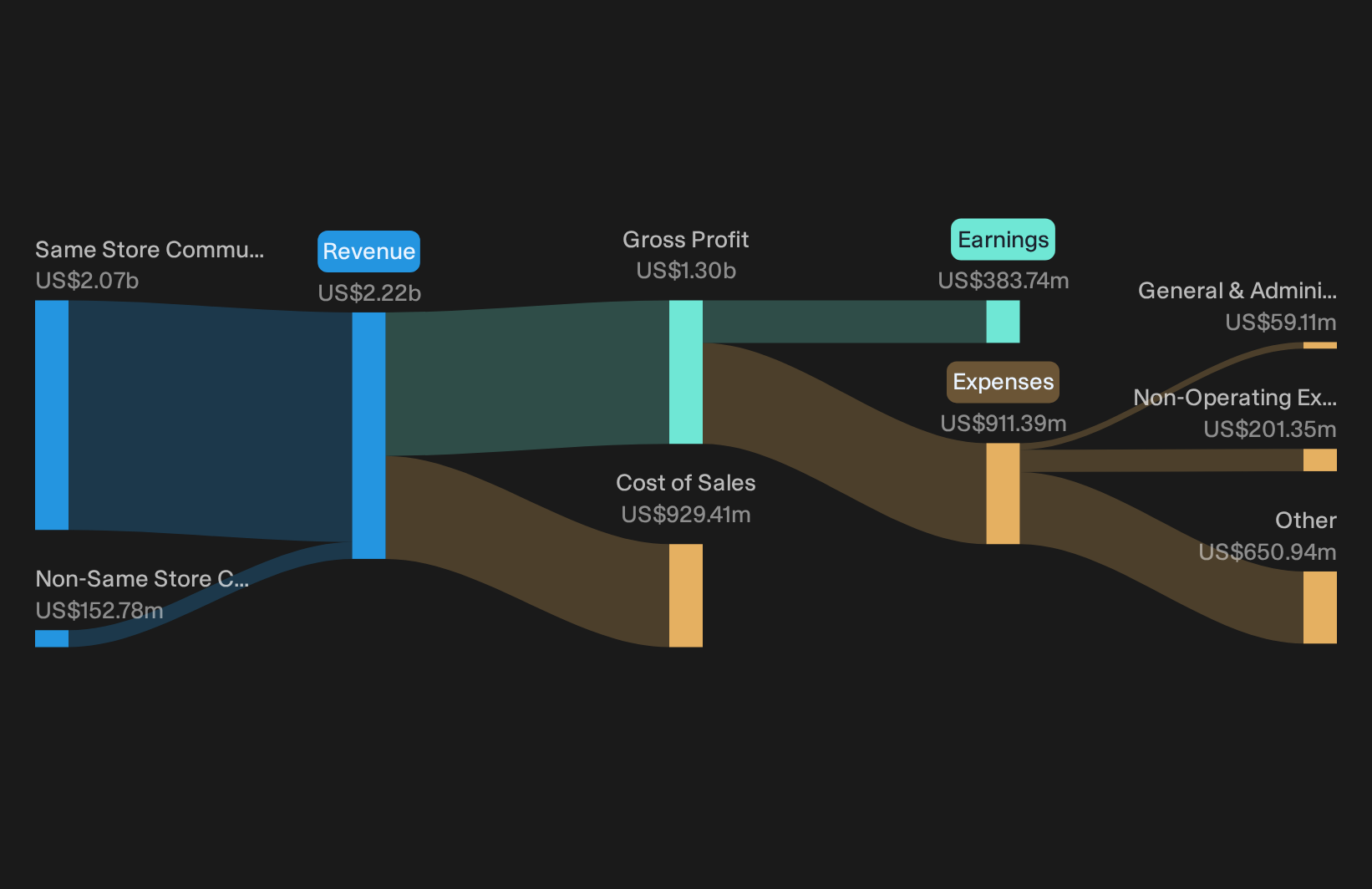
Mid-America Apartment Communities is a US$14.1b multifamily REIT focused on apartments across the Southeast, Southwest and Mid Atlantic, generating about US$2.1b from same store communities and roughly US$153 million from non same store assets, putting it squarely in the rental demand side of the affordability trade.
That margin puzzle is where things get interesting, and the full narrative for Mid-America Apartment Communities shows how Mid-America Apartment Communities could see earnings power accelerate or stall as affordability stress and absorption trends collide.
Seeking Alternatives Before The Crowd?
Fresh ideas move first, and slower money often gets caught chasing momentum after the best entry points start dropping out of reach. Scan these under the radar screens while it matters and get in early.
- Spot established cash generators that still trade like they are overlooked, then run through the 40 high quality undervalued stocks before the next breakout narrative starts flying.
- Ride the build out of next generation computing and infrastructure by scanning the curated 53 AI infrastructure stocks while many investors are still looking the other way.
- Track the potential torque in precious metals producers by checking the hand picked 34 elite gold producer stocks while sentiment is still catching up.
Have feedback on this article? Concerned about the content? Get in touch with us directly. Alternatively, email editorial-team@simplywallst.com