


EN
What Harbour Energy Doubters Missed
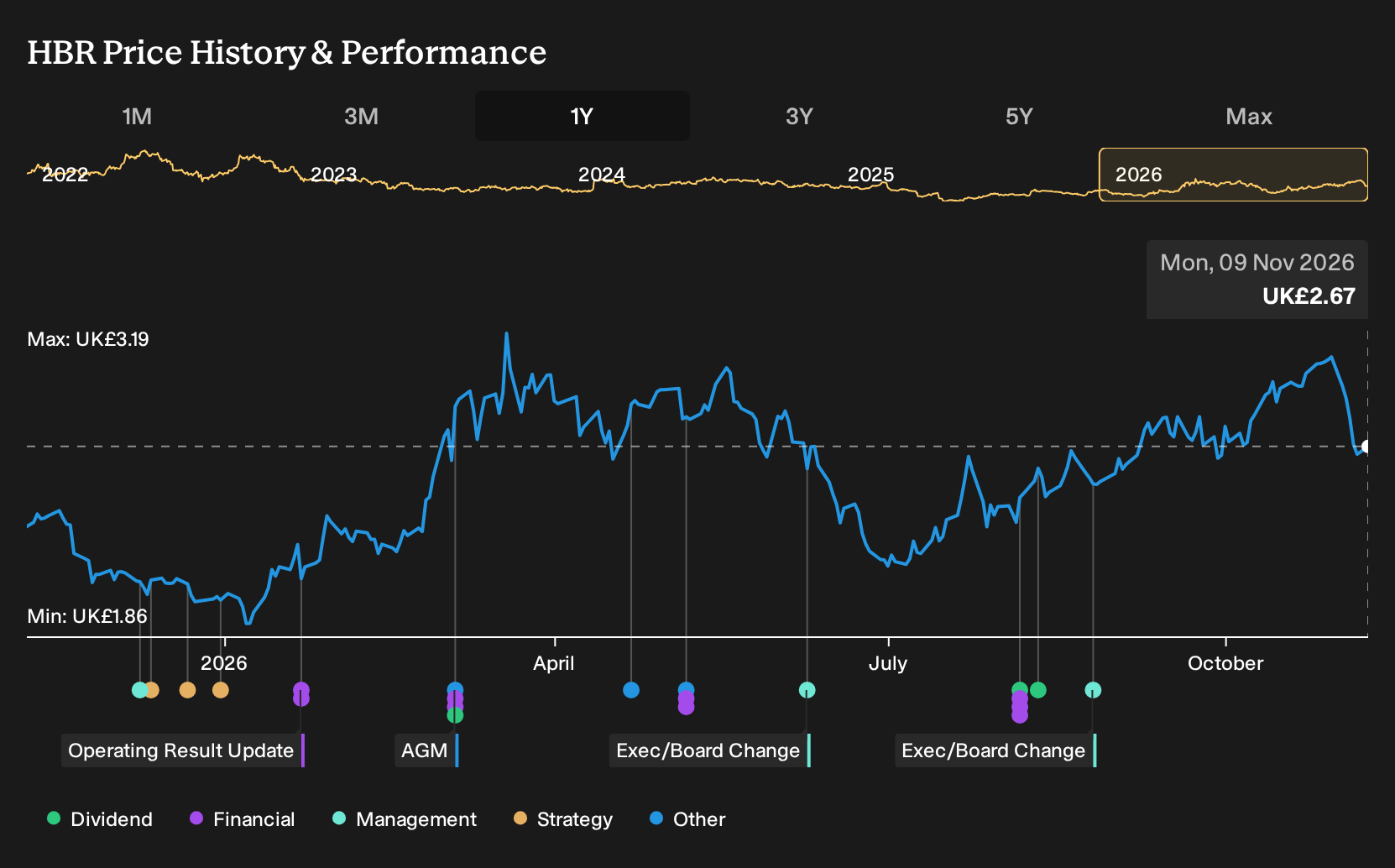
If Harbour Energy was on your watchlist rather than in your portfolio, the return may sting. For Harbour Energy shareholders, the return over the past year was 20.4%, including dividends. That outcome invites a question. What in late 2025, when analysts were weighing a larger international footprint, a projected swing from losses to profits and a higher future P/E, could have helped you judge whether global scale really would translate into wider margins and a different risk profile?
Narratives are how investors here put a case on the record, with explicit assumptions about revenue, margins and the multiple. Those assumptions imply an estimated Fair Value.
Harbour Energy has already moved. See which of 16 high quality undervalued stocks still trade below our estimates.
The Two Harbour Energy Stories Investors Had To Weigh
The shares cost £2.29 at the start of the period, and Harbour Energy sat between two very different but plausible stories about where the business could head next.
On the optimistic side, one narrative saw the enlarged international group using scale to widen margins, with a Fair Value of £2.83, 23% above the start price. That view leaned on assumptions such as revenue declining 7.5% a year while profit margins moved from a loss to 3.6%, supported by integration of Wintershall Dea and cost cuts.
The more cautious story carried a Fair Value of £1.99, 13% below the start price, and focused on long term pressure from falling oil demand and UK taxes. That bear case highlighted risks around aging North Sea fields, possible permanent windfall levies, and the chance that decarbonisation and regulation would steadily erode Harbour Energy’s earnings base.
What The Results Changed For Harbour Energy
The clearest new fact for Harbour Energy was the H1 2026 report. Revenue reached US$6,408m and net income excluding extra items moved to a profit of US$388m, with net margin improving from a loss of 3.9% in H1 2025 to a positive 6.1%. That shift toward profitability supported the view that wider margins could be associated with greater global scale.
The lesson is simple. When a story hinges on margin recovery, track net income and net margin, not just revenue. Then compare those figures with the original profit and P/E assumptions to see whether the thesis is actually being tested or still just hoped for.
What Harbour Energy's 20% Gain Now Prices In
Harbour Energy shares now trade at £2.67 after a 20.4% gain over the past year. The bullish analyst narrative on Simply Wall St places its fair value above that level and focuses on portfolio reshaping, tax mix and LNG rather than simple volume growth.
In that view, a buyer today is effectively judging whether Harbour Energy can execute its multi country projects and capital return framework so that free cash flow from a more diversified, lower tax asset base is stronger than the current price implies.
"Bullish analysts expect Harbour Energy to keep reshaping its portfolio toward lower cost, lower tax barrels while using growing free cash flow to build a larger, globally diversified independent oil and gas business. The main thing that has to go right is Harbour Energy successfully executing its multi country project pipeline and capital return framework while managing fiscal and operational risks, especially in the UK and newer regions like Mexico and Argentina."
That disagreement has a full argument behind it. → Uncover the higher Fair Value this Narrative argues for
Where Harbour Energy Points Next
Harbour Energy highlights how project length and tax terms can reshape outcomes. Nearby, another producer leans on a different toolkit.
This other group is betting on very large gas export facilities. Big liquefaction projects aim to turn long contracts into steadier cash flows.
It is also pushing into automated drilling across key shale basins. The goal is lower well costs and more consistent output from complex fields.
A newer push comes from selling carbon capture services to heavy industry. That tilts part of the business toward fee income instead of commodity exposure.
If these levers align, investors watching Harbour Energy could compare how scale and technology reshape long term cash flow mix.
The case is on the record, with the assumptions it rests on. → See the Narrative that values this company 24% above its price
Have feedback on this article? Concerned about the content? Get in touch with us directly. Alternatively, email editorial-team@simplywallst.com