


EN
3 Stocks for Higher Treasury Yields and Money Market Fund Demand
Rising Treasury yields and louder worries about U.S. debt are reshaping how investors think about risk, duration and even where to park spare cash. Short-term rates now pull more attention toward money market and ultra-short products, while long-duration growth stories feel the strain. This article walks through three stocks exposed to that news backdrop and shows how each could either benefit from, or be challenged by, this new rate reality.
The three stocks covered below are just a first cut, and the full screen surfaced 15 more US-listed asset managers and financial firms with equally compelling money market and ultra-short duration fund stories that are not discussed here. To go straight to the wider opportunity set, analyze, compare and identify your highest conviction ideas using the US Money Market and Ultra-Short Duration Cash-Management Funds screener.
Federated Hermes (FHI)
Federated Hermes is a pure-play asset manager built around fee income. This gives it a direct link to the screener’s focus on money market and ultra-short duration cash-management funds as investors search for places to park cash while Treasury yields stay elevated.
Federated Hermes runs equity, fixed income, money market and balanced strategies worldwide, earning about US$2.0b from its Investment Management Business and carrying a market value of roughly US$4.5b. That concentration in fee-based asset management makes its money market and cash-management franchise central to the story.
"The company's continued reliance on money market funds for a substantial share of AUM and revenue remains a risk, since recent slippage in money market fund market share and cash flow volatility could translate into weaker money fund related fees, softer total revenue and less support for steady earnings. Ongoing development of digital and tokenized money market products, including the GENIUS compliant digital treasury fund and on chain share class pilots with large financial institutions, opens new distribution channels that can sustain money market related fees and earnings over time."
What happens if a single, quietly growing source of demand tilts toward one side of that trade off will matter a lot for future margins.
That trade off sits at the center of the full narrative for Federated Hermes, which maps how cash demand, digital products and fee mix could be quietly reshaping Federated Hermes' earnings engine.
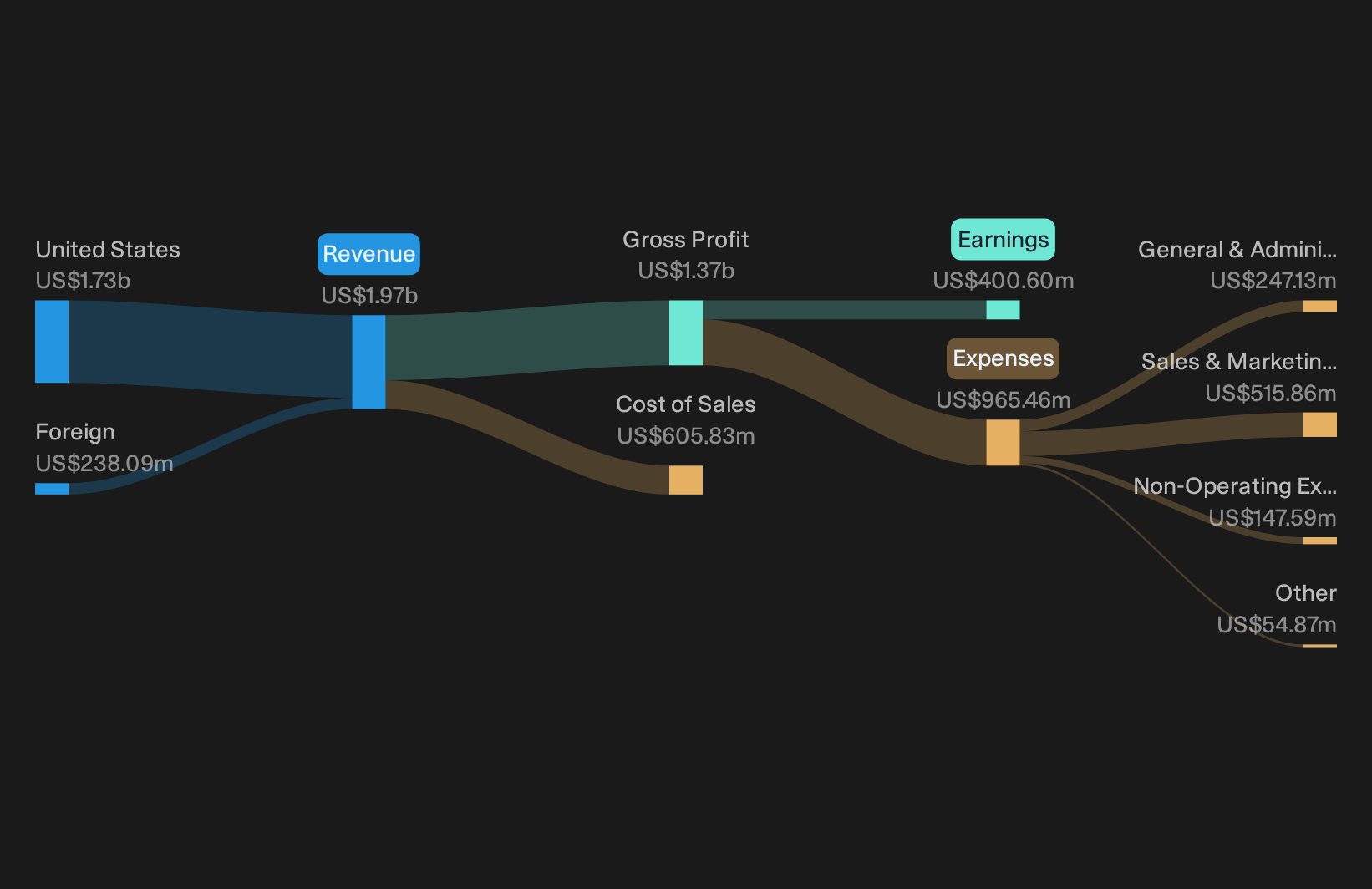
Bank of New York Mellon (BNY)
Bank of New York Mellon sits right in the plumbing of cash markets, handling custody, payments and liquidity services that underpin money market and ultra short cash-management funds when short term yields move around.
BNY Mellon runs a broad financial services platform where Securities Services generate about US$10.9b, Market and Wealth Services add roughly US$7.6b, Investment and Wealth Management contribute around US$3.4b, and the group carries a market value of about US$99.4b.
"Growing client appetite for richer data, reporting and regulatory support is contributing to 14 consecutive quarters of sales growth and a more than 60% increase in clients using three or more business lines."
What happens if one quiet shift in how large institutions park and move their cash changes that multi line momentum will be crucial for investors.
If that shift gathers pace, the full narrative for Bank of New York Mellon shows how the plumbing of cash markets at Bank of New York Mellon could turn quiet flows into accelerating fee power.

MSCI (MSCI)
MSCI plugs into this cash-management theme from the side, supplying the indexes and portfolio analytics that many money market and ultra-short duration funds quietly run on. This makes its business model worth a closer look when you think about where flows may settle.
MSCI earns about US$2.0b from Index, US$753m from Analytics, US$368m from Sustainability and Climate and US$293m from All Other Private Assets. These revenues are built on data, tools and benchmarks used across portfolios, and the stock carries a market value of roughly US$45.8b.
"Much of the revenue is subscription or recurring in nature. That gives MSCI considerably more predictable economics than a traditional financial company."
It is worth considering what might happen if a quiet shift in how institutions price portfolio-level risk changes the demand and pricing power behind those tools.
That shift in risk pricing is exactly what the full narrative for MSCI unpacks, showing where MSCI’s recurring engine could accelerate or stall as cash behavior evolves.

Curious About Alternative Opportunities?
Fresh ideas move first. Breakout stories gain momentum while they are still under the radar for now. Do not get caught watching from the sidelines; get in early.
- Target reliable income streams by scanning 7 dividend fortresses built for investors who want payouts that can keep working even when sentiment cools.
- Charge toward future tech themes with 53 AI infrastructure stocks backing the data centers, chips and gear that keep AI demand flying while it matters.
- Hunt early-stage upside using 9 elite penny stocks with strong financials that filter for resilient balance sheets so you are not just chasing low prices dropping for a reason.
Have feedback on this article? Concerned about the content? Get in touch with us directly. Alternatively, email editorial-team@simplywallst.com