


EN
Trump's $1.5 trillion defense budget experienced a 44% increase to stop the war and military stock growth expectations may be discounted
The Zhitong Finance App learned that the prospects for the $1.5 trillion defense budget proposed by President Trump are becoming bleak. After the Democratic Party won control of both houses of the Senate and the House of Representatives in the midterm elections, opposition within the National Assembly to this budget, which involved a 44% increase in spending in the context of the unpopular Iran war, increased markedly.
Military stock growth expectations may be discounted
For investors, shrinking budgets may dampen growth expectations for Pentagon suppliers, particularly those that are advancing major new weapons projects. In fact, Lockheed Martin (LMT.US) and Northrop Grumman (NOC.US) shares have declined during election week as expectations of a surge in military spending have weakened.
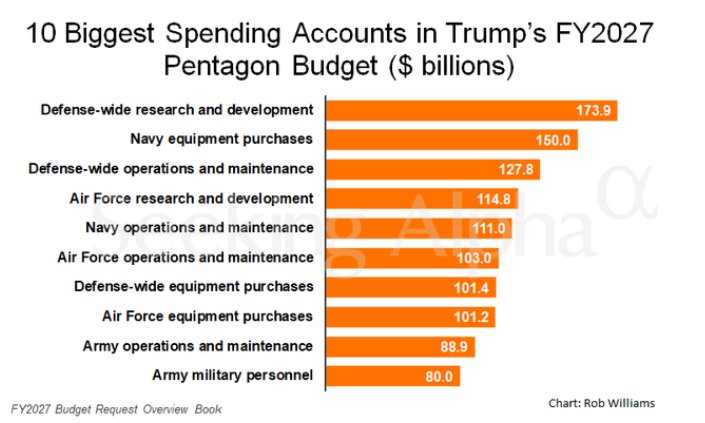
According to reports from people familiar with the matter, the Democratic Party may support about 1 trillion US dollars in defense funding. Adam Smith, the incoming chairman of the House Armed Services Committee, has publicly called for a more restrained budget to protect domestic livelihood projects.
Congressional resistance directly threatens Trump's “Golden Dome” (Golden Dome) missile defense program and the proposed “Trump class” battleship project. Defense Secretary Pete Hegseth insisted that at a time when autonomous weapons are reshaping the shape of warfare, higher costs are essential to modernize the military.
Procedural Obstacles: The December 11 Deadline and the Lame Duck Dilemma
Procedurally, Congress must process the 2027 funding bill before the temporary funding expires on December 11. Some Democrats prefer another short-term extension so that the new majority party, which takes office in January next year, can dominate the enactment of spending legislation.
It may not be easy for the Republican Party to pass a larger budget during the Lame Duck Conference. Among the proposals, $350 billion is to be handled through separate partisan legislation, and disputes over funding for the Iran war and the impeachment motion against Hegseth further complicated the negotiations. For military contractors, the size and timing of the funding are undecided, and uncertainty is still accumulating.