


EN
3 Stocks Riding The Data Center Power Shift After Bloom Energy News
Fuel cells and on-site clean power moved from niche idea to front-page story after Bloom Energy grabbed a Barclays upgrade, a big California project announcement, and record Q3 2026 numbers. That kind of attention can shift how investors think about power for data centers and heavy industry almost overnight, creating both enthusiasm and risk. This article breaks down three stocks exposed to the same news pulse so you can decide which may deserve a closer look.
The stocks covered below are a small sample, and the full screen surfaced 14 more U.S. on-site clean power companies with equally compelling stories for data center and industrial power buyers that are not featured here. To identify and analyze the highest conviction ideas from that wider group, head straight into the On-Site Clean Power for Data Centers and Industrial Users screener.
Capstone Energy+ (CEPL)
Capstone Energy+ is one of the purest plays in this screener, wiring its business directly into on-site power, microgrids, and energy-as-a-service for data centers and heavy users, which sets up a clear link between its technology roadmap and potential demand.
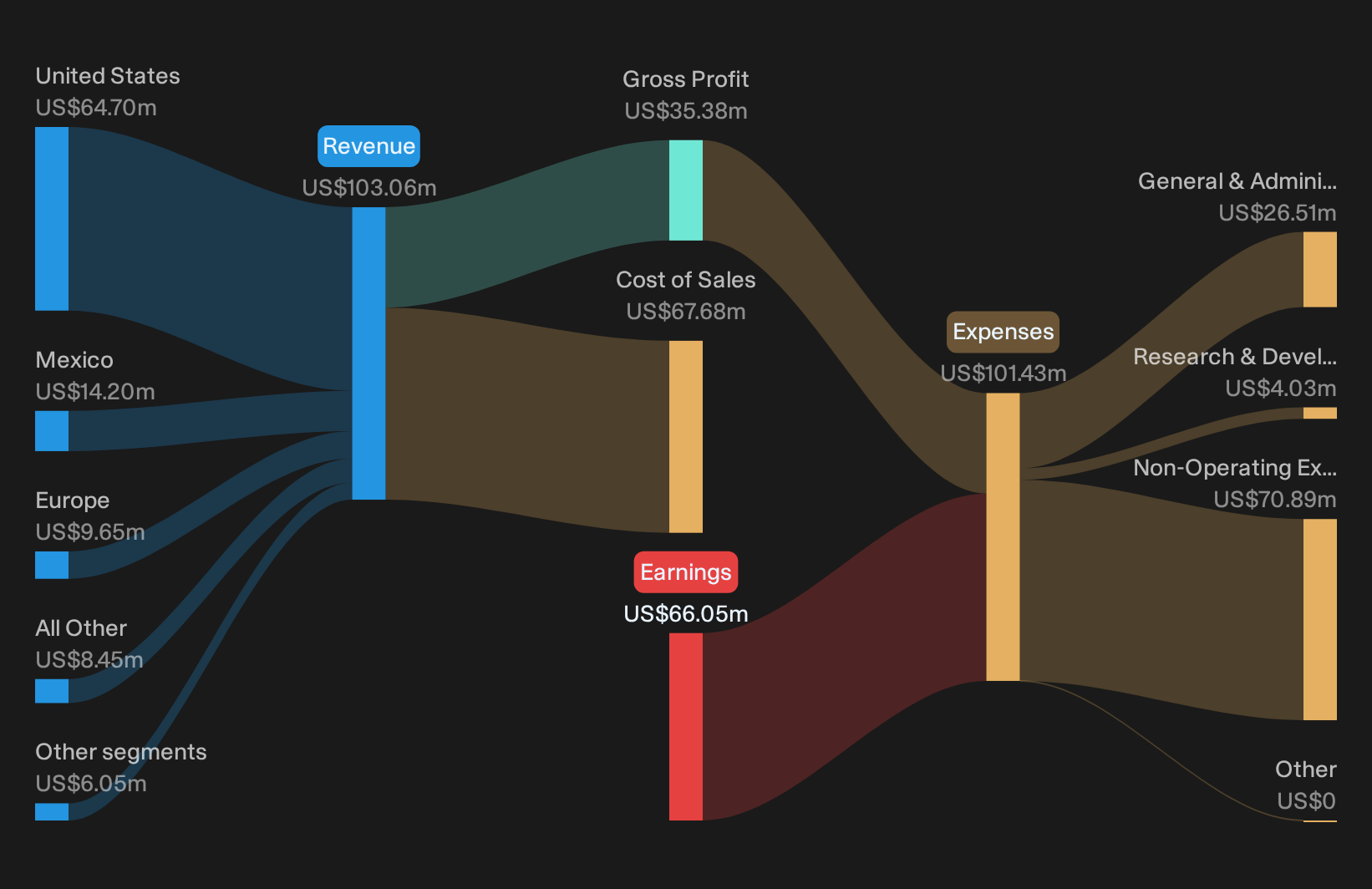
Capstone Energy+ generates about $103 million from electric equipment tied to distributed generation and microgrid solutions, and has a market cap of roughly $96 million. That puts a relatively small on-site power specialist in front of a very power hungry set of customers.
Accelerating demand for resilient on site power at AI data centers and hyperscale computing facilities, enabled by Capstone's 800 volt DC capability and microgrid reference designs, positions the company to pursue higher value projects and expand product revenue and total earnings.
What happens to margins if one largely unseen pressure on how these multi year projects are financed and priced starts to shift?
That pricing pressure is the crux of the story, and the full narrative for Capstone Energy+ unpacks how Capstone Energy+ could turn shifting project economics into leverage rather than drag.
EMCOR Group (EME)
EMCOR Group gives this screener a different angle, acting as the electrical and mechanical contractor that actually wires on-site clean power and microgrid hardware into working data centers and industrial facilities rather than manufacturing the equipment itself.
Expanding AI and cloud data center construction pipelines, reflected in very strong network and communications revenue growth and larger mechanical and electrical content per site, are cited as factors that could continue feeding EMCOR Group’s project funnel and supporting revenue and earnings.
The real swing factor is how one quiet shift in contract mix and execution discipline shapes future margins on those complex sites.
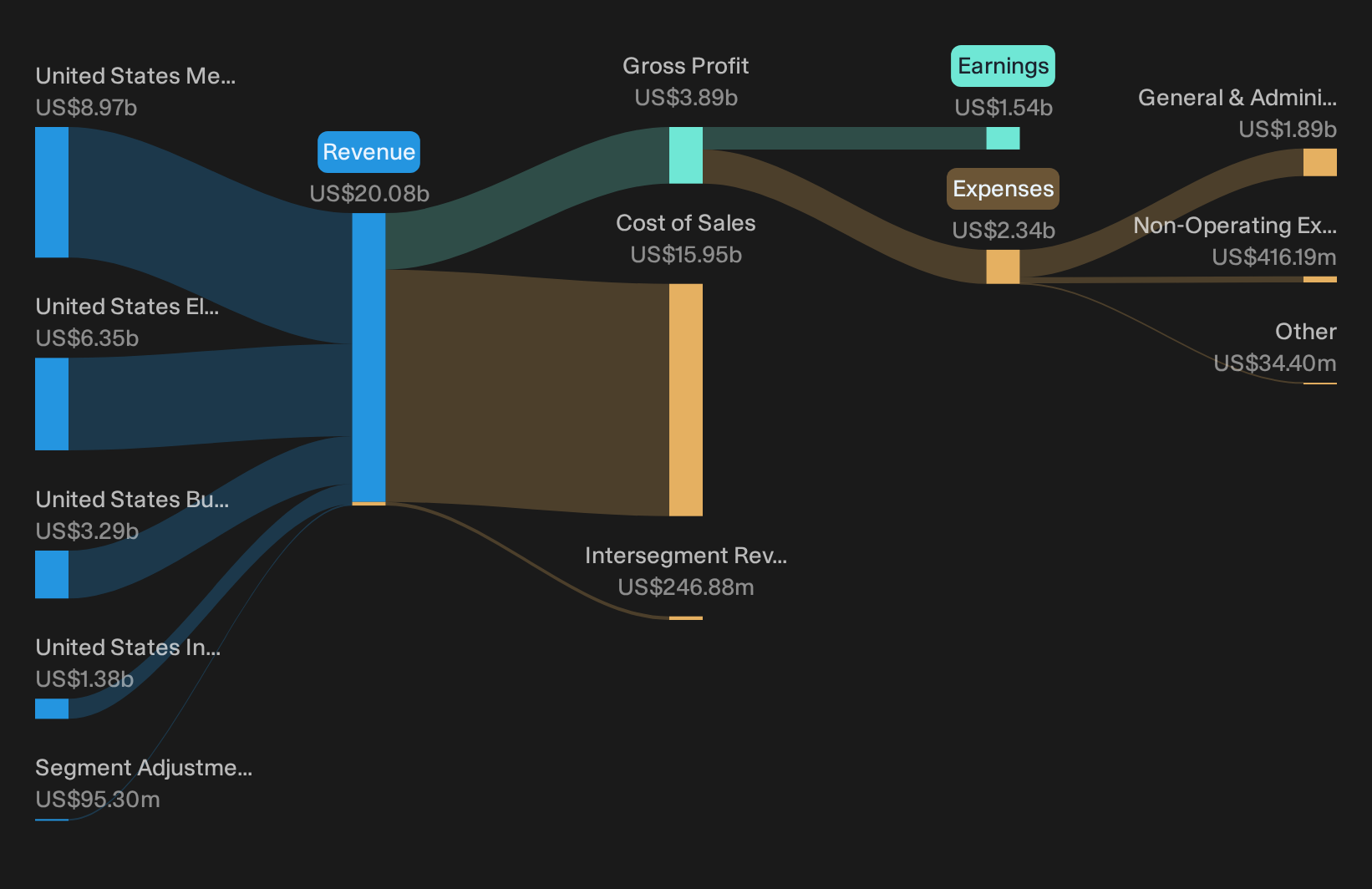
EMCOR Group runs a broad contracting and services platform that designs, installs, and maintains electrical, mechanical, and facilities systems, including on-site power and microgrid integrations for data centers and heavy industry. Most of its roughly US$20 billion revenue base is concentrated in US mechanical construction and facilities services at about US$9.0 billion, US electrical construction and facilities services at roughly US$6.3 billion, and US building and industrial services adding around US$3.3 billion and US$1.4 billion respectively, while the stock’s market cap sits near US$26.6 billion.
That quiet contract shift is the real story, and the full narrative for EMCOR Group breaks down how EMCOR Group’s project mix could be quietly decoupling risk from future earnings power.
Hyliion Holdings (HYLN)
Hyliion Holdings leans directly into the screener theme, using its KARNO Power Module to target on site and distributed generation needs that can serve energy hungry facilities while keeping flexibility across fuels and end markets.
Hyliion Holdings currently records about US$9 million in Auto Parts and Accessories revenue, all in the United States, and carries a market cap near US$534 million.
Rising demand for reliable on site power at AI driven data centers, combined with the industry shift toward 800 volt DC architectures that match KARNO’s native output, may allow Hyliion to pursue deployments that expand product revenue and affect operating leverage.
The real tension for Hyliion now is how one capital and funding decision shapes the balance between rapid deployment and long term margins.
That funding choice is the hinge, and the full narrative for Hyliion Holdings shows how Hyliion Holdings could turn capital intensity into accelerating optionality while keeping risk on a tighter leash.

Seeking Fresh Alternatives Before They Fly
Some of the sharpest breakout stories start quietly, then momentum builds and prices move before most investors even notice. Scan these under the radar ideas while it matters and consider them before they become widely followed.
- Target cash rich companies where potential returns may come from both quality and mispricing by scanning the 38 high quality undervalued stocks before the crowd catches up.
- Hunt for growing income streams that may help keep portfolios steadier when markets jolt by running through the 7 dividend fortresses while yields remain elevated.
- Zero in on businesses built for durability so short term noise does not dominate results by reviewing the 31 resilient stocks with low risk scores before momentum carries them further.
Have feedback on this article? Concerned about the content? Get in touch with us directly. Alternatively, email editorial-team@simplywallst.com