


EN
3 Hydrogen Stocks Trading At Or Under 23x P E
High oil prices are already curbing demand and reports now flag signs of a supply glut. When fossil fuel markets swing like this, attention often shifts to alternatives that do not rely on the same commodity cycle, including hydrogen fuel cell technology across transport, industrial use and backup power. This article walks through three hydrogen fuel cell stocks from the US-focused screener that investors may want to keep on their radar.
The hydrogen fuel cell stocks covered below are only a starting sample, and the full screen surfaced 5 more companies with equally detailed stories that are not included here. To identify potential front-runners across developers, components and system providers, go straight to the Hydrogen Fuel Cell Technology screener.
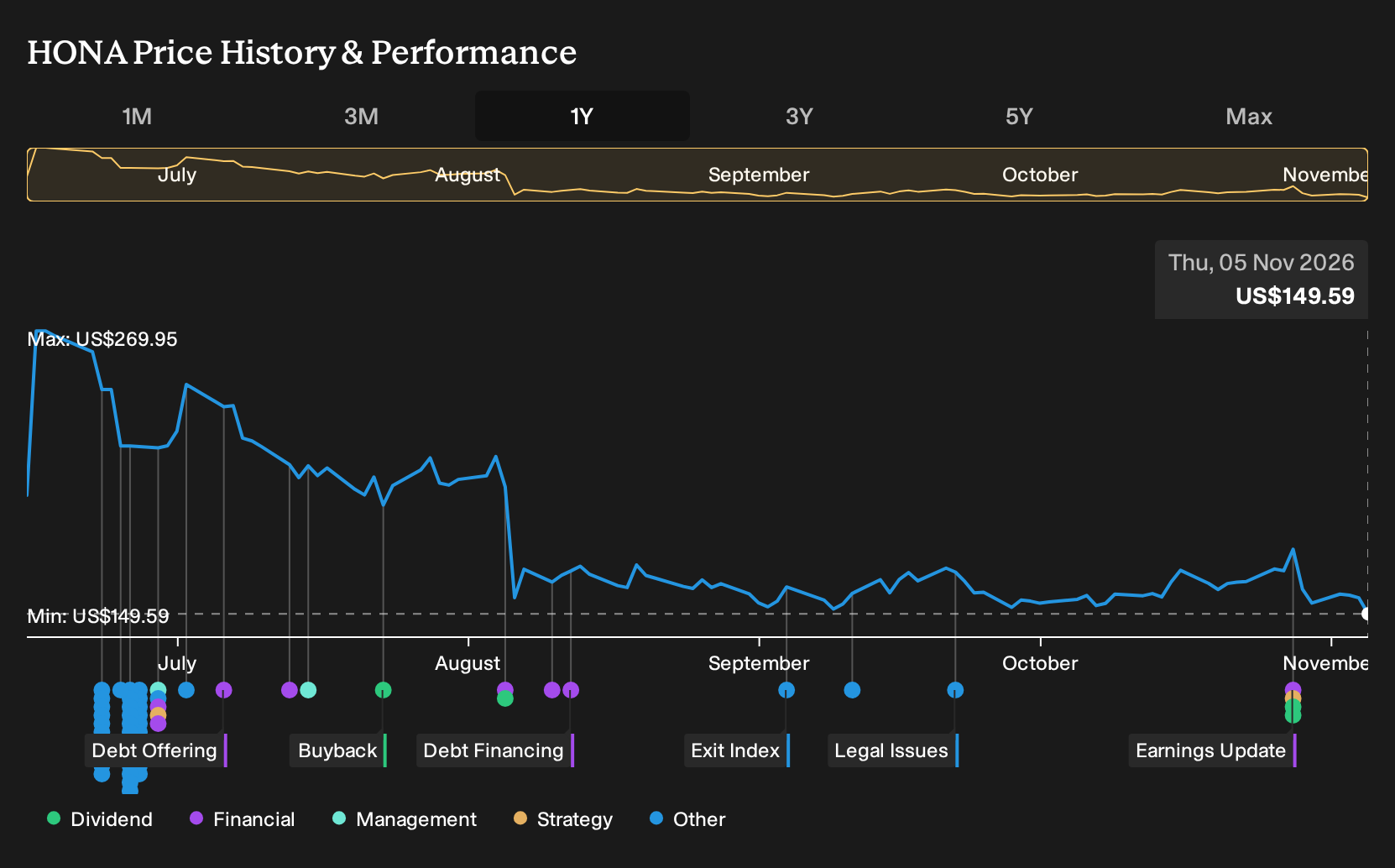
Honeywell Aerospace (HONA)
Honeywell Aerospace develops avionics, propulsion and control hardware for civil and defense aircraft. Its Engines & Power Systems division supplies auxiliary power units, electric power systems and fuel cells that link it directly to hydrogen aviation. Revenue is split across Electronic Solutions at about US$7.2b, Engines & Power Systems at roughly US$5.6b and Control Systems near US$5.2b, with the group valued around US$49.6b.
Hydrogen investors look at Honeywell Aerospace because its Engines & Power Systems arm already sells onboard power units and fuel cells that can support cleaner aviation and ground power. Strong order backlogs and new capacity projects may be influential here, depending on how one unseen pressure plays out.
How that pressure interacts with Honeywell Aerospace’s order book sits at the heart of the 4 key rewards and 3 important warning signs (2 are major!) for this hydrogen exposed aviation player.
Cummins (CMI)
Cummins is a century old power solutions specialist that builds engines, generators, components and increasingly electrified systems. Its Power Systems arm is where hydrogen fuel cell modules and powertrains sit, giving the fuel cell theme exposure inside a diversified business valued around US$65.0b.
Cummins brings hydrogen into very practical settings. The group already supplies powertrains and backup systems across trucks, industry and data centers, and its move into fuel cells offers a cleaner twist on those familiar products without relying on a pure play model.
"The introduction of the HELM engine platforms with options for diesel, natural gas and hydrogen fuels can capture new markets and improve revenue and margins by offering flexible solutions for diverse customer needs, and Cummins now expects the 2027 on highway rollout to support margin positive pricing on new emissions compliant engines."
What happens to Cummins’ earnings profile if that flexibility in fuel choice intersects with stronger than expected heavy duty and data center demand?
If that fuel flexibility is what catches your eye, read the full narrative for Cummins to see how Cummins’ hydrogen bets could reshape earnings power and market perception.

PG&E (PCG)
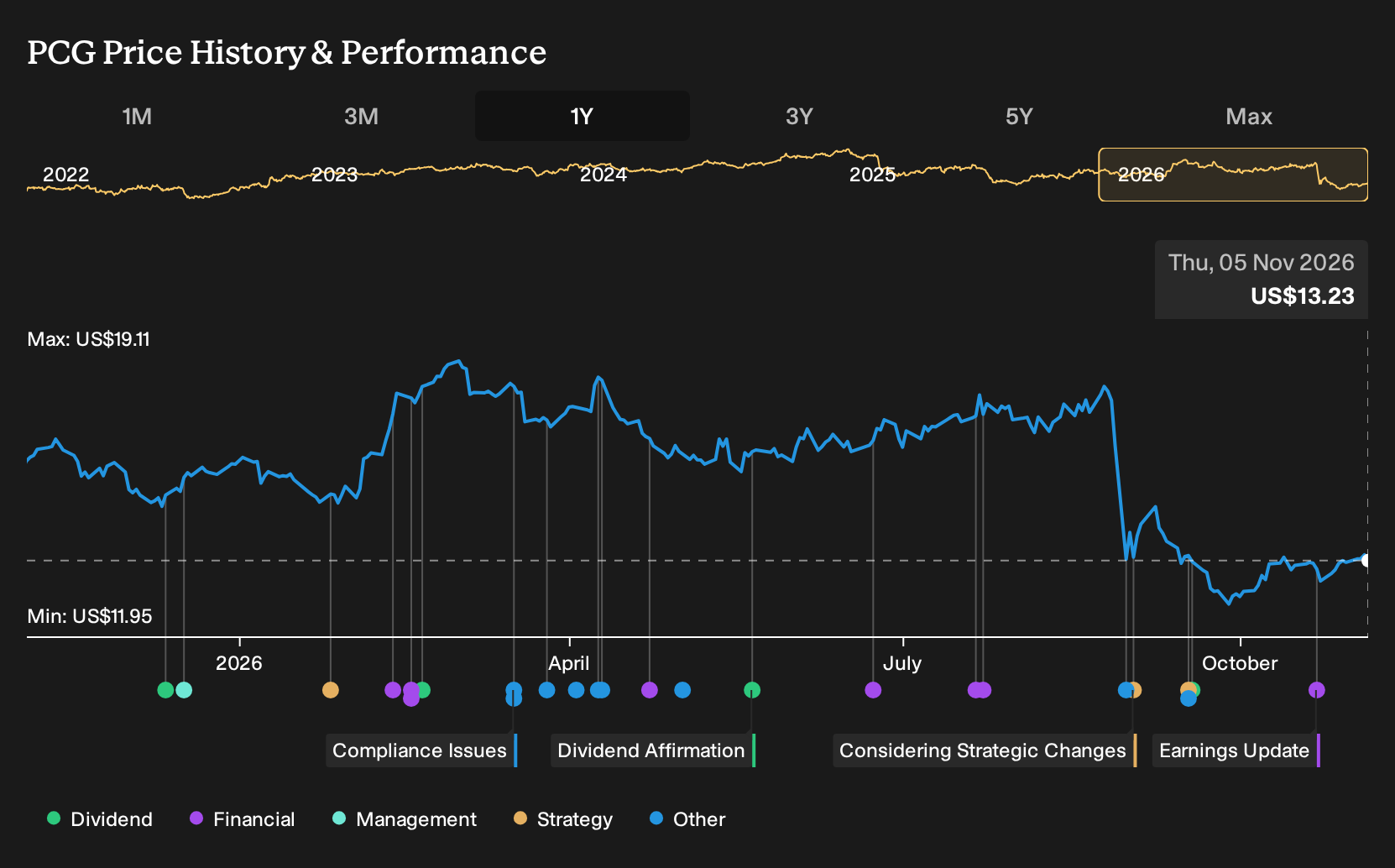
PG&E runs one of the largest electric and gas networks in the United States and is using that regulated footprint to trial hydrogen blending and fuel-cell-powered microgrids at utility scale. Virtually all of its US$25.8b in revenue comes from selling and delivering power and gas in California, and the business is valued at roughly US$29.5b.
PG&E brings a different angle to hydrogen fuel cell technology, using its grid and gas system as a proving ground for pilots that test how fuel-cell-backed microgrids and hydrogen blends might work at scale.
"Expanding opportunities for capital investment in grid modernization, wildfire mitigation, and resilience remain in focus, with PG&E reiterating a US$73b capital plan through 2030 and advancing large undergrounding programs and grid-edge sensing deployments. This supports future regulated earnings and rate base growth even after the announced US$2b reduction to 2027 capital spending."
What happens to PG&E’s future margins if one unresolved policy decision changes how much of that long term spending actually earns a return?
That policy swing risk is exactly what the full narrative for PG&E unpacks, showing where PG&E’s capital plan could quietly accelerate earnings power.
Seeking Alternatives Before Everyone Else?
Fresh ideas move first when momentum builds and early interest starts flying into under the radar stocks. Screen targeted lists before the crowd catches on and act now.
- Spot resilient, cash rich companies built to handle shocks by scanning the list of solid balance sheet and fundamentals (24 results) while valuations and expectations still look reasonable.
- Chase yield with discipline by checking the 6 dividend fortresses before income hunters compress spreads and the strongest payouts risk getting repriced.
- Track early AI momentum in practical use cases by reviewing the 40 profitable AI stocks that aren't just burning cash while these cash generative operators remain under the radar for now.
Have feedback on this article? Concerned about the content? Get in touch with us directly. Alternatively, email editorial-team@simplywallst.com