


EN
ZeroStack's Market Cap Drops To US$59m Leaving Insiders With Losses
The recent price decline of 12% in ZeroStack Corp.'s (NASDAQ:ZSTK) stock may have disappointed insiders who bought US$57.8m worth of shares at an average price of US$6.27 in the past 12 months. This is not good as insiders invest based on expectations that their money will appreciate over time. However, as a result of recent losses, their original investment is now worth only US$23.7m.
Although we don't think shareholders should simply follow insider transactions, we do think it is perfectly logical to keep tabs on what insiders are doing.
ZeroStack Insider Transactions Over The Last Year
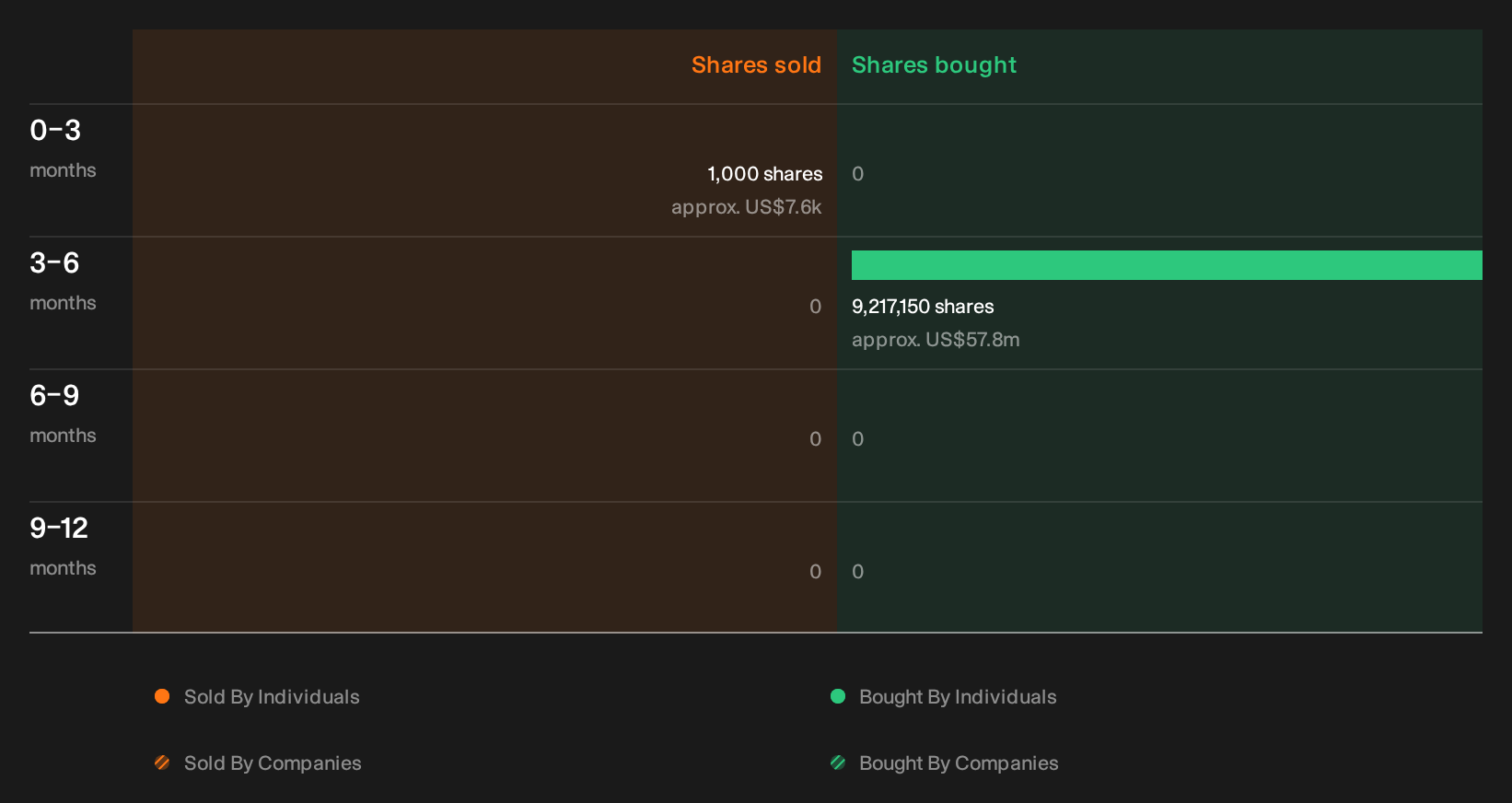
In the last twelve months, the biggest single purchase by an insider was when Executive Chairman Michael Heinrich bought US$54m worth of shares at a price of US$11.79 per share. So it's clear an insider wanted to buy, even at a higher price than the current share price (being US$2.57). Their view may have changed since then, but at least it shows they felt optimistic at the time. We always take careful note of the price insiders pay when purchasing shares. Generally speaking, it catches our eye when an insider has purchased shares at above current prices, as it suggests they believed the shares were worth buying, even at a higher price. Michael Heinrich was the only individual insider to buy shares in the last twelve months.
Michael Heinrich bought a total of 9.22m shares over the year at an average price of US$6.27. You can see a visual depiction of insider transactions (by companies and individuals) over the last 12 months, below. If you click on the chart, you can see all the individual transactions, including the share price, individual, and the date!
View our latest analysis for ZeroStack
There are plenty of other companies that have insiders buying up shares. You probably do not want to miss this free list of undervalued small cap companies that insiders are buying.
Are ZeroStack Insiders Buying Or Selling?
Over the last three months, we've seen a bit of insider selling at ZeroStack. President Rudy Rong sold just US$7.6k worth of shares in that time. Neither the lack of buying nor the presence of selling is heartening. But the amount sold isn't enough for us to put any weight on it.
Does ZeroStack Boast High Insider Ownership?
Looking at the total insider shareholdings in a company can help to inform your view of whether they are well aligned with common shareholders. Usually, the higher the insider ownership, the more likely it is that insiders will be incentivised to build the company for the long term. It's great to see that ZeroStack insiders own 48% of the company, worth about US$29m. Most shareholders would be happy to see this sort of insider ownership, since it suggests that management incentives are well aligned with other shareholders.
So What Does This Data Suggest About ZeroStack Insiders?
Our data shows a little more insider selling, but no insider buying, in the last three months. However, the sales are not big enough to concern us at all. On a brighter note, the transactions over the last year are encouraging. It would be great to see more insider buying, but overall it seems like ZeroStack insiders are reasonably well aligned (owning significant chunk of the company's shares) and optimistic for the future. In addition to knowing about insider transactions going on, it's beneficial to identify the risks facing ZeroStack. At Simply Wall St, we've found that ZeroStack has 5 warning signs (4 shouldn't be ignored!) that deserve your attention before going any further with your analysis.
Of course, you might find a fantastic investment by looking elsewhere. So take a peek at this free list of interesting companies.
For the purposes of this article, insiders are those individuals who report their transactions to the relevant regulatory body. We currently account for open market transactions and private dispositions of direct interests only, but not derivative transactions or indirect interests.
Have feedback on this article? Concerned about the content? Get in touch with us directly. Alternatively, email editorial-team (at) simplywallst.com.