


EN
Does Flexible Course Partnership Change The Bull Case For Strategic Education (STRA)?
- Sophia Learning, a subsidiary of Strategic Education, previously announced a partnership with Rocky Mountain College of Art + Design that gives eligible students access to flexible, ACE-recommended general education courses that can count toward their RMCAD degrees.
- The collaboration reinforces Strategic Education's focus on education technology services and fee-based course pathways, which is closely aligned with its broader corporate and employer-focused enrollment strategy.
- We will now consider how Strategic Education's investment narrative could be influenced by Sophia Learning's flexible general education pathway for RMCAD students.
See how education-focused players like Strategic Education compare with other fee-driven, asset-light models by reviewing our curated 19 high quality undiscovered gems that may still be off most investors' radar.
Strategic Education Investment Narrative Recap
To own Strategic Education, you need to believe the business can keep building on fee-based, asset-light offerings while controlling costs in U.S. Higher Education and Australia/New Zealand. In the short term, the key swing factor still sits in enrollment trends and corporate partnerships. The Sophia Learning and RMCAD tie up helps the story but looks incremental rather than a major near term catalyst.
The biggest risk remains pressure on revenue per student and margins as scholarships, employer-funded programs, and higher ETS expenses weigh on profitability. Any hit to corporate demand or tighter regulation on international students could matter more to the next few quarters than this single Sophia Learning agreement.
The Sophia Learning partnership with Rocky Mountain College of Art + Design fits neatly beside the wider Education Technology Services segment, which already contributes US$161.3m of revenue. This deal is another example of Strategic Education leaning into scalable platforms that do not require heavy campus investment and that can plug into multiple institutional partners.
With ETS previously reported as growing from Sophia's direct to consumer portal and corporate relationships, another college pathway can support that momentum if execution stays tight. For readers focused on catalysts, the key question is whether arrangements like this compound into enough volume to offset any drag from regulation, scholarships, and employer pricing pressure elsewhere in the group.
Strategic Education's current analyst narrative points to revenues of US$1.4b and earnings of US$216.0m by 2029, based on an assumed 3.6% yearly increase in revenue and an earnings rise of about US$89.4m from US$126.6m today.
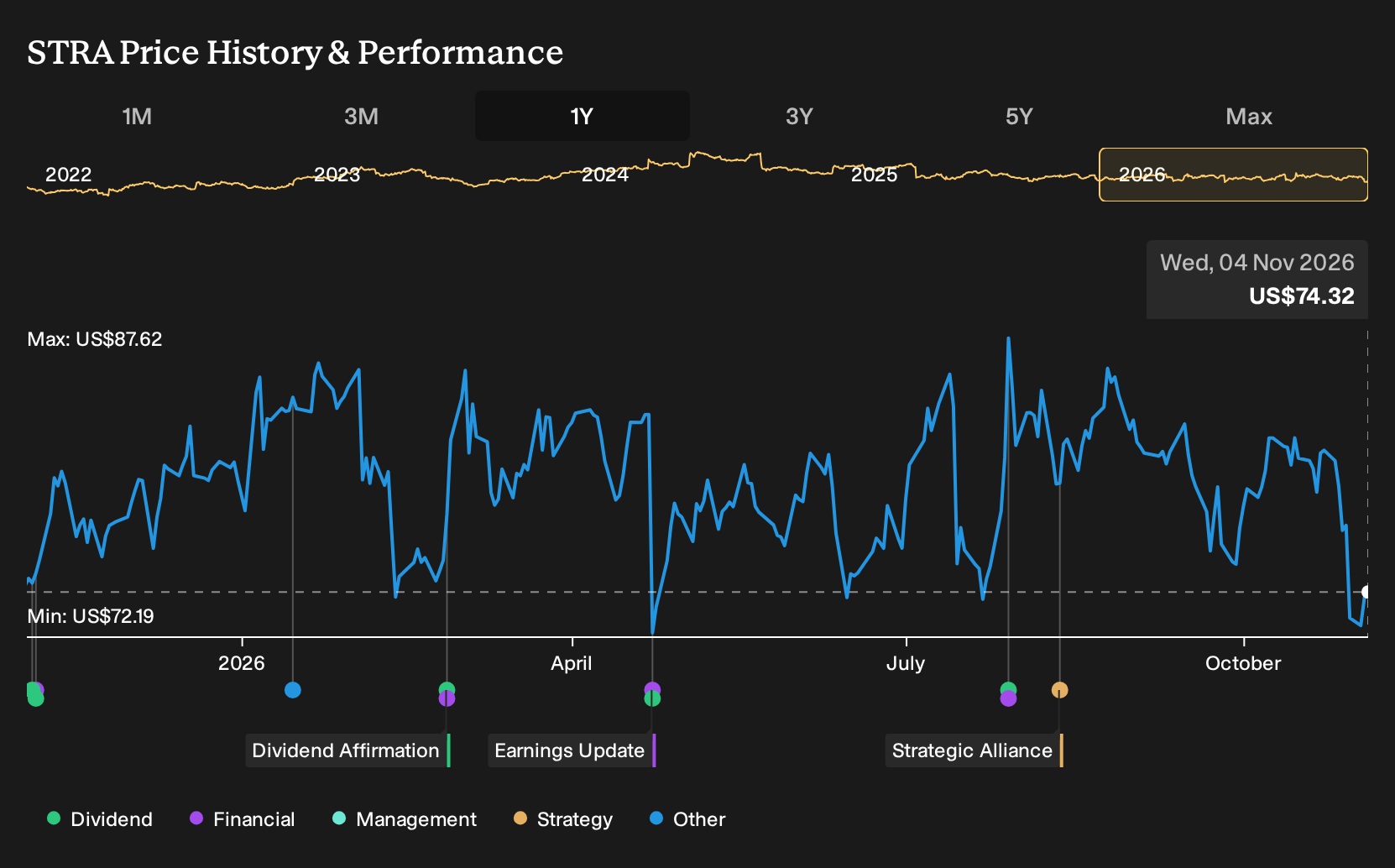
Uncover why Strategic Education's fair value indicates a 32% potential upside to its current price that could narrow quickly.
Exploring Other Perspectives
Four fair value estimates from the Simply Wall St Community span a wide band, from US$87.92 up to about US$232.55 for Strategic Education. This shows how far apart private investors can be. Set that against risks around regulation, enrollment mix, and ETS costs, and you are looking at a story where opinions genuinely diverge.
Explore 3 other Strategic Education fair value estimates, including one that suggests as much as 213% potential upside from the current price.
Reach Your Own Conclusion
Disagree with existing narratives? Extraordinary investment returns rarely come from following the herd, so consider your own analysis carefully.
- A great starting point for your Strategic Education research is our analysis highlighting 6 key rewards that could impact your investment decision.
- See our latest analysis for Strategic Education. The report includes a comprehensive fundamental analysis summarized in a single visual, the Snowflake, making it easier to evaluate Strategic Education's overall financial health at a glance.
Looking For More Investment Ideas Beyond Strategic Education?
If the Strategic Education story has sharpened your thinking, the next step is to widen your opportunity set with a few focused stock shortlists from the Simply Wall St Screener.
- For investors who want mispriced quality, review a 35 high quality undervalued stocks that combine stronger fundamentals with more modest valuations.
- If capital preservation ranks high for you, scan a 31 resilient stocks with low risk scores that our models flag with more resilient risk profiles.
- When balance sheet strength matters most, filter opportunities using a list of solid balance sheet and fundamentals (24 results) and see which companies pair healthier finances with solid underlying businesses.
Have feedback on this article? Concerned about the content? Get in touch with us directly. Alternatively, email editorial-team@simplywallst.com