


EN
Planet Labs Stock And 2 US Climate Risk Analytics Shares To Watch
Climate risk is no longer a distant problem; it is starting to reshape how insurers, lenders, and property investors think about every flood map and fire zone. That shift is pulling climate analytics providers from the niche corner of the market into the mainstream toolkit for risk pricing. This article spotlights three U.S. listed climate risk and geospatial analytics stocks that sit in the crosshairs of that story and explains how the recent news backdrop might affect them.
The three stocks highlighted next are only a sample of what is on offer, because the full screen on U.S. climate risk and analytics providers surfaced 9 more listed companies with similarly detailed stories that are not covered below. To see the wider field and quickly identify which tickers best fit your thesis, head straight to the Climate Risk & Analytics Providers screener.
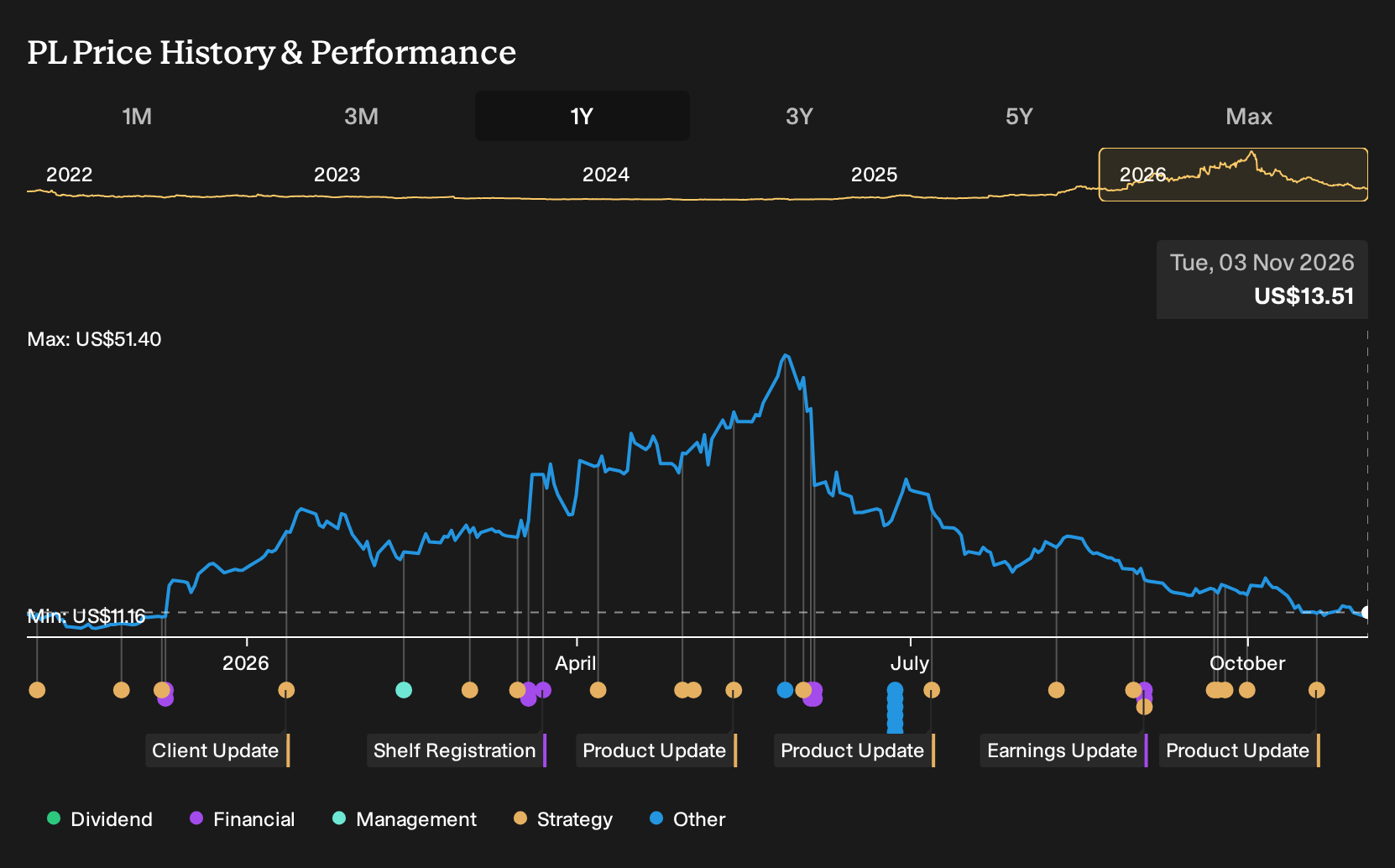
Planet Labs PBC (PL)
Overview: Planet Labs PBC runs a large fleet of imaging satellites that feed climate and physical risk analytics for insurers, financiers, and governments worldwide.
Operations: Planet Labs generates about US$378 million of revenue from data processing services, with roughly US$147 million from North America and US$152 million from EMEA.
Market Cap: US$4.72b
Planet Labs matters for this climate risk screener because its satellites do not just take pictures, they supply the raw material for pricing floods, fires, droughts, and shifting land use in real time.
"Planet operates roughly 200 satellites that image the Earth's landmass every day. What if increasingly capable models can ingest imagery from Planet, Maxar, BlackSky, government satellites, drones and radar systems simultaneously, then answer the customer's question regardless of whose camera took the picture?"
What happens to Planet Labs’ long run economics depends heavily on how one unseen pressure shapes who captures value in this data stack.
That value split is exactly what the full narrative for Planet Labs PBC unpacks. It reveals how Planet Labs PBC could see pricing power accelerate or be quietly siphoned away.
Verisk Analytics (VRSK)
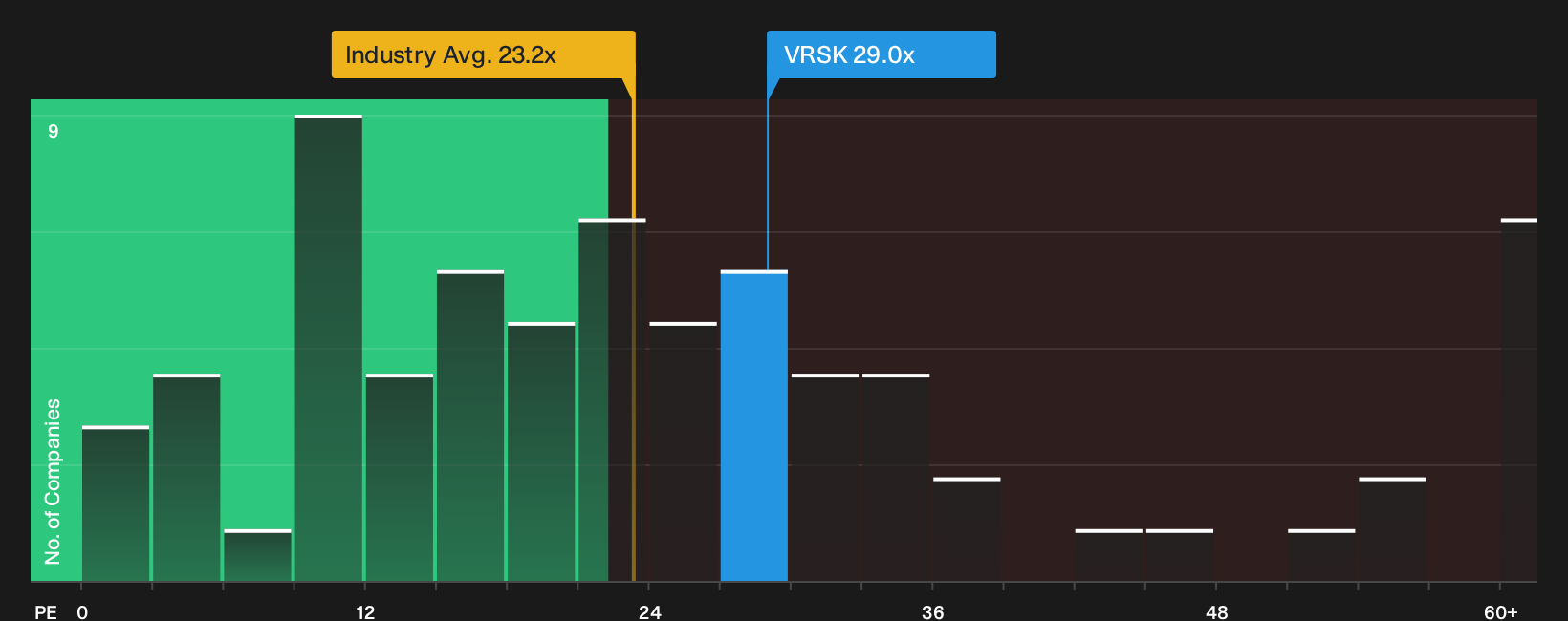
Overview: Verisk Analytics supplies insurance carriers with climate and catastrophe risk models, geospatial hazard data, and workflow tools that help price and manage extreme weather exposure.
Operations: Verisk generates US$3.14b from insurance analytics, with around US$2.56b in the U.S., US$259 million in the U.K., and US$314 million in other countries.
Market Cap: US$26.23b
Verisk Analytics matters for this climate risk screen because its catastrophe models and insurance data sit directly inside how carriers price floods, wildfires, and hurricanes, so any rise in climate related losses tends to sharpen demand for the kind of analytics Verisk sells.
"The 2022 to 2025 portfolio simplification (Energy, Argus, 3E, Marketing Solutions all divested) has produced a cleaner pure-play with structurally higher margins (Adj EBITDA 56.2% in 2025 vs. 53.5% in 2023) and a shrinking share count (approximately 19% reduction since 2019).
What happens to Verisk’s long run pricing power and subscription durability now hinges on how one quiet shift in insurer behavior plays out.
That quiet shift is exactly what the full narrative for Verisk Analytics lays out, showing how Verisk Analytics could see insurer behavior accelerate, decouple or quietly cap its pricing power.
Spire Global (SPIR)
Overview: Spire Global provides subscription-based space data and predictive analytics from its satellite constellation to help customers monitor weather, maritime activity, and environmental conditions tied to climate risk.
Operations: Spire Global records about US$62 million from Internet Information Providers, with roughly US$32 million generated in the United States and smaller contributions from other regions.
Market Cap: US$334 million
Spire Global matters for this climate risk screen because its orbital sensors feed the raw observations that insurers, governments, and financial institutions increasingly rely on when pricing exposure to extreme weather and environmental disruption.
"Growing government and commercial demand for high frequency, real time Earth observation and space data, including weather, RF intelligence, and aviation feeds, is reflected in Spire Global’s expanding contracts with agencies such as NOAA and EUMETSAT and the progression of partnerships like Amadeus IT Group."
What happens to Spire Global’s path to healthier margins now largely turns on how one capital intensive bet on climate focused space infrastructure plays out.
That bet is where the real inflection risk sits, and the full narrative for Spire Global shows how Spire Global’s capital spend could be masking an accelerating climate data opportunity.

Seeking Alternatives Before Others Do
Fresh ideas tend to move first, not last. Some tickers may be building quiet momentum while many investors focus on yesterday’s winners. Consider how to identify the next potential breakout that is still under the radar.
- Scan for potential early-stage momentum in smaller companies that show solid financials using the curated 10 elite penny stocks with strong financials before others get there.
- Focus on cash generative businesses that screens flag as mispriced through the focused 35 high quality undervalued stocks while the gap between price and fundamentals still matters.
- Track listed plays on digital assets and blockchain infrastructure via the targeted 21 cryptocurrency and blockchain stocks while sentiment is still shifting and potential mispricings can be evaluated.
Have feedback on this article? Concerned about the content? Get in touch with us directly. Alternatively, email editorial-team@simplywallst.com