


EN
Charles Schwab (SCHW) Stock May Trade At A Discount On Record Revenue News
Charles Schwab has delivered a 68.5% gain over the past 3 years, yet recent share price weakness has investors rechecking whether that move still lines up with the returns the business earns on its capital. With Schwab tightening its focus on advisor services and rolling out more technology for clients, the key issue is how efficiently those initiatives are turning invested capital into shareholder value at today's price.
- The 68.5% share price rise over 3 years puts Schwab in the spotlight, since such a move raises the bar for the returns on capital that could justify the current valuation.
- Fresh initiatives for registered investment advisors, including expanded banking features and integrated AI tools, can influence expectations for future profitability and the level of capital intensity Schwab may need to support that service model.
- If you'd rather focus on earnings, this one's for you. See what Charles Schwab's 15.1x P/E says about the price.
The stock's next move may depend on whether the returns Schwab earns on its capital are strong and durable enough to support where the shares trade now.
If you want to pressure test Charles Schwab's 3 year return against other companies through the same lens of capital efficiency, run the numbers across 35 high quality undervalued stocks.
Is Charles Schwab a Bargain on Excess Returns?
The Excess Returns model looks at how much profit Charles Schwab can earn above the cost of its equity capital. On this lens, the firm is assumed to generate a stable earnings power of $8.11 per share on a book value base of $29.75 per share, with analysts expecting that book value to edge toward $34.12 over time. The implied average return on equity of 23.76% sits well above the modelled cost of equity of $2.87 per share, so the excess return of $5.24 per share becomes the key driver of estimated worth rather than simple asset value.
Because that excess return stream is capitalised over a long horizon, the model’s projections put Charles Schwab's estimated intrinsic value substantially above the current share price of $89.28. The recent report of record net revenue and higher trading activity helps explain why the market is assigning a richer multiple. However, the Excess Returns framework still suggests investors are not fully pricing in the value of those excess profits. For a closer read on how that gap is calculated, including the detailed Excess Returns assumptions, run your own view across. Find out what Charles Schwab could be worth using our Excess Returns estimate.
The Charles Schwab Narrative: What Would Justify Today's Price?
Simply Wall St Narratives take the valuation puzzle around Charles Schwab and translate it into specific assumptions about future growth, profitability and earnings that would need to hold for the stock to be worth meaningfully more or less than today's market price. Each scenario ties a fair value to a clear mix of potential catalysts and risks so you can later compare which storyline on the Community page is tracking closest to reality.
Community views on Charles Schwab split between investors who see more upside left and those who think expectations already bake most of it in.
Bull case: 27% undervalued
"Schwab’s core strength has always been structural rather than flashy, and its model blends brokerage, asset management, advisory services, and banking in a way that creates multiple, overlapping revenue streams..."
Discover why this Narrative puts Charles Schwab at 27% undervalued.
Bear case: roughly fairly valued
"Although Charles Schwab is reporting record net revenues and adjusted EPS, the recent cuts to outer year net interest income and net interest margin assumptions by several brokers indicate that expectations for earnings from interest spread are already drifting lower..."
Explore why this Narrative puts Charles Schwab at roughly fairly valued.
One more Charles Schwab signal worth checking before you move on
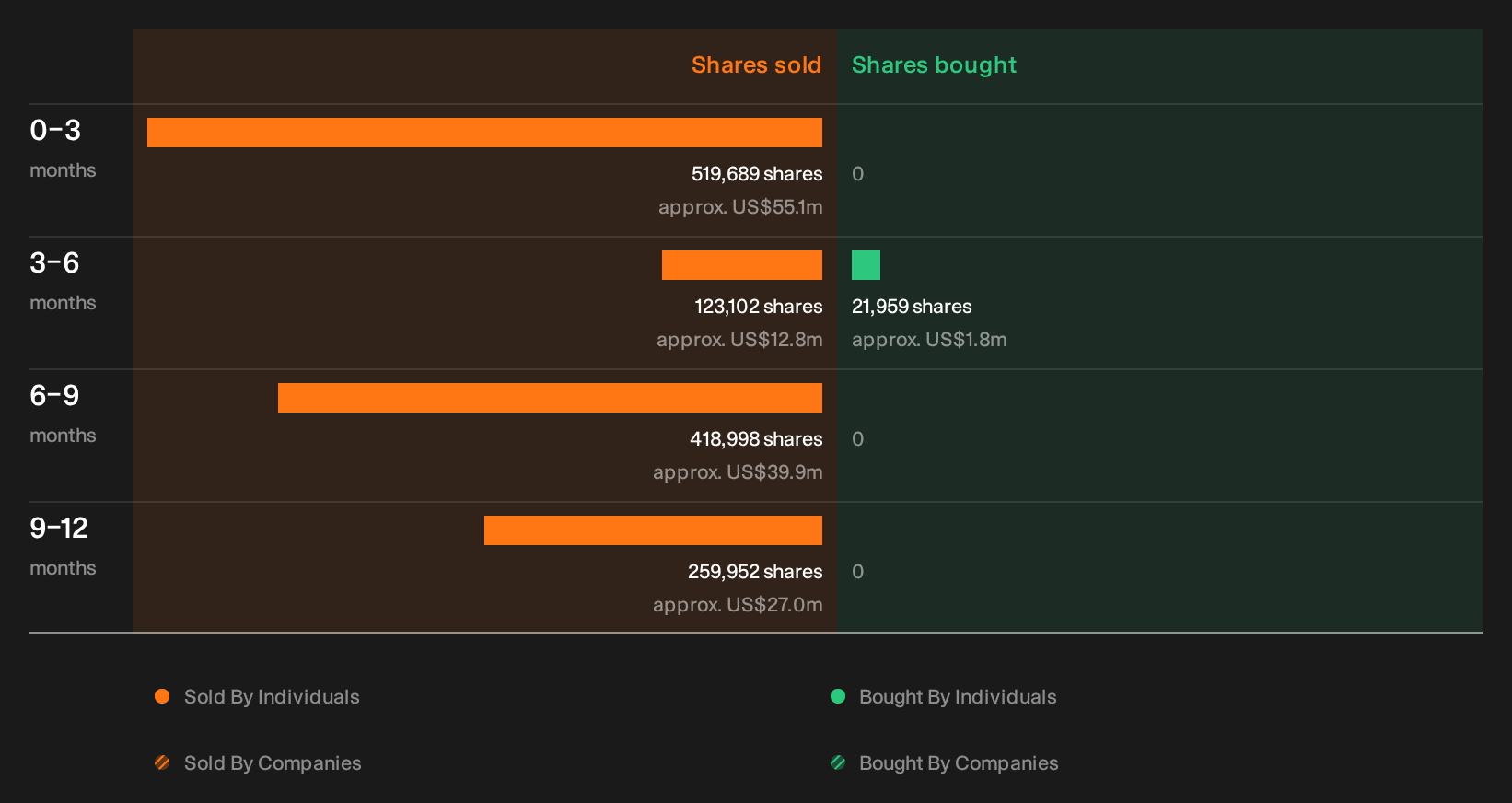
Charles Schwab's fundamentals tell one story, but the recent trading activity by people inside the business may add another layer that is worth understanding for yourself. See the recent insider selling flagged for Charles Schwab.
Have feedback on this article? Concerned about the content? Get in touch with us directly. Alternatively, email editorial-team@simplywallst.com