


EN
3 Offshore Drilling Stocks With Direct Exposure To Oil Supply Risk
Markets rarely get a live test of geopolitical risk like a possible Trump, Xi and Putin summit at Apec in Shenzhen. Energy and oil stocks tied to supply routes and pricing often react first when big powers talk about security and sanctions, which can move prices faster than many investors can keep up with. This article explains how that setup could matter for your portfolio and profiles three stocks most exposed to the headlines.
The three stocks in this article are just a starting sample. The full screen surfaced 11 more large and liquid energy companies with equally compelling narratives that are not covered here.
If you want to identify and analyze the highest-conviction ways to position around supply risk, head straight into the Global Energy and Oil Supply-Risk Beneficiaries screener.
Noble (NE)
Overview: Noble Corporation is a Houston based offshore drilling contractor that runs a global fleet of floaters and jackups for oil and gas producers.
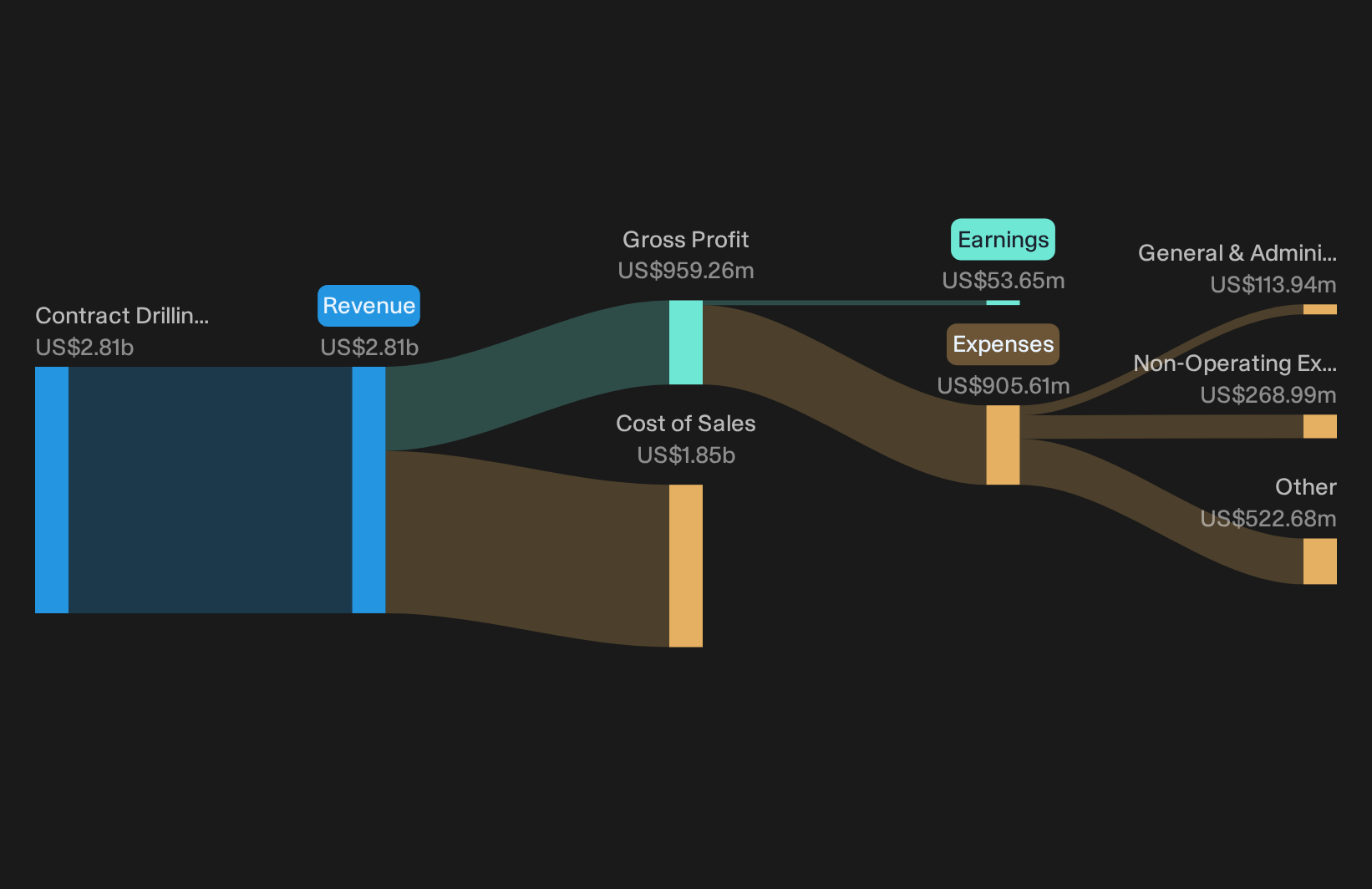
Operations: Noble generates about US$2.8b in revenue from contract drilling services, primarily through long term offshore drilling contracts with energy companies.
Market Cap: US$7.8b
For an investor looking at potential beneficiaries of supply shocks, Noble ties the Apec summit story directly to offshore activity and rig demand rather than just headline driven oil moves.
"The current roughly 95% contracted utilization for marketed ultra-deepwater floaters, together with high rig-year fixtures, supports the view that Noble can keep its premium assets busy, which would feed into revenue and EBITDA if dayrates hold near current levels."
The real swing factor is how one unseen pressure on future offshore pricing shapes whether that busy fleet ultimately expands margins.
That margin question is exactly what the full narrative for Noble lays out in detail, including how contract structure and capital discipline could shift Noble’s earnings mix.
Seadrill (SDRL)
Overview: Seadrill runs a global fleet of high specification offshore rigs that drill oil and gas wells for major producers, linking its fortunes tightly to deepwater investment cycles.
Operations: Seadrill generates about US$1.5b from oil and gas contract drilling, with major exposure to Brazil, Angola and the U.S. Gulf of Mexico.
Market Cap: US$3.3b
Seadrill matters for this screener because offshore drilling is often where higher oil prices, wider upstream margins and geopolitical supply worries show up most directly in new projects and pricing power.
"Supply of competitive ultra deepwater rigs remains tight due to minimal newbuilds and uneconomical reactivations. Seadrill’s focus on high spec units positions the fleet to benefit from leading edge dayrates that management links to higher pricing and potential margin expansion."
What really moves the Seadrill story from here is how a single shift in offshore customer contracting appetite filters through to that pricing power.
That contracting shift is exactly what the full narrative for Seadrill unpacks for Seadrill, mapping how changing risk appetites could accelerate or stall offshore pricing power.

Transocean (RIG)
Overview: Transocean runs a global fleet of ultra deepwater and harsh environment rigs that drill offshore oil and gas wells for major energy clients.
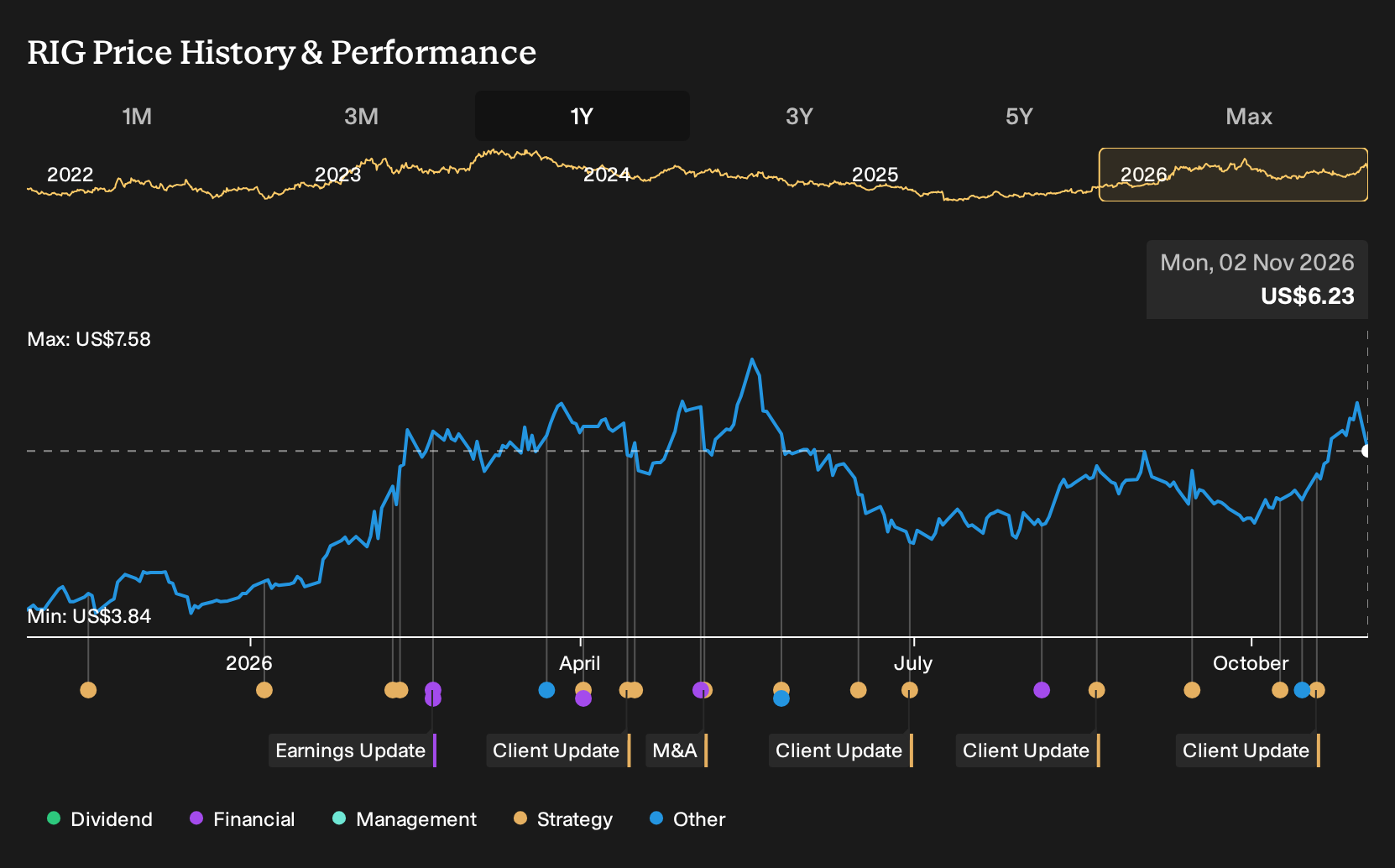
Operations: Transocean generates about US$4.1b from contract drilling services, with key exposure to the U.S., Brazil, Norway and other international markets.
Market Cap: US$7.8b
Transocean matters in this screener because it gives you pure offshore operating leverage to oil prices and project demand, right where supply risk and long dated drilling commitments intersect.
"If oil falls hard and operators push their 2027 projects to the right, the debt does not go away and the stock goes nowhere for a long time."
What really decides how Transocean trades from here is what happens to one tight link between offshore dayrates and that heavy debt stack.
That debt versus dayrate link is exactly what the full narrative for Transocean unpacks, showing where Transocean could decouple from its burden if offshore pricing keeps accelerating.
Seeking Alternatives Before The Crowd?
Fresh ideas move first. Breakout themes gain momentum, laggards get caught dropping and quiet winners fly under the radar for now. Screening while it matters lets you get in early.
- Spot sturdy balance sheets before momentum traders arrive by scanning the curated list of solid balance sheet and fundamentals (24 results). It filters for financial resilience while prices still reflect old expectations.
- Track powerful income plays building steady cash momentum through the focused 4 dividend fortresses. It highlights high yielding payers while they remain overlooked by faster money.
- Ride the next infrastructure breakout by zeroing in on power-grid enablers using the tailored 42 power grid technology and infrastructure stocks. It keeps crucial transmission and grid technology stories from slipping past you.
Have feedback on this article? Concerned about the content? Get in touch with us directly. Alternatively, email editorial-team@simplywallst.com