


EN
Chevron Spending Shift Makes These Offshore Services Stocks Worth A Closer Look
Chevron’s plan to lift frontier exploration spending to over US$1.5b and push harder into undeveloped offshore basins has put fresh attention on the suppliers that make this work possible. Exploration appetite is rising, concentration risk is back in focus, and offshore specialists sit right on that fault line. This piece unpacks three offshore oilfield services stocks exposed to that shift so you can assess whether to participate or step aside.
The stocks covered below are only a small sample of what fits this offshore thesis, and the full screen surfaced 26 more companies with equally interesting business stories and risk profiles that are not included here. If you want to move quickly from high-level theme to concrete watchlist, head straight to the Offshore Oilfield Services & Equipment Suppliers screener to filter, analyze, and identify the offshore oilfield services and equipment suppliers that best fit your own conviction and risk tolerance.
Subsea 7 (OB:SUBC)
Subsea 7 is one of the purest plays on the offshore theme in this screen, combining deepwater engineering, subsea construction, and life of field services for energy producers that are pushing harder into complex offshore projects.
Subsea 7 generates most of its income from Subsea and Conventional activities at about $6.1b, with Renewables at around $1.3b and Corporate at roughly $100 million, and the group carries a market value of about NOK96.2b.
"Continuation of robust order intake and record backlog, with Subsea 7 holding a total backlog of $13.6b and visibility of $3.9b of revenue for the second half of 2026 and $5.9b for 2027, supports the idea that previously highlighted demand for offshore oil and gas and brownfield redevelopments is still feeding future revenue and earnings."
The real swing factor is how one unresolved industry shift filters through to Subsea 7’s pricing power and long term margin profile.
That margin question is exactly what the full story unpacks, so read the full narrative for Subsea 7 to see how pricing power, contracts, and capital discipline could interact.

Viridien Société anonyme (ENXTPA:VIRI)
Viridien Société anonyme is one of the purest offshore data plays in this screen, turning subsurface imaging, seismic software, and sensing hardware into the digital plumbing that lets explorers assess high risk frontier basins before they commit serious rig capital.
Viridien Société anonyme focuses on offshore linked geoscience and seismic data activities, with Sensing & Monitoring equipment and solutions generating about $259 million alongside material segment and IFRS adjustments, and the stock carries a market value of roughly €677 million.
Investors watching Chevron and other majors ramp up frontier offshore work are paying closer attention to Viridien Société anonyme because it sells the subsurface imaging and Earth Data that help decide where the next wells get drilled and how fast discoveries move toward production.
"The Geoscience backlog of US$306 million at end June 2026, up 19% versus year end 2025 and close to historical highs, combined with tender activity more than 50% higher year on year, indicates that further conversion of this work into higher value processing and imaging could support segment revenue and EBITDA beyond what is embedded in current run rate numbers."
What really moves the story from here is how one emerging pattern in offshore exploration spending filters into pricing power and cash generation.
That cash question is only the start, and the full narrative for Viridien Société anonyme shows how accelerating offshore spending, licensing patterns, and tech shifts could reshape Viridien Société anonyme’s risk reward profile.

TGS (OB:TGS)
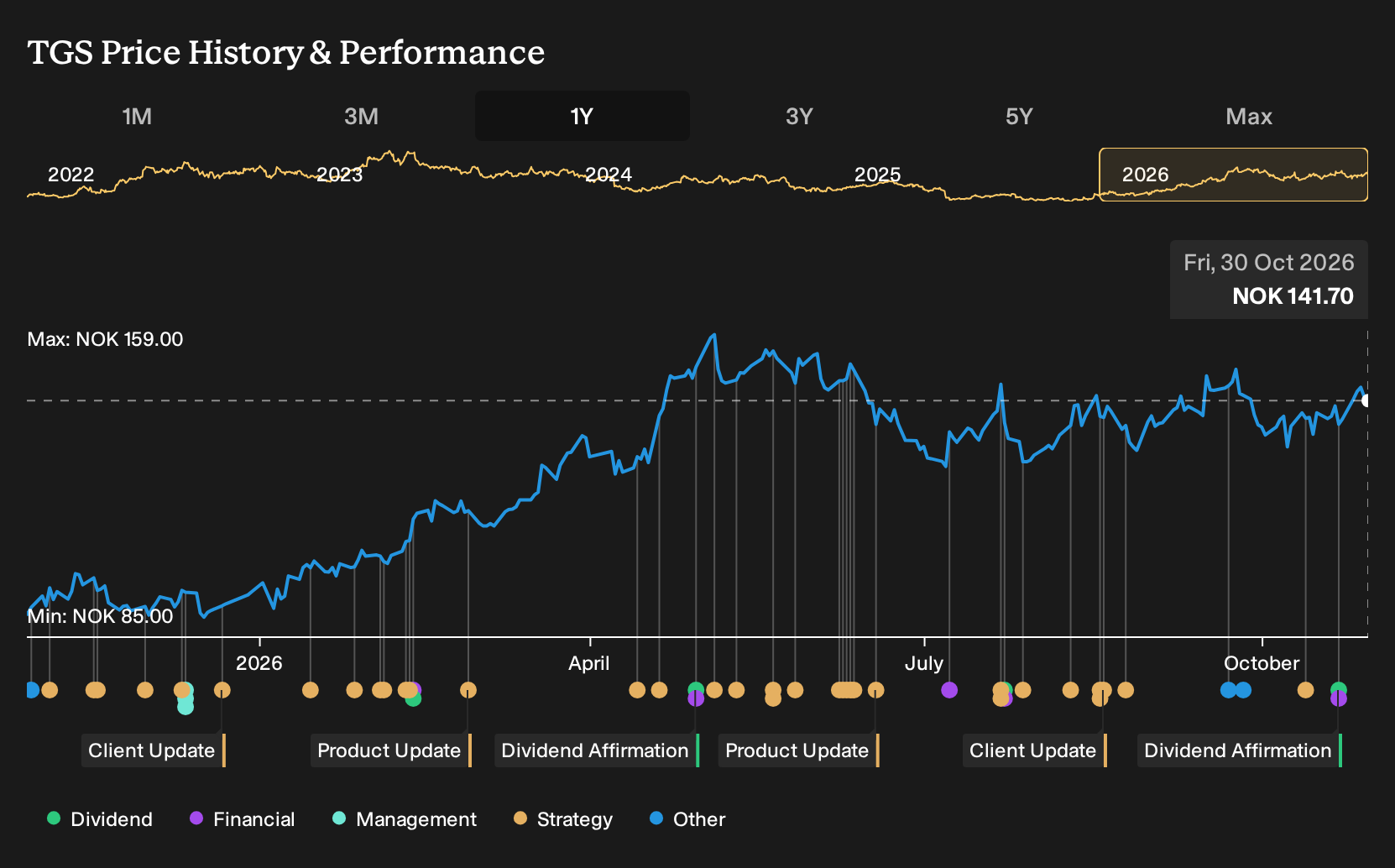
TGS is one of the purest ways to play offshore exploration in this screen, since oil companies need its seismic, well and subsurface data before they commit serious capital to new offshore wells and frontier basins.
TGS generates most of its income from multi client seismic at about $989 million and marine data acquisition at around $781 million, with imaging adding roughly $136 million and various adjustments reducing the reported total, and the stock carries a market value of about NOK27.9b.
"TGS is using its integrated offshore model to keep streamer vessel utilization very high, with 91% in Q1 2026, 94% in Q2 and guidance above 80% for Q4."
What happens to TGS’s pricing power if one emerging pressure on offshore contract terms and data library spending shifts more sharply than expected?
If that contract pressure is what worries you, read the full narrative for TGS to see how TGS’s data model could still convert tightening terms into accelerating opportunity.
Seeking Alternatives Before Everyone Else?
Fresh ideas move first. Once momentum hits, prices can start flying and the clean entry points get caught by faster investors. Scan these while it matters and aim to position early.
- Target resilient potential compounders before they are crowded by using the curated 218 resilient stocks with low risk scores to spot candidates investors may only notice once volatility has already dropped.
- Hunt for income workhorses with staying power through the hand picked 222 dividend fortresses, which screens for payout strength while prices are still under the radar.
- Follow the AI infrastructure build out while it is still forming by shortlisting prospects via the focused 54 AI infrastructure stocks before capital focuses more fully on these stories.
Have feedback on this article? Concerned about the content? Get in touch with us directly. Alternatively, email editorial-team@simplywallst.com