


EN
Blackstone (BX) Stock Looks Reasonable After Strong Excess Returns
Blackstone has delivered a 28.1% gain over the past 3 years. With the stock now around US$118, the live question is whether that price is still in line with the returns the business earns on its capital.
- A 28.1% return over 3 years puts real money behind the debate about whether Blackstone's current valuation is fully backed by the profitability of the capital it deploys.
- Large commitments to areas like AI infrastructure financing and energy transition funds can reshape Blackstone's mix of fees, performance income, and credit risk. That mix feeds directly into the quality of the returns it generates on each dollar invested.
- What if you looked at Blackstone through its earnings instead? See why Blackstone's 26.6x P/E tells a different valuation story.
The issue now is whether the stock's current price can be supported by the level and durability of the returns Blackstone earns on its capital base.
If you want to test the same question about the returns businesses earn on their capital beyond Blackstone, apply the same analysis to 54 AI infrastructure stocks.
Is Blackstone Fairly Priced on Excess Returns?
The Excess Returns model starts by asking how profitably Blackstone can reinvest each dollar of equity over time. Here, the company is modeled with a Book Value of $11.05 per share and a Stable EPS of $5.71 per share, which are both anchored to analyst views of future return on equity. With an Average Return on Equity of 46.70% and a Stable Book Value of $12.23 per share, the framework assumes Blackstone continues to earn well above its modeled Cost of Equity of $0.99 per share.
Those inputs translate into an Excess Return of $4.73 per share, so most of the implied worth in the Excess Returns approach comes from the value of reinvesting at those high projected rates rather than from the existing asset base alone. Because the projections put Blackstone's estimated intrinsic value broadly in line with the current share price of $118.51, the model suggests investors are already paying for strong returns on capital. News around Blackstone's $9b second lien exposure to Anthropic's AI financing helps explain why the market is comfortable assigning a full price to those projected excess returns. Find out what Blackstone could be worth using our Excess Returns estimate.
The Blackstone Narrative: What Would Justify Today's Price?
Simply Wall St Narratives pick up where the excess returns puzzle for Blackstone leaves off by spelling out which assumptions on growth, margins and earnings need to hold for the stock to be worth materially more or less than today’s price. Each scenario links a fair value estimate to a specific storyline about Blackstone's potential catalysts and key risks so you can watch over time which version of events appears to be taking shape.
Community views on Blackstone split between those who see untapped upside in its platforms and others who think most of the story is already in the price.
Bull case: 16% undervalued
"Growth in insurance partnerships, with insurance AUM at US$290b across 40 solutions clients and new mandates such as the roughly US$10b private credit and real estate partnership with Nippon Life, creates a larger base of capital light fee streams..."
Discover why this Narrative puts Blackstone at 16% undervalued.
Bear case: roughly fairly valued
"While Blackstone is reporting strong firmwide inflows and profit growth, persistent net outflows in BCRED after repurchase requests exceeded the 5% quarterly limit and only about half were met could signal product fatigue in a flagship private credit vehicle that may cap future management and performance fees from this channel..."
Explore why this Narrative puts Blackstone at roughly fairly valued.
One More Blackstone Check That Sits Outside The Valuation Math
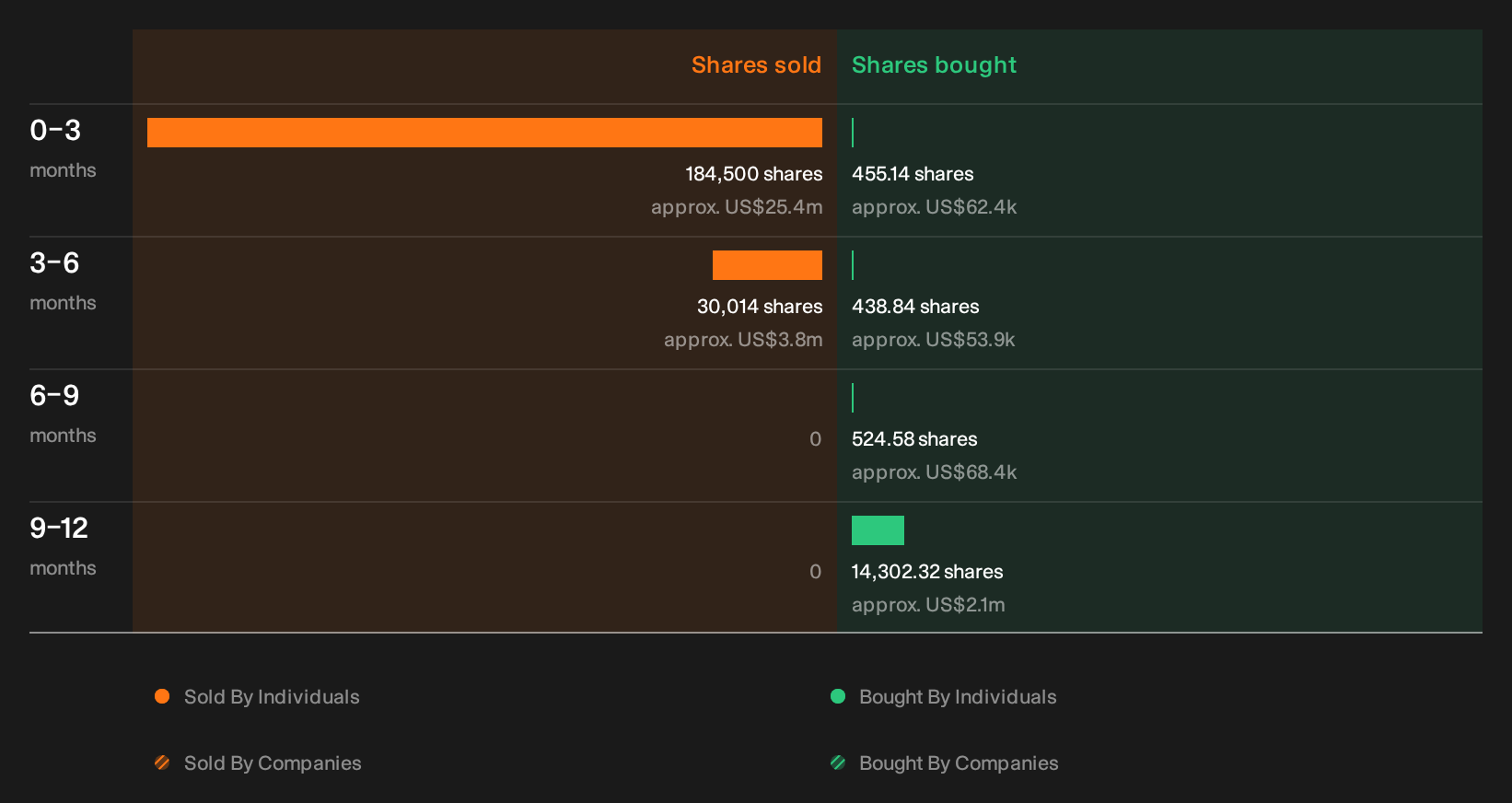
Price, returns on equity and narratives tell part of the Blackstone story, but recent director and executive share sales flagged by our checks raise a separate question about behaviour that you may want to inspect for yourself. See the recent insider selling flagged for Blackstone.
Have feedback on this article? Concerned about the content? Get in touch with us directly. Alternatively, email editorial-team@simplywallst.com