


EN
Hamilton Insurance Group (HG) Stock Shrugs Off Q3 Earnings Margin Strain
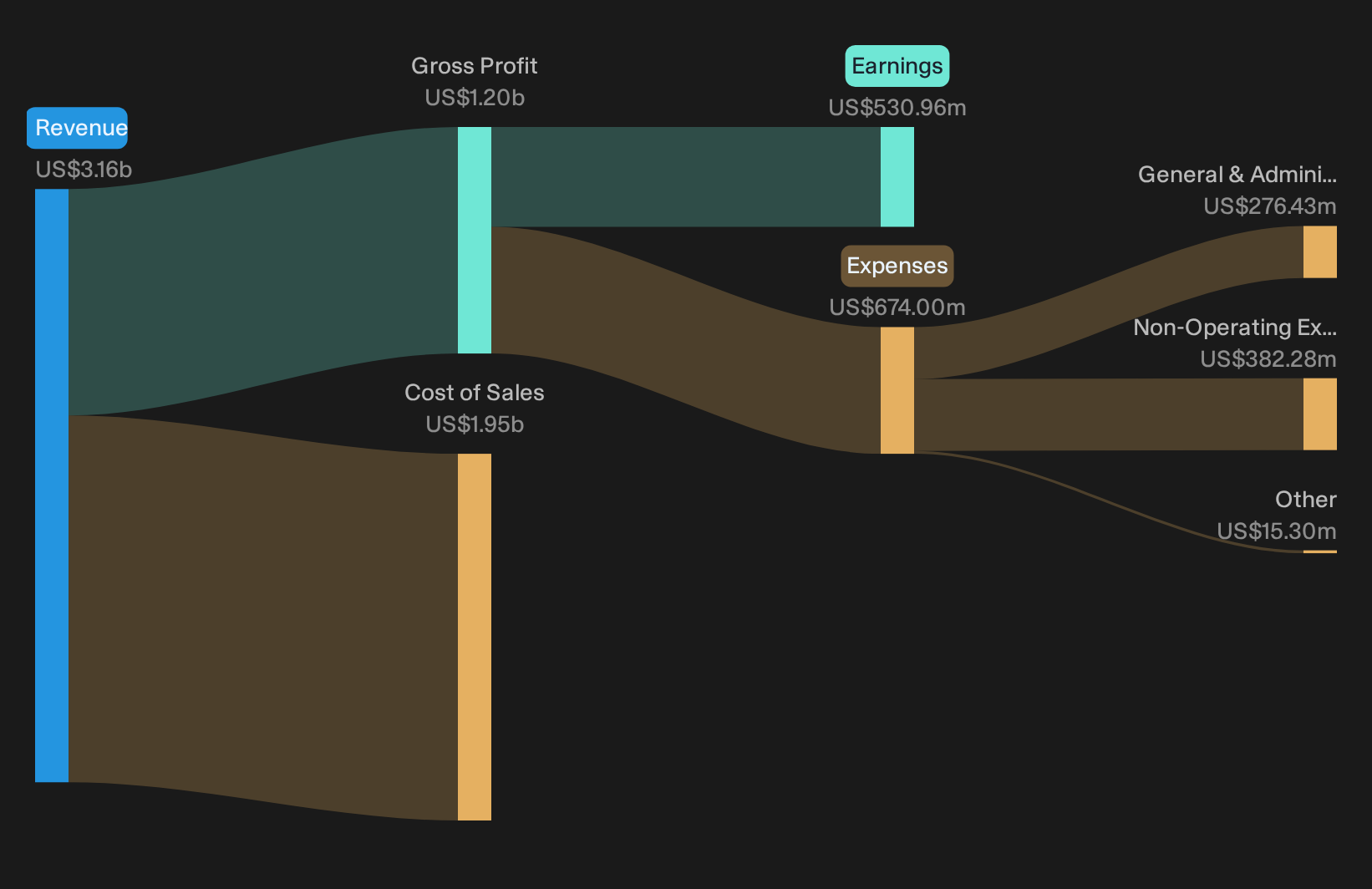
Hamilton Insurance Group reported Q3 2026 results with a headline that may sound dull at first glance but speaks directly to sentiment. Earnings per share came in at US$0.82 and the group combined ratio was 97.3%. Despite this, the stock still climbed 1.9% to US$35.09 on the day after the release.
That move indicates traders are treating this as a manageable margin squeeze rather than an earnings crack. The initial buying interest appears to reflect a view that catastrophe losses and Ukraine related reserve adjustments are more about timing, while the longer term underwriting and return profile is seen as more important.
Love Hamilton Insurance Group's underwriting resilience but wary of margin pressure from catastrophe events and reserve noise? Filter for insurers with stronger cushions in a list of solid balance sheet and fundamentals stocks (25 results)
Q3 2026 Earnings Summary
- Total Revenue (Q3 2026 vs Q3 2025): US$829.2 million vs. US$665.0 million (higher year over year)
- Net Income, Excl. Extra Items (Q3 2026 vs Q3 2025): US$81.5 million vs. US$136.2 million (lower year over year)
- Basic EPS (Q3 2026 vs Q3 2025): US$0.82 vs. US$1.37 (decline of about 40%)
- Group Combined Ratio (Q3 2026 vs Q3 2025): 97.3% vs. 87.8% (meaningfully weaker underwriting margin)
Ask Charlie what Hamilton’s 83% post‑IPO book value jump signals.
Hamilton’s Bull Story Hinges On Fee And Mix Milestones
The bullish view says Hamilton Insurance Group can lean on third party capital and a richer business mix to climb the earnings ladder.
"Increased third party fee income from ILS property cat platforms and the casualty sidecar, together with ongoing work to lower other underwriting expenses since 2019, provides a pathway to a leaner expense base that can support operating margins and earnings."
Q3 provides partial backing. Operating income of US$180 million alongside a 97.3% combined ratio indicates underwriting pressure, while fee and investment lines contribute a greater share of results. Growth in Hamilton Select and International specialty aligns with the shift toward casualty and complex risks. The margin side of the thesis appears less secure.
Not everyone reads the same price the same way. → See the higher figure this Narrative lands on, and how it gets there.
Hamilton Bear Case: Mix Shift Risks Still Unresolved
Critics argue Hamilton Insurance Group is hard wiring less profitable business into its model as casualty and specialty take a bigger slice of the pie.
"Greater reliance on casualty reinsurance and higher acquisition cost ratios tied to casualty and specialty mix changes could lock in structurally higher attritional loss and expense ratios."
The third quarter combined ratio of 97.3% and a higher loss ratio in a period with conflict related hits give that concern some traction. International and Bermuda both posted underwriting income of less than US$10 million, so most earnings came from investments and fee heavy areas. At this stage, this mix shift has not yet proven it can consistently support stronger underwriting profitability.
Hunt For Mispriced Earnings Power
Hamilton Insurance Group just showed how sentiment can stay constructive even when underwriting margins feel tight. The real opportunity could sit in stocks where fundamentals and market pricing have quietly drifted apart.
- Company 1 - 46% below our estimate - builds payment rails merchants use to collect and disburse funds across many local methods.
- Company 2 - 37% below our estimate - leans on an asset light agent network while rolling out AI tools to boost productivity.
- Company 3 - 48% below our estimate - moves from low margin assembly work into co-designing complex hardware for medical and automotive clients.
Those are three of them. See all 29 potentially undervalued companies →
Have feedback on this article? Concerned about the content? Get in touch with us directly. Alternatively, email editorial-team@simplywallst.com