


EN
3 Memory Chip Stocks Riding AI Demand Without Chasing The Biggest Names
AI-heavy memory demand just handed Samsung record quarterly figures, and that kind of headline tends to pull the entire semiconductor story into the spotlight. Investors watching this surge in chip spending see both promise and risk, from potential capacity gluts to deeper dependence on a single sector. This article walks through three stocks exposed to that same news and explains why each one could either benefit or demand extra caution right now.
The three stocks highlighted below are just a small sample. The full screen surfaced 49 more listed semiconductor groups with memory exposure and equally compelling narratives that are not covered here. To go wider than this shortlist and start identifying your own highest conviction ideas, head straight into the AI-driven Semiconductor and Memory Chip Makers screener.
Macronix International (TWSE:2337)
Overview: Macronix International designs and manufactures NOR and NAND flash memory, related security and high density solutions, and provides foundry services globally.
Market Cap: NT$204.9b
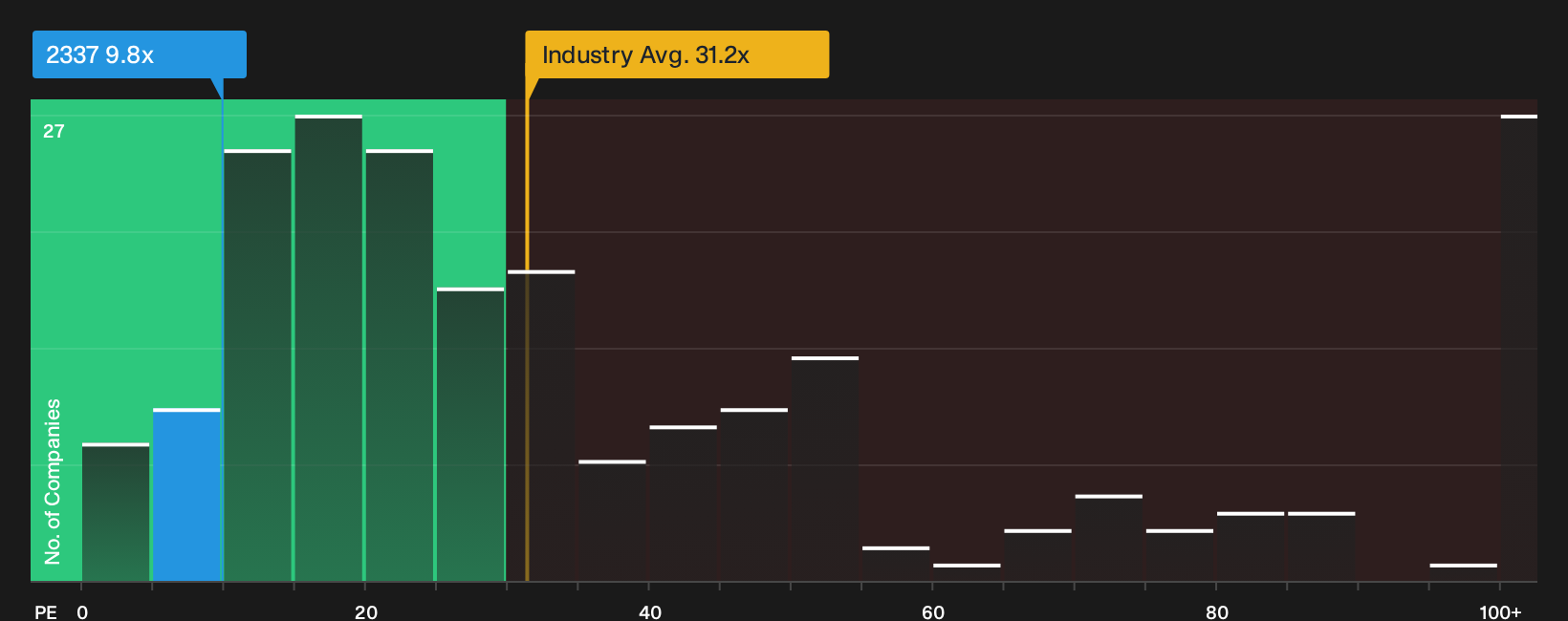
Macronix International gives direct exposure to AI-linked memory demand, with NOR and NAND flash products tied into consumer, industrial and data-centric hardware. Forecasts indicate earnings and revenue expansion, while the current P/E remains below many Taiwanese semiconductor peers. Investor attention now hinges on how one less-visible pressure shapes pricing power and the resilience of future chip cycles.
That pricing pressure angle is exactly why many investors are scanning the 4 key rewards and 1 important warning sign to see whether AI-driven demand is masking fragility or creating a stronger runway.
Hua Hong Grace Semiconductor (SEHK:1347)
Overview: Hua Hong Grace Semiconductor manufactures embedded and standalone non volatile memory and specialty chips as a foundry for global electronics markets.
Operations: The business generated about US$2.7b from semiconductor manufacturing, with roughly US$2.2b from China including Hong Kong, plus hundreds of millions from North America.
Market Cap: HK$167.4b
Hua Hong Grace Semiconductor matters in this AI driven memory story because it supplies the behind the scenes chips that keep servers and connected devices fed with power, storage and control logic when demand spikes as sharply as it has this year.
"AI related orders for MCUs, memory and PMICs are running at roughly 1.5 to 2 times Hua Hong Grace Semiconductor’s current capacity, with fabs near full loading and management using pricing and product mix to allocate constrained supply."
The real swing factor is how one future shift in its 12 inch expansion and acquisition plans ripples through pricing power and margins.
That capacity question sits at the center of the full narrative for Hua Hong Grace Semiconductor, where you see how expansion plans, pricing power and AI demand could be decoupling from the cycle.

eMemory Technology (TPEX:3529)
Overview: eMemory Technology develops embedded flash memory and security IP that sits inside advanced SoCs and edge or AI chips worldwide.
Operations: eMemory Technology generates NT$4.2b from memory chips, mainly in Taiwan and wider Asia, resulting in highly concentrated, theme aligned revenue.
Market Cap: NT$198.3b
eMemory Technology is included in this screen because it not only supplies memory IP for AI related hardware, it also links that memory directly to the DDR5 and server architectures that are drawing a significant share of the sector’s capital and attention.
"Mass production of NeoEE based DDR5 modules for a major Korean memory manufacturer, planned to start in the first quarter following the 2025 guidance, creates a new royalty stream linked to AI server memory content that could affect overall royalty revenue and operating leverage."
A key consideration for eMemory Technology is how any shift in where those royalties are concentrated ultimately feeds through to margins under different levels of AI memory demand.
That margin story is where the full narrative for eMemory Technology pulls together how concentrated royalties, accelerating AI memory demand and potential cycle risks could reshape eMemory Technology’s long term earnings mix.

Seeking Fresh Alternatives Before They Fly
Momentum shifts fast. Fresh breakouts can get caught by early buyers while slower money chases what already moved. Scan under the radar ideas before the data goes stale and act now.
- Spot cash generative underdogs early and explore the 192 high quality undervalued stocks while they are still priced as if momentum has not arrived yet.
- Look for the next wave of automation demand and filter for companies in the 96 robotics and automation stocks before institutional money crowds the trade.
- Target resilient balance sheets that may continue compounding through rough patches by scanning the list of solid balance sheet and fundamentals (204 results) while valuations still look reasonable.
Have feedback on this article? Concerned about the content? Get in touch with us directly. Alternatively, email editorial-team@simplywallst.com