


EN
US Stock Market Today: S&P 500 Futures Edge Up On Durable Demand Optimism
The Morning Bull - US Market Morning Update Wednesday, Oct, 28 2026
US stocks are set for a slightly positive open, with sentiment leaning cautiously upbeat. The single driver this morning is stronger US demand data, which keeps the soft landing debate very much alive.
September durable goods orders rose 1.8%, while core orders excluding transportation gained 0.5%. That combination points to resilient capital spending. Investors are treating it as a clean read on near term business demand without a heavy policy headline attached.
Firm orders data can pressure expectations for easier financial conditions, since solid demand tends to keep pricing power and margins intact. That tends to support earnings expectations for more cyclical parts of the market, while keeping interest rate sensitive areas on a shorter leash.
The unresolved question is how long this demand strength can coexist with the Fed’s current policy stance. Tomorrow’s US GDP and PCE inflation numbers will either reinforce today’s resilience story or reopen concerns about growth quality and price pressures.
Stocks to Watch Before the Opening Bell
HCA Healthcare (HCA)
Fresh third quarter numbers put HCA Healthcare in focus. Revenue was up 3.6% and diluted EPS rose 4.5%, but management flagged a payer mix shift as more patients showed up uninsured. That mix is estimated to have reduced income before taxes by about US$400 million. Watch how hospitals manage pricing, coverage trends, and cost controls into year end.
Chevron (CVX)
Chevron is reshaping its offshore US exploration footprint through an asset swap with TotalEnergies. TotalEnergies is taking a 25% working interest in 26 Chevron operated leases, while Chevron is gaining a 75% stake in two adjacent blocks. The reshuffle concentrates exploration exposure and deepens the partnership. Investors can focus on how future drilling plans and capital spending priorities evolve around this portfolio.
Circle Internet Group (CRCL)
Circle Internet Group is in the spotlight after Mizuho cut its price target to US$43 and kept an Underperform rating. The broker highlighted a risk that AI personal assistants could steer USDC users toward higher yielding products. Mizuho estimates this shift could trim Circle reserve revenue by 10% to 20% and reduce USDC market value by US$4 billion to US$9 billion.
Top Movers
- Cerebras Systems (CBRS) jumped 10.10% after Oracle agreed to offer Cerebras AI inference on Oracle Cloud Infrastructure.
- Rocket Lab (RKLB) gained 8.34% after updates on Neutron progress and a US$515m military satellite program pipeline.
- Flex (FLEX) climbed 8.26% as traders positioned ahead of earnings with expectations shaped by prior sector results.

Top Losers
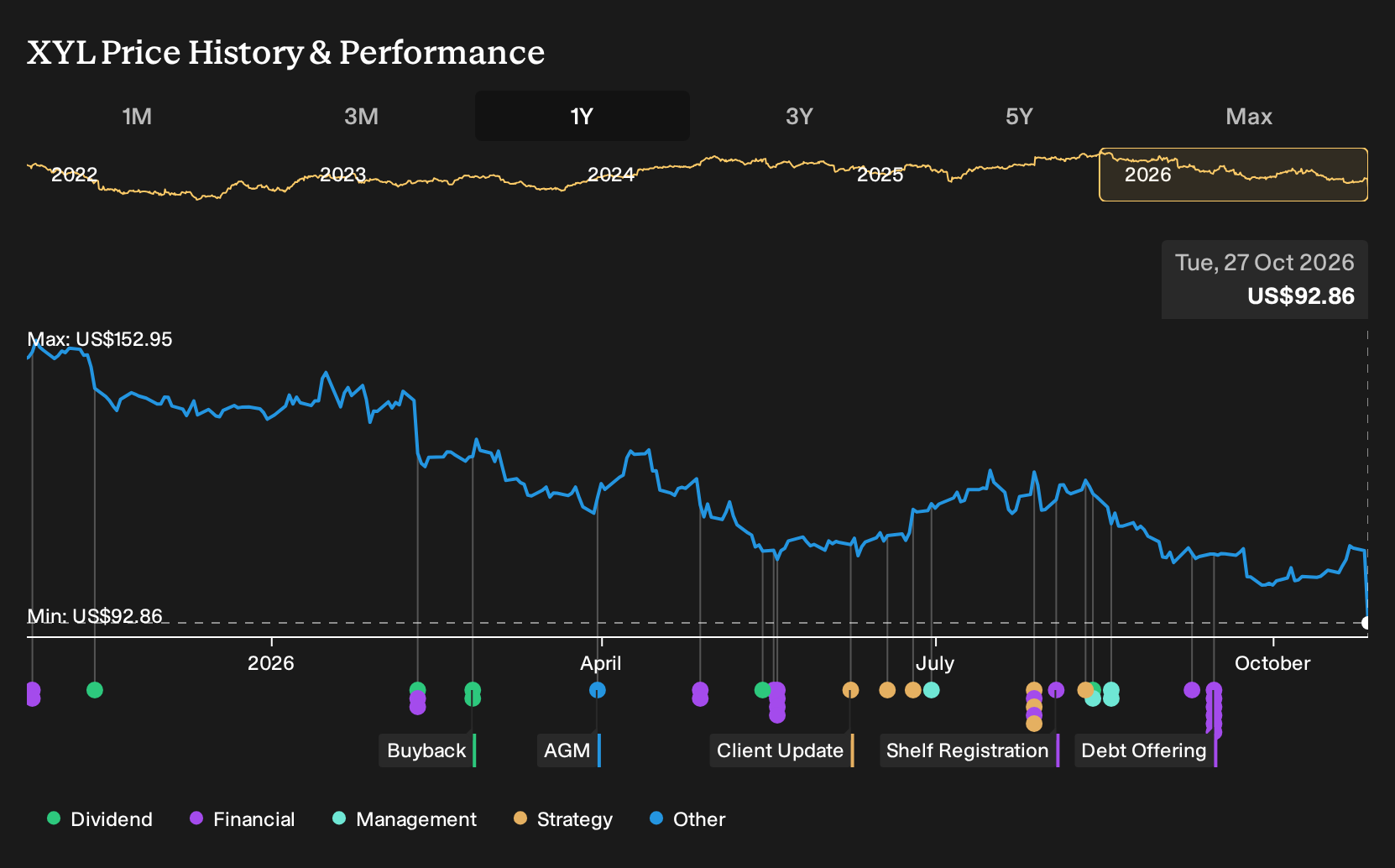
- Xylem (XYL) fell 14.21% after missing Q3 estimates, cutting 2026 guidance, and facing multiple analyst target downgrades.
- Boeing (BA) declined 10.69% as a wider-than-expected Q3 loss and a delayed 737 production ramp weighed on sentiment.
- Valero Energy (VLO) dropped 9.24% after refining peers weakened, with investors reassessing margins following recent strong results.
On The Radar
Fed policy and a heavy slate of mega cap and tech earnings sit at the center of the next few sessions for US stocks.
- Fed Interest Rate Decision, Wed 28 Oct. The target rate currently sits at 4% with consensus at 4.0%. Any move away from that level, or a surprisingly hawkish FOMC statement, would quickly ripple through rate sensitive sectors and equity valuations.
- US GDP Growth Rate QoQ Adv, Thu 29 Oct. Forecast calls for 3.1% Q3 growth versus 2.2% previously. A figure above forecast would underline the demand resilience theme and can keep pressure on longer yields and growth stock valuations.
- US Core PCE Price Index MoM, Thu 29 Oct. Markets look for a 0.3% September increase after 0.2% in the prior reading. A softer outcome would ease worries about persistent inflation, while a stronger one would reinforce a “higher for longer” rates narrative.
- US PCE Price Index YoY, Thu 29 Oct. Consensus sits at 3.6% after 3.4%. A reading above 3.6% would underline sticky inflation in the Fed’s preferred gauge and could weigh on rate sensitive growth stocks and housing related sectors.
- Microsoft (MSFT), Apple (AAPL), Alphabet (GOOGL), Amazon.com (AMZN) Q3 results, Wed 28 Oct and Thu 29 Oct. Revenue trends and forward guidance around cloud, AI infrastructure and consumer devices will heavily influence broader US indices given these firms’ large benchmark weights.
Sector & Industry Watch
Tech: AI contracts keep sector in play
Tech has firmed over the past week after a weaker 30 day stretch, with year to date and 1 year returns still ahead of the US Market. Fresh AI deals from Oracle, IBM, Akamai and others show large corporates signing real software, cloud and security contracts, not just talking about future projects.
If a good chunk of your portfolio leans on US software or cloud stocks, Microsoft and Alphabet’s Q3 results are the near term swing factor because their comments on cloud demand and AI budgets often shape how investors treat the whole sector.
Semiconductors: AI orders meet funding questions
Semiconductors have bounced over the last 7 days after a clear 30 day pullback, and still show strong year to date and 1 year gains. Earnings and updates from SK hynix, Teradyne, Ultra Clean and others point to solid AI related demand, while headlines about higher debt costs for AI data center operators raise questions about how easily new capacity can be financed.
If you hold chip ETFs or GPU exposed stocks such as NVIDIA or its equipment suppliers, Thursday’s US Core PCE inflation print is the single macro release to watch since a hotter reading can keep borrowing costs elevated and weigh on sectors priced off long term growth.
Energy & Oil and Gas: Tight stocks and deals back cash flows
Energy and Oil and Gas have both recorded gains over the past week and month on top of strong 1 year returns. A surprise private crude draw, steady drilling updates from Nabors and Chevron’s offshore asset swap all sit alongside API data showing lower crude inventories and mixed product stocks, which together point to firm near term conditions for US producers and refiners.
For anyone holding broad energy ETFs or individual US producers, today’s EIA crude and gasoline inventory report is the key check on whether recent sector strength lines up with genuinely tight US supply or reflects shorter term trading swings.
Real Estate: REIT activity versus softer housing data
Real Estate has been slightly weaker over the last week while returns over the past month and year to date remain positive. Transactions and earnings from STAG Industrial, W. P. Carey, Extra Space and others show buyers still active in industrial and income focused property, even as US building permits, new home sales and higher mortgage rates keep the construction pipeline under pressure.
If you own REITs or housing linked funds, tomorrow’s US Q3 GDP together with the latest housing and inflation releases will help you judge whether rental income and asset values are doing enough to offset higher interest expenses.
Healthcare & Pharmaceuticals & Biotech: Drug pipelines steady portfolio ballast
Healthcare and Pharmaceuticals & Biotech have been broadly flat to slightly positive over the last week, with year to date and 1 year returns ahead of the US Market. Updates from Eli Lilly, Pfizer, AbbVie, Medtronic and a long list of smaller biotech firms keep attention on new treatments for cancer, autoimmune disease and rare conditions rather than day to day swings in consumer spending.
If you use these sectors as a stabiliser in your portfolio, Thursday’s bundle of US GDP and PCE inflation data is the key macro backdrop because a mix of moderate growth and contained price pressures often supports interest in earnings streams that feel less tied to the economic cycle.
How To Find Stocks That Fit Your Strategy
With the Fed funds rate still at 4% and rate sensitive areas under closer scrutiny, income focused investors can stress test their holdings against this list of 5 dividend fortresses.
Have feedback on this article? Concerned about the content? Get in touch with us directly. Alternatively, email editorial-team@simplywallst.com