
- PRICING
- LIVE QUOTES
- LEARN
- HELP


EN
Should Brazil Seismic Survey Require Action From TGS (OB:TGS) Investors?
- TGS and SLB previously announced Pelotas Sul Phase 2, a multi-client 3D seismic survey offshore southern Brazil covering about 11,200 square kilometers, with data acquisition scheduled from October 2026 into mid 2027.
- The mix of held and open acreage in Pelotas Sul Phase 2 gives TGS potential to serve existing exploration commitments while seeding interest in future licensing and farm in activity.
- The next step is to assess how TGS's investment narrative could be influenced by this large Brazil Pelotas Sul Phase 2 survey commitment.
TGS Investment Narrative Recap
TGS appeals to investors who believe there is still meaningful demand for high quality seismic and subsurface data as energy companies pursue new reserves and lower carbon projects. The big swing factor in the near term is whether exploration spending converts into consistent multi client sales rather than sporadic large deals. The Pelotas Sul Phase 2 commitment adds project scale but does not change that central thesis on its own.
The biggest operational risk remains exposure to oil price sensitive budgets and a concentrated customer base, in combination with an increasingly asset heavy data library. A large Brazil survey such as Pelotas Sul Phase 2 can sharpen that trade off. It can deepen future sales potential but also adds amortization and impairment risk if uptake disappoints.
Among recent developments, the earlier Pelotas Sul Phase 1 survey looks most relevant. Phase 2 effectively extends that footprint and turns Brazil's Pelotas Basin into a large, contiguous 3D package in TGS's multi client library. That scale can matter if exploration programs in the area require consistent imaging standards and regional context rather than isolated blocks.
For you as a shareholder, the paired Pelotas projects sit alongside other frontier and emerging basin positions in countries such as Argentina. They tie directly into a key catalyst for TGS: converting a growing seismic inventory into recurring data sales and imaging work. They also concentrate more capital in a handful of large surveys, which raises the stakes around client adoption and the timing of license rounds.
TGS' narrative projects $1.8b revenue and $352.0 million earnings by 2029. This assumes 8.9% yearly revenue growth and an earnings increase of about 3.6x from $97.6 million today.
Uncover why TGS' fair value indicates a 7% potential upside to its current price that may not last much longer.
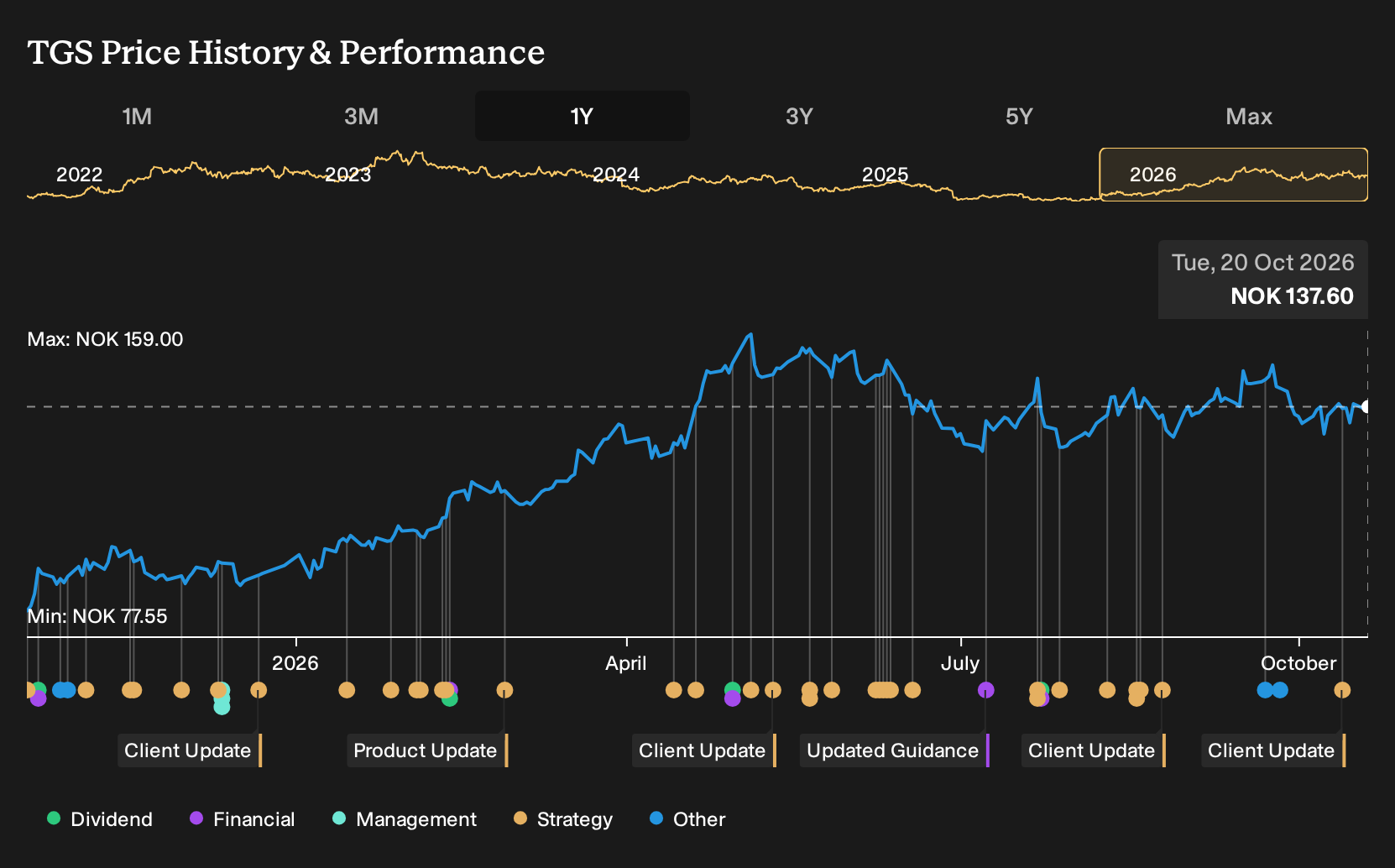
Exploring Other Perspectives
One swing factor that bullish analysts highlight is operating leverage at TGS. Before this Pelotas Sul Phase 2 news, the most optimistic forecasts already had revenue reaching about $1.9b and earnings around $456.3 million by 2029. You can see how a large Brazil survey might nudge that story, or challenge it, so it is worth comparing several viewpoints.
Explore 2 other TGS fair value estimates, including one that suggests potential upside of up to 88% from the current price.
Reach Your Own Conclusion
Don't just follow the ticker. Dig into the data and build a conviction that's truly your own.
- A great starting point for your TGS research is our analysis highlighting 3 key rewards and 2 important warning signs that could impact your investment decision.
- See our latest analysis for TGS. The report includes a comprehensive fundamental analysis summarized in a single visual, the Snowflake, making it easy to evaluate TGS' overall financial health at a glance.
Looking For More Investment Ideas Beyond TGS?
If this Brazil update has you thinking more broadly about where to put fresh capital to work, it can help to scan a wider field of opportunities alongside TGS. The Simply Wall St Screener lets you filter for the traits that matter most to you, from resilient balance sheets to income potential or overlooked quality.
- If capital preservation sits high on your list, focus on businesses with sturdier finances and steadier fundamentals through our list of solid balance sheet and fundamentals (202 results).
- For investors hunting for quality at a sensible entry point rather than chasing momentum, shortlist candidates using the 188 high quality undervalued stocks.
- When predictable cash returns are a priority, narrow your watchlist to income-focused opportunities with the 221 dividend fortresses.
Have feedback on this article? Concerned about the content? Get in touch with us directly. Alternatively, email editorial-team@simplywallst.com