
- PRICING
- LIVE QUOTES
- LEARN
- HELP


EN
3 Crude Shipping Stocks Worth Watching As Tanker Costs Reshape Oil Logistics
Global crude shipping has turned into a high stakes puzzle, with soaring tanker costs, war-risk premiums and rerouted trade flows quietly shifting where profits land along the oil supply chain. That creates both openings and traps for anyone looking at crude tanker and oil logistics stocks exposed to this news. This article walks through 3 stocks from our Global Crude Tanker and Oil Logistics Operators screener that appear positively tied to these freight market catalysts.
The 3 tickers below are just a starting sample, since the full screen surfaced 10 more crude tanker and oil logistics operators with equally compelling narratives that are not covered in this article.
If you want to identify which crude shipping and terminal operators best fit your own risk and return preferences, head straight into the Global Crude Tanker and Oil Logistics Operators screener to analyze the universe and focus on your highest conviction ideas.
Pembina Pipeline (TSX:PPL)
Overview: Pembina Pipeline is a Calgary based midstream operator that moves and stores crude oil, gas and liquids, linking Western Canadian producers to key North American and export markets that can become more important when global seaborne trade routes shift.
Operations: Pembina Pipeline generates about CA$3.5b from Pipelines, CA$1.2b from Facilities and CA$4.3b from Marketing & New Ventures, partly offset by CA$1.0b in eliminations.
Market Cap: CA$41.2b
For crude logistics investors, Pembina Pipeline offers a different angle on the shipping squeeze story, with pipelines, storage and export terminals that can capture changing flow patterns when long haul freight becomes more expensive or less reliable.
"Ongoing build out of large, fee-based projects such as Cedar LNG, the Greenlight Electricity Centre and the Heartland Extraction Plant keeps Pembina Pipeline deploying capital into assets that are expected to add contracted EBITDA once in service. This would support future revenue and cash flow growth.
What really matters now is how one unresolved pressure on its toll economics and balance sheet shapes future margins and growth visibility.
That pressure point is the hinge. Read the full narrative for Pembina Pipeline to see how Pembina Pipeline’s capital program, tolls and risk profile could be quietly decoupling from peers.

Nanjing Tanker (SHSE:601975)
Overview: Nanjing Tanker runs a fleet of crude and product tankers that move oil and other liquid cargoes across Chinese and international routes.
Market Cap: CN¥18.3b
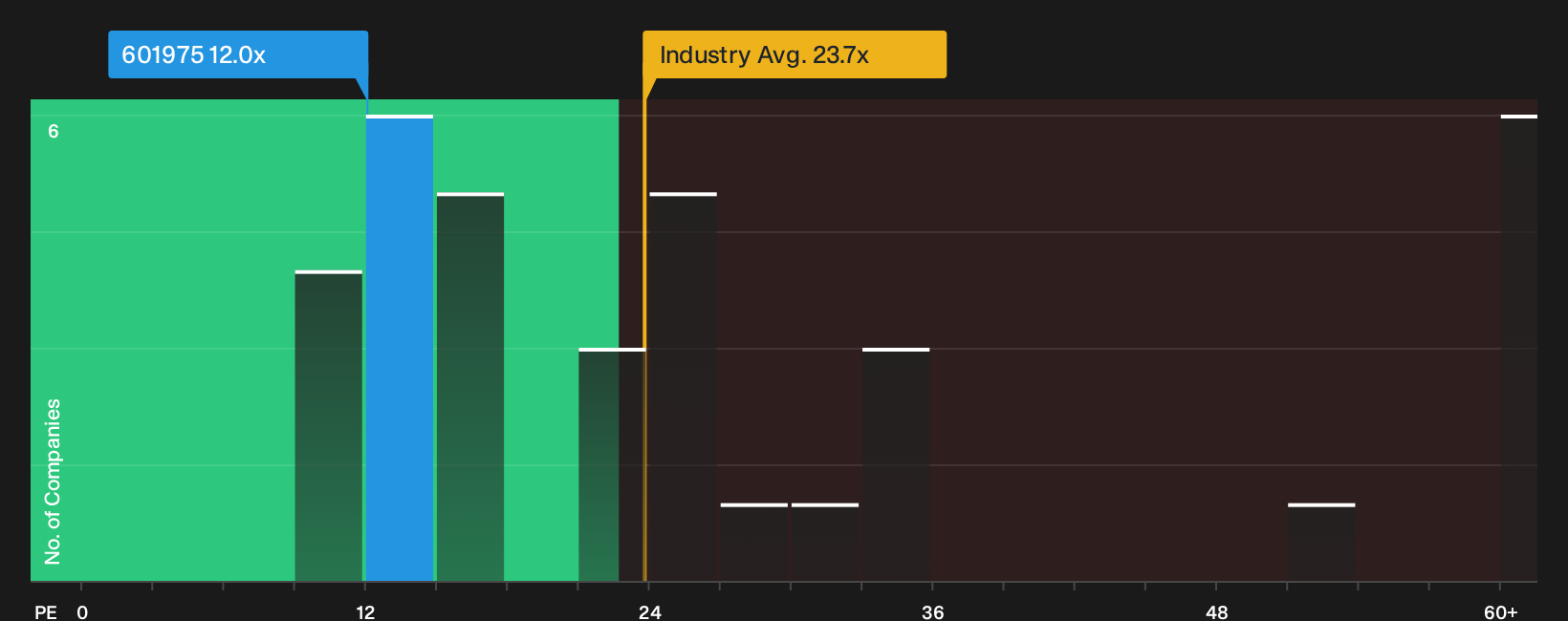
Nanjing Tanker provides targeted exposure to crude shipping economics, with earnings closely tied to freight rates, war-risk premiums and how global oil barrels are rerouted when traditional routes become less reliable or more expensive. Recent profit growth and a P/E around 12x indicate meaningful sensitivity to this freight cycle, depending on how one unseen pressure on tanker day rates and utilization evolves.
That hidden pressure on day rates is exactly what the analysis report for Nanjing Tanker unpacks, so you can see where Nanjing Tanker might be quietly preparing for the next phase of this cycle.
Gibson Energy (TSX:GEI)
Overview: Gibson Energy runs terminals, pipelines, rail facilities and a marketing arm that move and store crude and liquids across North America.
Operations: Gibson Energy generates about CA$12.4b from Marketing, CA$0.7b from Infrastructure and deducts CA$0.3b in inter-segment eliminations, mostly in Canada and the U.S.
Market Cap: CA$5.7b
Gibson Energy matters in this crude tanker and oil logistics screen because its storage and export terminals plug directly into the reshuffled seaborne trade that higher freight costs and war-risk premiums are creating.
"Newly completed capital projects (Gateway dredging, Cactus II connection, Duvernay partnership with Baytex) are materially increasing terminal capacity, crude supply optionality, and throughput. These infrastructure expansions are expected to drive sustained high-margin, fee-based revenue growth and EBITDA as customer volumes ramp over the next several years."
What investors really need to watch now is how one shift in long haul export flows and contract structures filters through Gibson Energy’s margins.
As those export flows reset, read the full narrative for Gibson Energy to see whether Gibson Energy’s expanding terminal network is quietly masking risk or accelerating its advantage.

Seeking Alternatives Before The Crowd
Fresh opportunities do not wait. Freight cycles turn, sentiment shifts and the real breakouts start flying while most investors are still watching headlines. Scan these ideas before the momentum gets fully caught, and act now.
- Spot strong balance sheets early and use the list of solid balance sheet and fundamentals (8 results) to filter for companies that can hold up when weaker peers start dropping.
- Target powerful income streams by scanning the 3 dividend fortresses for high-yield businesses that could keep paying investors even while prices swing around them.
- Ride structural tailwinds in power infrastructure and run through the 42 power grid technology and infrastructure stocks to find operators positioned for long-term grid and electrification upgrades.
This article by Simply Wall St is general in nature. We provide commentary based on historical data and analyst forecasts only using an unbiased methodology and our articles are not intended to be financial advice. It does not constitute a recommendation to buy or sell any stock, and does not take account of your objectives, or your financial situation. We aim to bring you long-term focused analysis driven by fundamental data. Note that our analysis may not factor in the latest price-sensitive company announcements or qualitative material. Simply Wall St has no position in any stocks mentioned.
Have feedback on this article? Concerned about the content? Get in touch with us directly. Alternatively, email editorial-team@simplywallst.com