
- PRICING
- LIVE QUOTES
- LEARN
- HELP


EN
Did Renewed Brexit Talks Just Shift Inchcape (LSE:INCH) Investment Narrative?
- Renewed Brexit talks on UK EU trade rules have refocused attention on Inchcape’s exposure to customs frictions in vehicle distribution and parts flows.
- Investors are weighing how Inchcape’s free cash flow gives management room to fund contract wins, logistics upgrades and compliance with any new border rules.
- We will explore how Inchcape's wider investment narrative intersects with renewed Brexit trade discussions, particularly around its customs exposure.
Scan how Inchcape’s Brexit exposure compares with other financially robust import export plays by running the curated list of solid balance sheet and fundamentals (9 results) that can better absorb trade friction shocks.
Inchcape Investment Narrative Recap
To own Inchcape, you need to be comfortable with a global distributor that leans heavily on emerging markets, OEM relationships and a mix of physical and digital sales infrastructure. The near term story still revolves around how effectively management can turn free cash flow into contract wins, aftermarket growth and cost efficiency, rather than day to day Brexit headlines.
Renewed UK EU trade talks matter more at the margin. They could tweak customs friction around UK related flows, but the most immediate swing factor remains execution in Asia Pacific and the Americas, where competition and demand softness have pressured earnings, alongside the risk that OEMs push harder into direct or agency sales models.
No fresh company announcements tie directly to the latest Brexit discussions, so attention stays on Inchcape’s existing investment and execution themes. The business is already pushing digital parts platforms and aftersales, which aim to make earnings less sensitive to new vehicle import volumes or one off logistics disruption.
Those digital and aftermarket initiatives sit alongside ongoing emerging market expansion and bolt on deals as key operational catalysts. Combined with the flagged issue that debt is not well covered by operating cash flow, this suggests a simple lens for any future update: is management using cash to improve resilience and earnings mix faster than external risks, from FX swings to customs rule changes, can have an impact?
Inchcape Brexit Exposure Through the Analyst Lens
Inchcape's narrative projects £10.1b in revenue and £339.5m in earnings by 2029. That profile rests on analysts assuming 3.4% yearly revenue growth and an earnings increase of about £67.5m from £272.0m today to the £339.5m consensus figure.
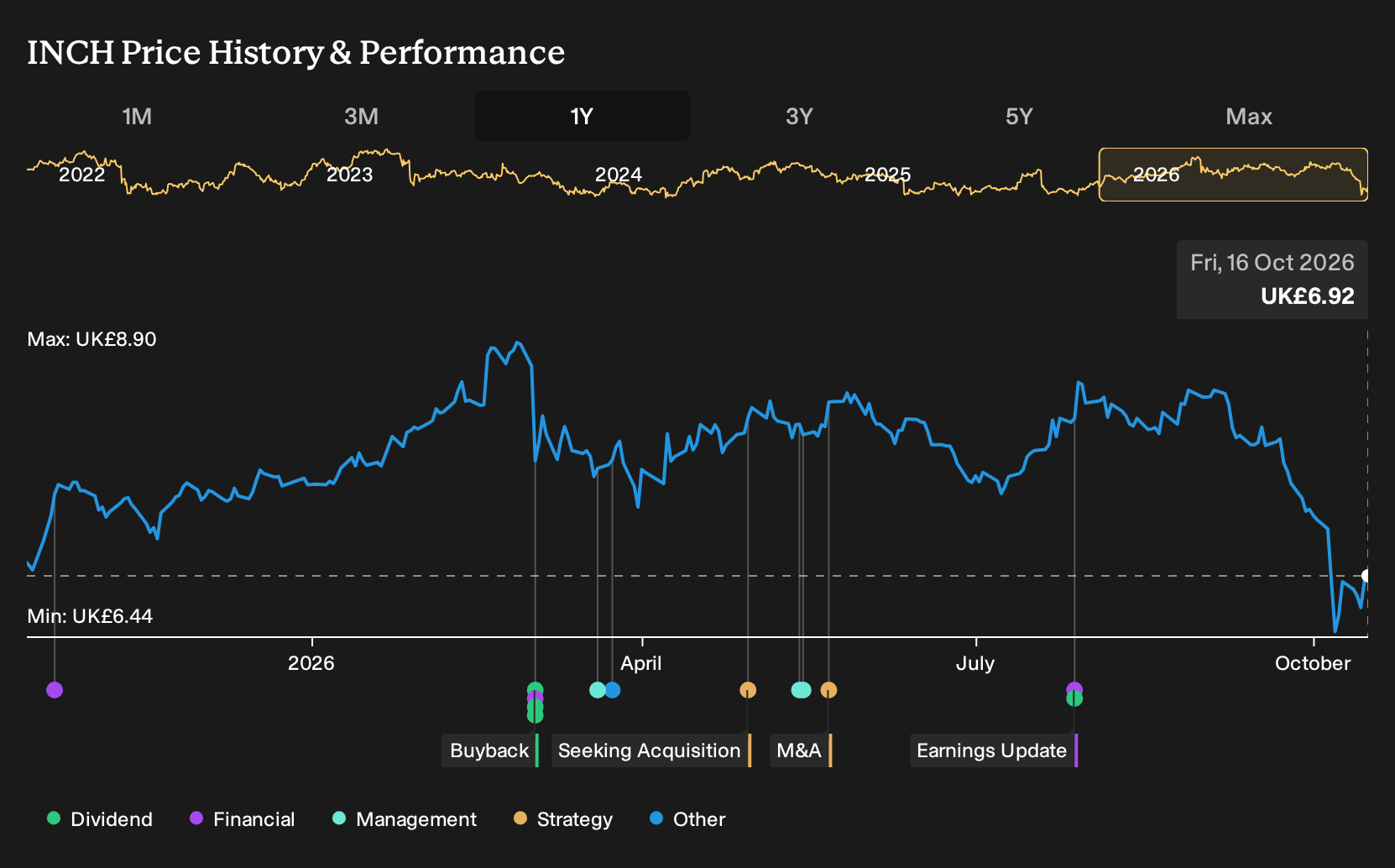
Uncover how Inchcape's fair value indicates a 46% potential upside to its current price that may not last much longer.
Exploring Other Perspectives
Some of the most optimistic analysts lean hard into Inchcape’s free cash flow as the key catalyst, with forecasts for revenue of about £11.3b and earnings of £399.8m by 2029, compared with the £10.1b and £339.5m consensus view. With Brexit trade rules back on the table, both narratives may shift. Test these assumptions for yourself.
Explore 4 other Inchcape fair value estimates, including one that suggests as much as 178% potential upside from the current price.
The Verdict Is Yours
Don't just follow the ticker; dig into the data and build a conviction that's truly your own.
- A great starting point for your Inchcape research is our analysis highlighting 3 key rewards and 3 important warning signs that could impact your investment decision.
- See our latest analysis for Inchcape. The report includes a comprehensive fundamental analysis summarized in a single visual, the Snowflake, making it easy to evaluate Inchcape's overall financial health at a glance.
Looking for more investment ideas beyond Inchcape?
Once you have formed a view on Inchcape, it can help to compare that thesis with other opportunities that share some of the qualities you care about, whether that is balance sheet strength, income potential or room for a market rerating.
- If you value resilience first, check out companies screened for stronger financial footing through the 4 resilient stocks with low risk scores.
- If income is a key part of your plan, scan for businesses with higher yields and more robust payout profiles using the 2 dividend fortresses.
- If you are hunting for mispriced opportunities, broaden your watchlist with the 5 high quality undiscovered gems.
This article by Simply Wall St is general in nature. We provide commentary based on historical data and analyst forecasts only using an unbiased methodology and our articles are not intended to be financial advice. It does not constitute a recommendation to buy or sell any stock, and does not take account of your objectives, or your financial situation. We aim to bring you long-term focused analysis driven by fundamental data. Note that our analysis may not factor in the latest price-sensitive company announcements or qualitative material. Simply Wall St has no position in any stocks mentioned.
Have feedback on this article? Concerned about the content? Get in touch with us directly. Alternatively, email editorial-team@simplywallst.com