
- PRICING
- LIVE QUOTES
- LEARN
- HELP


EN
3 Integrated Oil And Gas Stocks For Investors Watching Brent Above $100
Oil markets are stuck in a high‑stakes squeeze, with war disruptions, strained inventories and $100+ Brent keeping energy in the spotlight. That mix can punish fuel hungry industries while creating fresh possibilities for companies tied to production, transport or refining. This article explains what that backdrop might mean for investors and highlights three integrated oil and gas stocks from our screener that appear especially exposed to the current news driven setup.
The three stocks that follow are only a starter pack, and the full screen on Simply Wall St surfaced 27 more global integrated oil and gas producers with equally compelling narratives that are not covered here. To identify and analyze your own highest conviction ideas across the whole value chain, head straight into the Global Integrated Oil & Gas Producers screener.
Pakistan State Oil (KASE:PSO)
Overview: Pakistan State Oil operates Pakistan wide fuel procurement, storage, distribution and retail networks, supplying petroleum, LNG and related services to government and corporate customers.
Market Cap: PKR164.3b
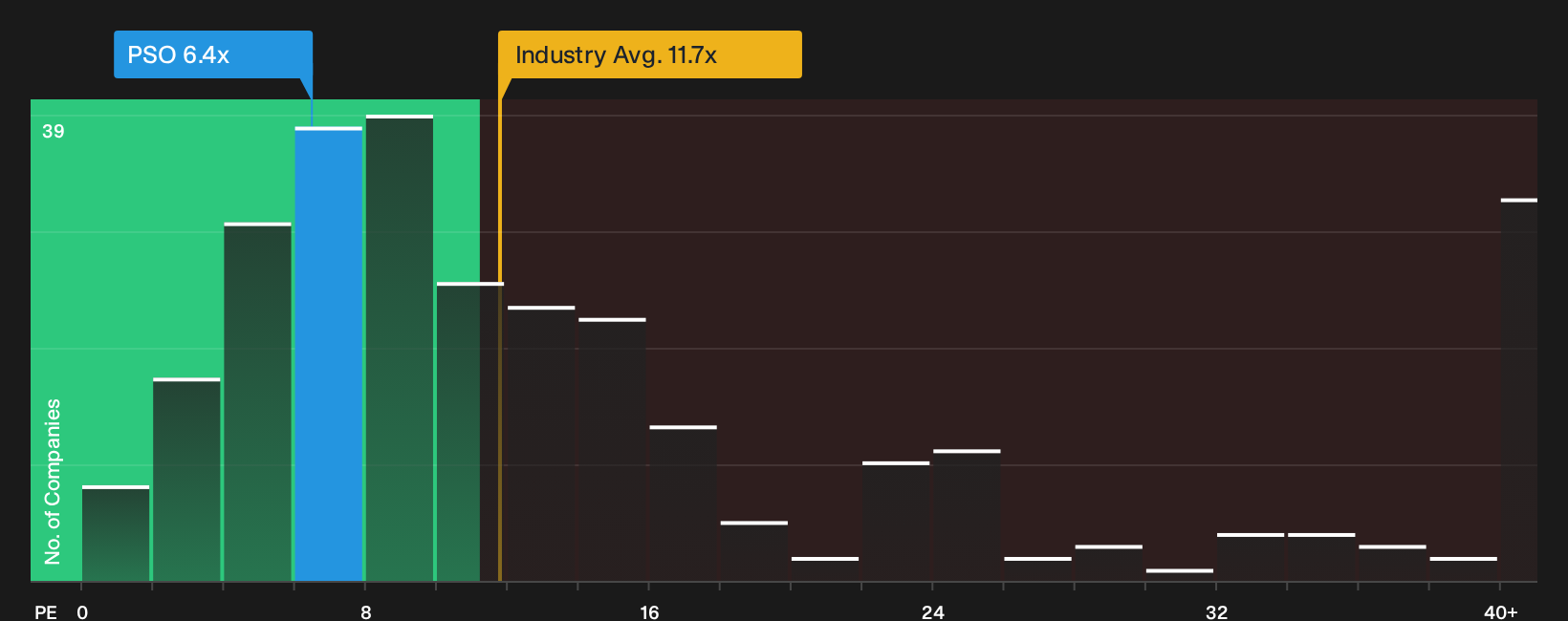
Pakistan State Oil links directly into the screener theme through its scale in downstream marketing, storage and distribution across Pakistan. This gives investors exposure to refined product demand rather than upstream drilling risk. Recent earnings momentum, a P/E below both the local market and Asian oil and gas peers, and tight global supply highlight how one unseen pressure on refined product pricing could matter a lot for margins.
That pricing leverage cuts both ways, so pressure test Pakistan State Oil with the 3 key rewards and 2 important warning signs (1 is major!) before refined margins move again.
Cheniere Energy (LNG)
Overview: Cheniere Energy runs large liquefied natural gas export terminals on the US Gulf Coast, processing gas and loading tankers for global buyers.
Operations: The business generates around US$20.9b of revenue from integrated oil and gas activities, centred on LNG liquefaction and related infrastructure.
Market Cap: US$56.8b
Within a screener focused on large integrated oil and gas players, Cheniere Energy matters because it links US gas supply, liquefaction infrastructure and seaborne exports at scale. This gives you a primarily LNG-focused bridge between producers and consuming regions at a time when security of energy supply is moving back to the forefront.
"Its terminals are on the Gulf of Mexico coast, entirely outside the Strait of Hormuz. While Qatar's production is offline and Middle Eastern supply chains are paralysed, Cheniere's facilities are operating normally, with contracted cargoes loading and departing on schedule."
What happens to Cheniere Energy's long term earnings profile if a single key assumption about LNG contract demand and pricing shifts?
That contract risk cuts both ways, so read the full narrative for Cheniere Energy to see how LNG demand, pricing shifts and capacity decisions could be accelerating or masking the real story.

Chennai Petroleum (BSE:500110)
Overview: Chennai Petroleum is a pure-play Indian refiner producing fuels and lubricants that plug directly into the global oil and gas value chain.
Operations: The business generates about ₹761,971 million in revenue from its petroleum segment, reflecting a heavy concentration in refining and fuel supply.
Market Cap: ₹209.4 billion
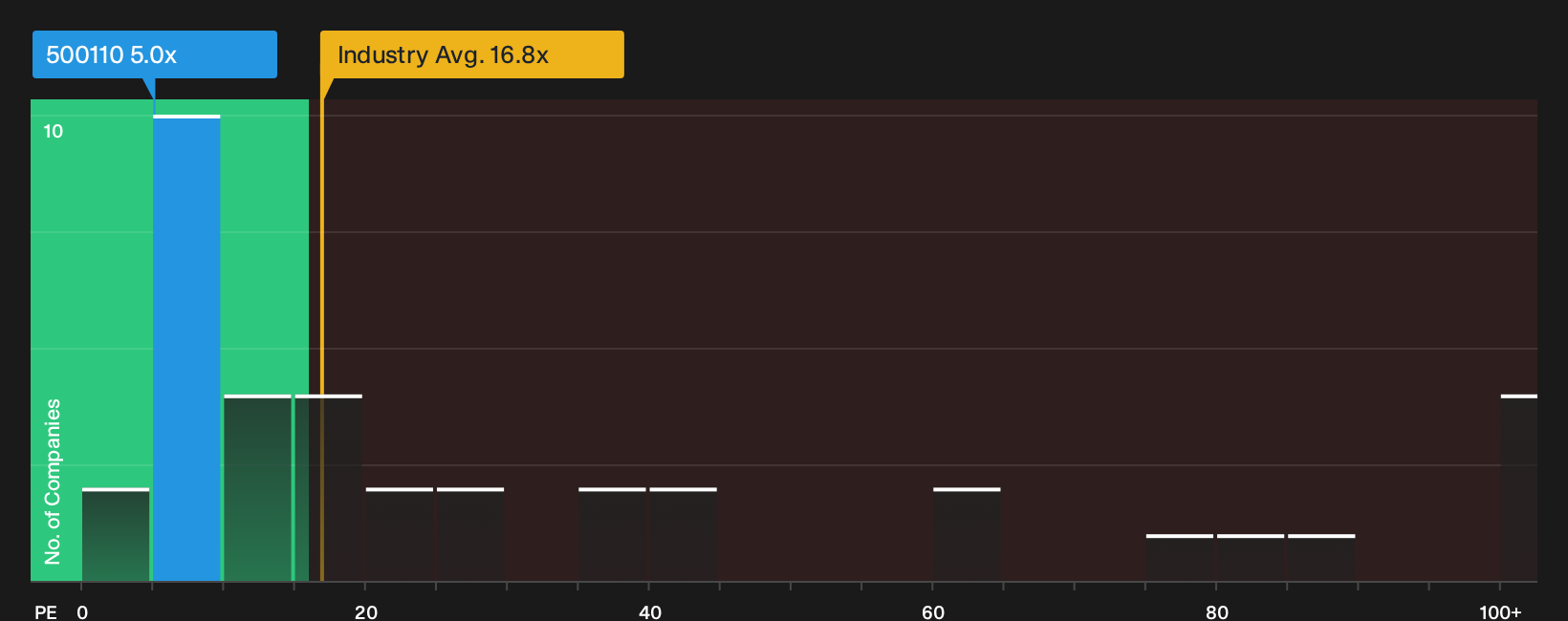
As a downstream refiner within the Global Integrated Oil & Gas Producers theme, Chennai Petroleum provides focused exposure to refining and fuel supply at scale in India. The company combines a low P/E, high ROE and fresh profitability, with margins tied to how one unseen pressure on product cracks and crude sourcing ultimately resolves.
Those moving parts can reshape returns fast, so pressure test that low P/E and ROE trade off with the 4 key rewards and 2 important warning signs while cracks and crude costs keep shifting.
Seeking Fresh Alternatives Before They Fly
Momentum shifts fast and the best breakout ideas rarely stay under the radar for long. Scan these fresh shortlists before the crowd catches up and consider them in your research process.
- Identify smaller opportunities before they start moving by reviewing the 120 elite penny stocks with strong financials that screen strongly on quality and financial strength.
- Monitor where AI-related profits may be developing by looking at the 36 profitable AI stocks that aren't just burning cash that already generate cash instead of primarily consuming capital.
- Review potential power bottleneck themes by using the 39 power grid technology and infrastructure stocks focused on critical grid hardware, software and infrastructure providers.
This article by Simply Wall St is general in nature. We provide commentary based on historical data and analyst forecasts only using an unbiased methodology and our articles are not intended to be financial advice. It does not constitute a recommendation to buy or sell any stock, and does not take account of your objectives, or your financial situation. We aim to bring you long-term focused analysis driven by fundamental data. Note that our analysis may not factor in the latest price-sensitive company announcements or qualitative material. Simply Wall St has no position in any stocks mentioned.
Have feedback on this article? Concerned about the content? Get in touch with us directly. Alternatively, email editorial-team@simplywallst.com