
- PRICING
- LIVE QUOTES
- LEARN
- HELP


EN
3 Regulatory Data Stocks Retail Investors Are Watching Right Now
Regulators are rewriting the rulebook on transparency, trade flows, and data oversight, and that is pulling a specific group of stocks into the spotlight. When rules change, money often follows the information providers who help investors, corporates, and watchdogs keep up. This piece walks through three global trade and regulatory data analytics stocks that are closely tied to the latest policy shifts and explains why their exposure to this news event matters to your portfolio.
The stocks in the list below are just a starter pack, and the full screen surfaced 65 more Global Trade and Regulatory Data Analytics Providers with equally compelling stories that are not covered here. To identify and analyze those extra opportunities with the highest conviction potential, head straight into the Global Trade and Regulatory Data Analytics Providers screener.
Energy One (ASX:EOL)
Energy One plugs directly into the Global Trade and Regulatory Data Analytics Providers theme, because its software and outsourced operations handle the data, compliance workflows, and trading logistics that energy, environmental, and carbon market participants rely on as rules and cross-border flows keep shifting.
Energy One generates about A$69 million of revenue from energy software and services, focused on trading, dispatch, risk, and regulatory workflows across gas, power, and carbon markets, and the stock is valued at roughly A$486 million.
"Once a platform like this is embedded into daily workflows, it tends to be sticky because switching is disruptive and risky, so the model can compound if the company keeps winning customers and expanding usage across existing ones."
What happens to that compounding potential depends heavily on how one unseen pressure shapes the pricing power behind those data driven contracts.
That pressure point is exactly what the full narrative for Energy One unpacks in detail, revealing where pricing power could be accelerating or quietly stalling.

Linedata Services (ENXTPA:LIN)
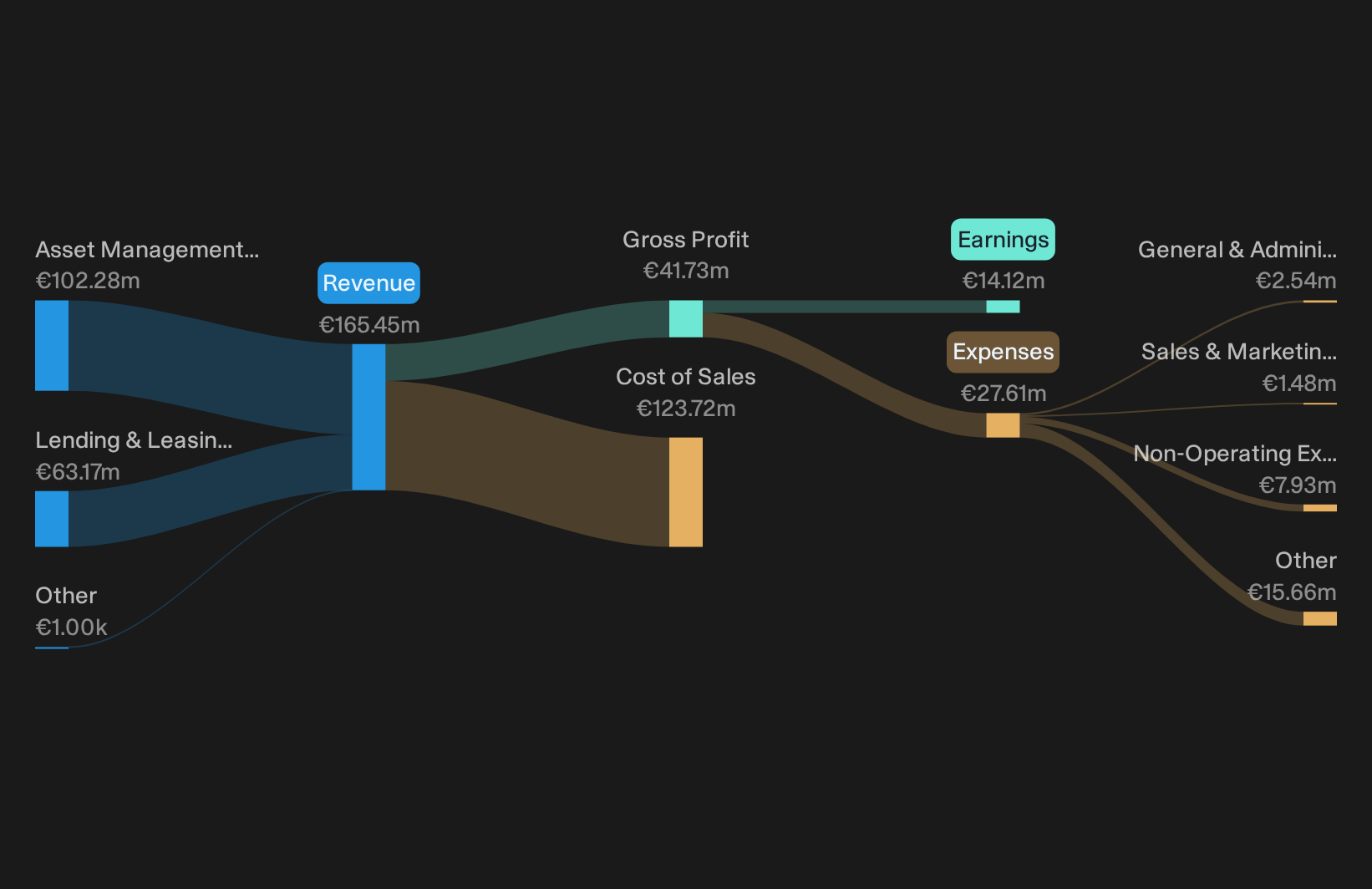
Linedata Services builds software that helps asset managers and lenders handle portfolio, trading, compliance, and regulatory reporting workflows, putting it squarely in the Global Trade and Regulatory Data Analytics Providers theme. It generates about €102 million from Asset Management and €63 million from Lending & Leasing, and the stock is valued at roughly €257 million.
Linedata Services gives investors pure play exposure to the plumbing behind regulatory reporting and investment compliance workflows at a time when rules are tightening and data demands are rising. The business appears relevant for this theme, depending on how one less visible pressure shapes future profitability in its software contracts.
That pressure could either compress or expand what really matters in the next phase of the story, so head to the 3 key rewards and 3 important warning signs to see what might be quietly shifting.
ICRA (NSEI:ICRA)
ICRA is effectively a pipes-and-plumbing play on regulatory data, turning credit information, risk models, and compliance analytics into the kind of structured insight regulators and global investors need as rules keep tightening.
ICRA earns about ₹3.5b from Ratings & Ancillary Services and ₹3.0b from Research & Analytics, with a market value of roughly ₹41.4b.
"Sustained investments in technology, analytics, and automation are starting to enhance operational efficiency, lower unit costs, and allow ICRA to maintain high profitability even amidst margin pressures. This points to further margin expansion driven by operating leverage."
What really matters next is how one unresolved competitive pressure shapes the pricing power behind those data heavy contracts.
That pricing power question is exactly what the full narrative for ICRA unpacks, showing where ICRA’s operating leverage could quietly be accelerating or at risk of stalling.

Curious About Alternatives You Might Be Missing
Fresh themes are emerging while attention remains focused on the same tickers. Momentum can shift quickly and early data insights may not last. Explore new ideas before they become widely followed.
- Identify potential turnaround stories with strong balance sheets before momentum headlines catch up by reviewing the curated list of solid balance sheet and fundamentals (12 results).
- Follow developing leadership in automation as capital moves toward smarter production by scanning the hand picked 89 robotics and automation stocks.
- Monitor income focused opportunities while yields receive less attention by running through the curated 3 dividend fortresses.
This article by Simply Wall St is general in nature. We provide commentary based on historical data and analyst forecasts only using an unbiased methodology and our articles are not intended to be financial advice. It does not constitute a recommendation to buy or sell any stock, and does not take account of your objectives, or your financial situation. We aim to bring you long-term focused analysis driven by fundamental data. Note that our analysis may not factor in the latest price-sensitive company announcements or qualitative material. Simply Wall St has no position in any stocks mentioned.
Have feedback on this article? Concerned about the content? Get in touch with us directly. Alternatively, email editorial-team@simplywallst.com