
- PRICING
- LIVE QUOTES
- LEARN
- HELP


EN
3 Brazil Stocks Retail Investors Are Watching After The Election Shift
Brazil’s election just delivered a strong first round for Flávio Bolsonaro and a louder message from voters about tighter budgets, leaner government and market friendly reforms. That mix has put local assets back in the spotlight and raised the stakes for anyone exposed to Brazil’s domestic story. This article walks through three stocks from our screener that appear especially sensitive to this political turn, and explains why their next chapter may matter to your portfolio.
The stocks covered below are only a sample from this theme, and the full screen surfaced 7 more Brazilian financials and large-cap domestic cyclicals with equally compelling narratives that are not discussed here. If you want to identify potential high-conviction ideas faster, head straight to the Brazilian financials and large-cap domestic cyclicals screener.
Energisa (BOVESPA:ENGI11)
Energisa connects directly to the Brazilian financials and large-cap domestic cyclicals theme as a national-scale utility tied to household and industrial power use, giving investors a way to gain exposure to policy driven shifts in growth, funding costs and local demand.
Energisa is a Brazilian energy group focused on electricity distribution, transmission and generation, plus natural gas and related services, with its performance tied to domestic demand and policy. Most revenue comes from electricity distribution at R$32.3b, with smaller streams from commercialization at R$2.0b, transmission at R$1.1b, gas distribution at R$779m and hydraulic, solar and distributed generation at R$742m. The company has a market value of about R$21.1b.
"Electricity demand across Energisa's concession areas is expanding faster than the national average, supporting volume gains in distribution that have increased revenue and operating leverage over time."
What matters now is how one less visible pressure shapes the gap between that operating leverage story and future profit margins.
To see how that pressure could reshape Energisa’s risk and opportunity profile, read the full narrative for Energisa for the full story on what might be accelerating or stalling next.

JSL (BOVESPA:JSLG3)
JSL plugs directly into the Brazilian financials and large-cap domestic cyclicals theme as a logistics specialist for commerce and industry, so any shift in domestic demand, investment or financing conditions tends to ripple quickly through its trucks, warehouses and contracts.
JSL runs cargo transport, warehousing, internal logistics and urban distribution across Brazil, generating about R$9.8b from logistics operations and giving investors pure exposure to domestic activity. The group, controlled by Simpar, has a market value of roughly R$2.4b.
"High financial leverage, with net debt at R$5.8 billion and leverage at 3.18 times EBITDA, leaves JSL exposed to continued high interest rates and tighter credit markets, which could affect net income and limit future earnings growth."
The key issue now is how any change in the broader rate and demand backdrop filters through to pricing power and margins.
That pressure point is exactly where the story gets interesting, and the full narrative for JSL shows how JSL could turn heavy leverage into accelerating cash flow momentum.
Cosan (BOVESPA:CSAN3)
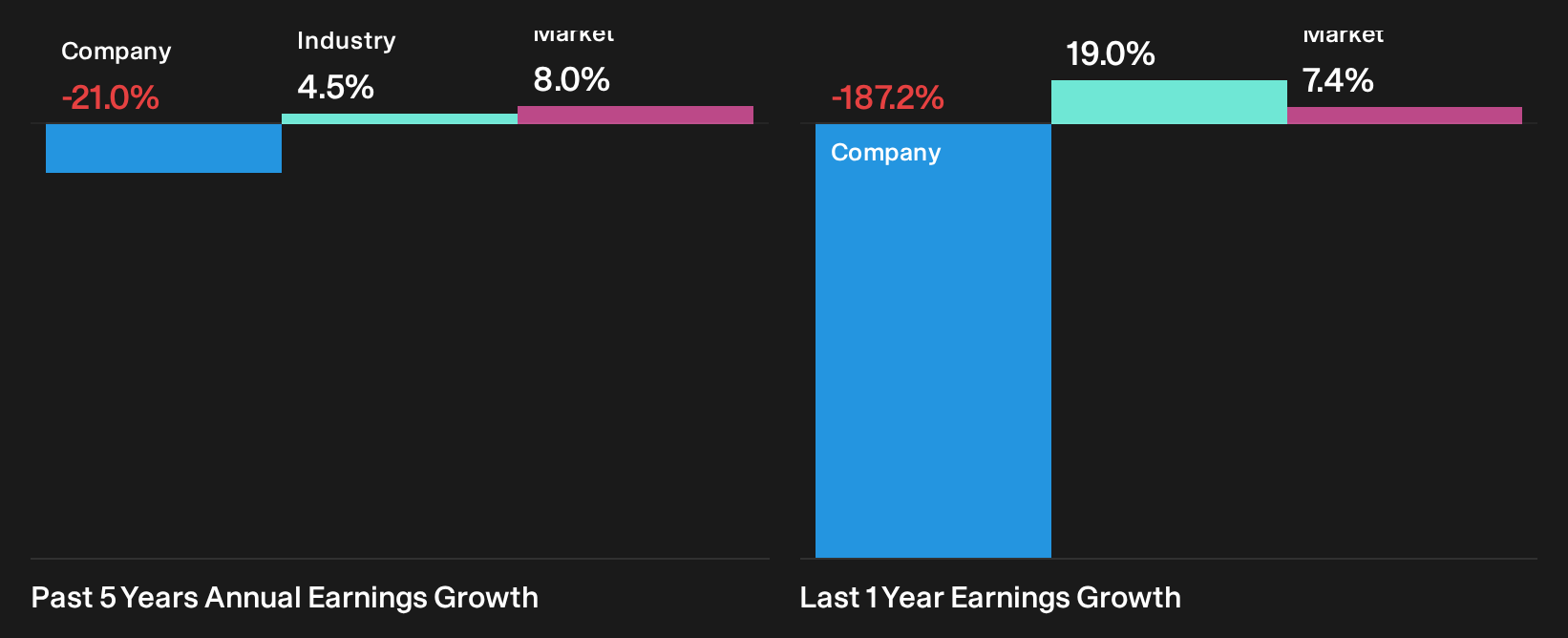
Cosan ties directly into the Brazilian financials and large-cap domestic cyclicals theme as a fuel distribution, gas and infrastructure group, generating about R$15.2b from Compass, R$14.4b from rail operator Rumo, R$10.0b from lubricant arm Moove and holding a market value near R$16.3b.
For investors focused on Brazil’s rate sensitive, domestic economy plays, Cosan offers a mix of fuel, gas and logistics exposure. In this context, better policy and funding conditions can quickly change what each real of capital invested is worth.
"Portfolio optimization through the partial divestiture and recycling of non-core assets is designed to accelerate deleveraging and reduce holding company debt, which should decrease interest expense and bolster net income and free cash flow."
The real swing factor is how one still unresolved decision on capital allocation influences future pricing power and cash generation across the portfolio.
That capital call is exactly where Cosan’s story shifts, and the full narrative for Cosan shows how capital recycling, leverage and cash generation could be quietly decoupling from headline risk.

Seeking Alternatives Before The Crowd
Fresh themes move first, then the breakout momentum gets caught by everyone else. Scan these ideas while they are still under the radar for now and consider your options early.
- Spot cash generators early by reviewing the list of solid balance sheet and fundamentals (207 results) that highlights businesses with resilient finances before momentum pulls valuations higher.
- Target durable income streams through the 164 dividend fortresses that focuses on companies prioritizing steady payouts while prices are not yet flying away.
- Ride structural tech momentum using the 90 AI infrastructure stocks that tracks enablers of AI build outs before stronger demand drops the supply of attractively priced opportunities.
This article by Simply Wall St is general in nature. We provide commentary based on historical data and analyst forecasts only using an unbiased methodology and our articles are not intended to be financial advice. It does not constitute a recommendation to buy or sell any stock, and does not take account of your objectives, or your financial situation. We aim to bring you long-term focused analysis driven by fundamental data. Note that our analysis may not factor in the latest price-sensitive company announcements or qualitative material. Simply Wall St has no position in any stocks mentioned.
Have feedback on this article? Concerned about the content? Get in touch with us directly. Alternatively, email editorial-team@simplywallst.com