
- PRICING
- LIVE QUOTES
- LEARN
- HELP


EN
3 Energy Security Stocks Retail Investors May Be Missing Right Now
Energy security is back on the front page as conflicts disrupt supply routes, inflation lingers and central banks weigh their next rate moves. That mix is reshaping where capital flows. Investors who ignore it risk missing areas that could draw attention if supply security and infrastructure spending stay in focus. This article unpacks the backdrop and then walks through 3 specific stocks exposed to these headlines.
The stocks covered next are a small sample of the Global Energy Security and Infrastructure Stocks idea, and the full screen surfaced 8 more large, pipeline and terminal focused businesses with equally compelling stories that are not discussed here. To identify your own highest conviction angles in this theme, head straight into the Global Energy Security and Infrastructure Stocks screener
Yantai Jereh Oilfield Services Group (SZSE:002353)
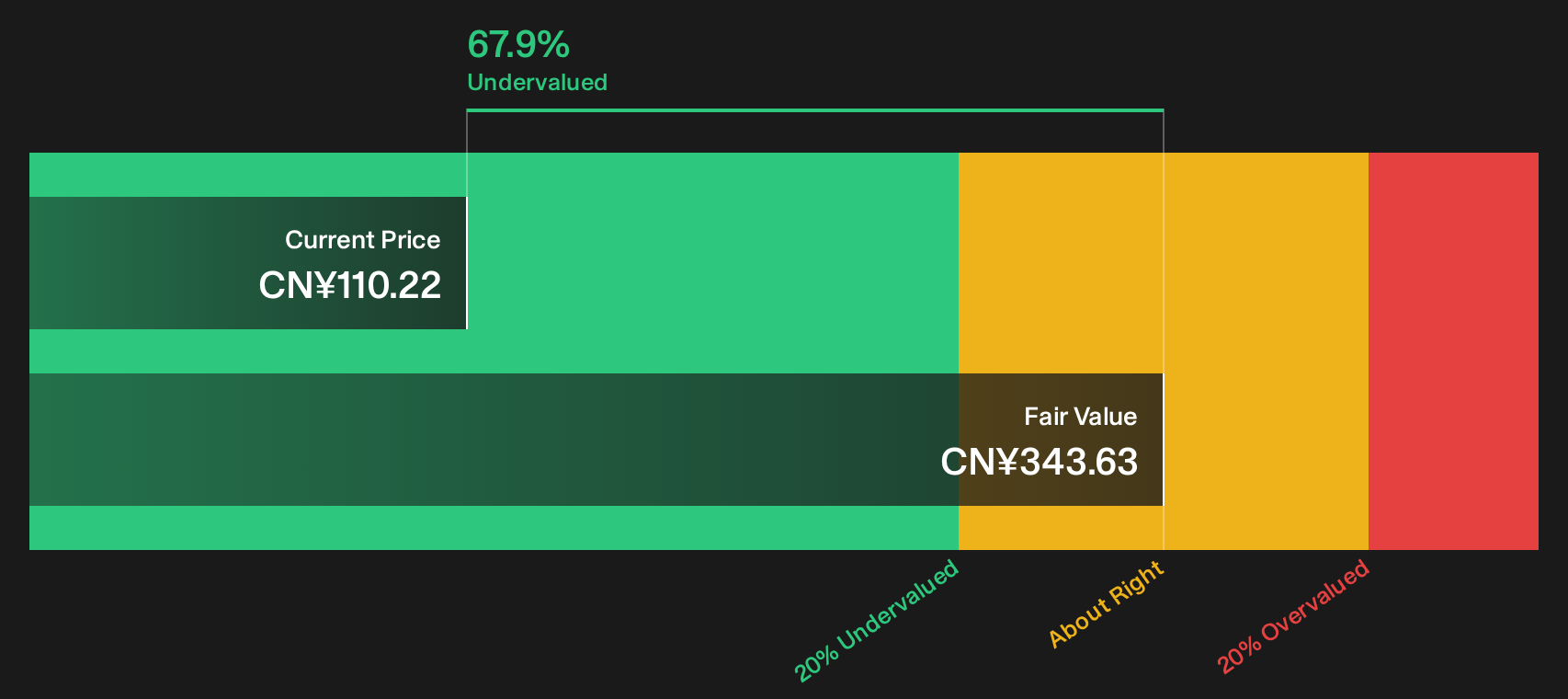
Yantai Jereh Oilfield Services Group supplies oilfield equipment, engineering and services that help keep oil and gas output and related midstream infrastructure running, which fits neatly with an energy security theme. Most revenue comes from the Oil and Gas Industry segment at about CN¥15.8b, and roughly CN¥1.2b comes from New Energy and Recycling. The group’s equity value is about CN¥112.5b.
For investors focused on energy security infrastructure, Yantai Jereh Oilfield Services Group provides exposure to equipment and services that support global oil and gas capacity, along with a smaller new energy and recycling arm. The key question is how its funding structure shapes pricing power and profitability if a single pressure on project financing changes direction.
That funding question is exactly what the Yantai Jereh Oilfield Services Group financial health report starts to unpack so you can judge whether financing pressure is masking resilience or fragility.
Energy Services of America (ESOA)
Energy Services of America focuses on building and maintaining U.S. pipelines and related facilities that keep energy moving, which fits cleanly with an energy security and midstream infrastructure theme. The group earns about $269 million from Underground Infrastructure Construction, $151 million from Industrial work and $48 million from Building Construction, all in the United States, and has a market cap near $208 million.
Energy Services of America provides direct exposure to U.S. pipeline and energy facility construction at a time when supply security is in the spotlight. The company is supported by forecast earnings growth that is well above revenue trends and a recent return to profitability. However, the key issue is how one pressure on margins and cash generation develops.
If that margin pressure is the swing factor, the 3 key rewards and 1 important warning sign shows where Energy Services of America could be underpriced or already incorporating the risk.

Cactus (WHD)
Cactus supplies pressure control equipment and spoolable pipe that help keep wells producing and hydrocarbons flowing, which ties directly into the energy security and infrastructure theme. Most revenue comes from Pressure Control at about $991 million, with roughly $375 million from Spoolable Technologies, and the business is valued near $5.0b.
Cactus links the energy security story back to the hardware that actually keeps wells safe, connected and flowing, making its pressure control systems and spoolable pipe a direct play on investment in resilient oil and gas infrastructure.
"The acquisition of a majority interest in Baker Hughes' Surface Pressure Control business will significantly expand Cactus' geographic footprint and customer base into the Middle East, an area poised for long-term energy infrastructure investment and supply security."
What really matters now is how pressure on profitability evolves if energy security spending and project timing do not move in lockstep.
When profitability hinges on that timing mismatch, the full narrative for Cactus explains how Cactus could turn project cycles, integration risk and energy security spending into accelerating earnings power.

Curious About What You Might Be Missing?
Fresh ideas move first. By the time every headline catches on, early entry points are gone, momentum is flying and pricing power is already shifting, so consider getting in early.
- Target rock-solid balance sheets before they are widely recognized by screening for quietly resilient businesses through the list of solid balance sheet and fundamentals (207 results).
- Track future-facing automation demand by scanning the curated universe of industrials and enablers inside the 90 robotics and automation stocks.
- Spot potential breakout yield opportunities while they are still under the radar for now by zeroing in on income ideas within the 159 dividend fortresses.
This article by Simply Wall St is general in nature. We provide commentary based on historical data and analyst forecasts only using an unbiased methodology and our articles are not intended to be financial advice. It does not constitute a recommendation to buy or sell any stock, and does not take account of your objectives, or your financial situation. We aim to bring you long-term focused analysis driven by fundamental data. Note that our analysis may not factor in the latest price-sensitive company announcements or qualitative material. Simply Wall St has no position in any stocks mentioned.
Have feedback on this article? Concerned about the content? Get in touch with us directly. Alternatively, email editorial-team@simplywallst.com