
- PRICING
- LIVE QUOTES
- LEARN
- HELP


EN
How Investors May Respond To Arteris (AIP) Multi Die Chiplet Expansion
- Arteris recently expanded its multi-die network-on-chip portfolio with FlexGen Multi-Die, extending NoC connectivity across chiplet-based architectures for AI, HPC and consumer electronics while supporting bidirectional transactions over a single UCIe PHY to reduce PHY area, power and I/O requirements.
- This broader multi-die suite links FlexGen and Ncore with Magillem integration automation and Cycuity security assurance. It positions Arteris as a key enabler of chiplet adoption by reducing design complexity and helping engineering teams reuse architectures across multiple dies.
- We will now examine how Arteris' expanded FlexGen multi-die offering could influence the investment narrative around chiplet-driven AI demand.
Scan beyond Arteris and size up other chip and AI infrastructure plays with the 88 AI infrastructure stocks that could benefit as more designs shift toward multi-die architectures.
Arteris Investment Narrative Recap
To own Arteris, you need to believe that chiplet adoption and AI centric designs keep expanding the role of its network on chip and integration software, and that the current spending on R&D eventually supports a larger licensing base. The FlexGen Multi Die launch fits that belief by aligning the product set more clearly with non coherent AI and HPC projects that are already leaning into multi die layouts.
The near term swing factor still looks like execution on large customer deals while keeping operating losses in check, given management projects a non GAAP operating loss in 2025. That has not changed. Customer concentration, rising costs and the risk of big chipmakers using internal fabrics remain the key threats despite this broader multi die portfolio.
Among past triggers, the AMD agreement is the clearest reference point for how Arteris might turn its FlexGen Multi Die announcement into real usage across AI centric programs. That earlier win showed that large customers can selectively use Arteris IP for non coherent tasks alongside their own coherent fabrics, which matches the design space FlexGen Multi Die targets.
For you as an investor, the link between that AMD type engagement and the new product is simple. If Arteris can repeat that pattern with more chip designers, the expanded suite could support the revenue growth forecasts analysts are modeling, while still leaving the core risks intact around profitability timing, stock based dilution and the possibility of customers shifting to in house NoC solutions.
Arteris' narrative points to forecast revenue of $163.3 million and earnings of $18.5 million by 2029. That profile assumes 24.5% yearly revenue growth and an earnings improvement of about $58 million from a current loss of $39.5 million.
Uncover why Arteris' fair value indicates a 77% potential upside to its current price, which could narrow quickly.
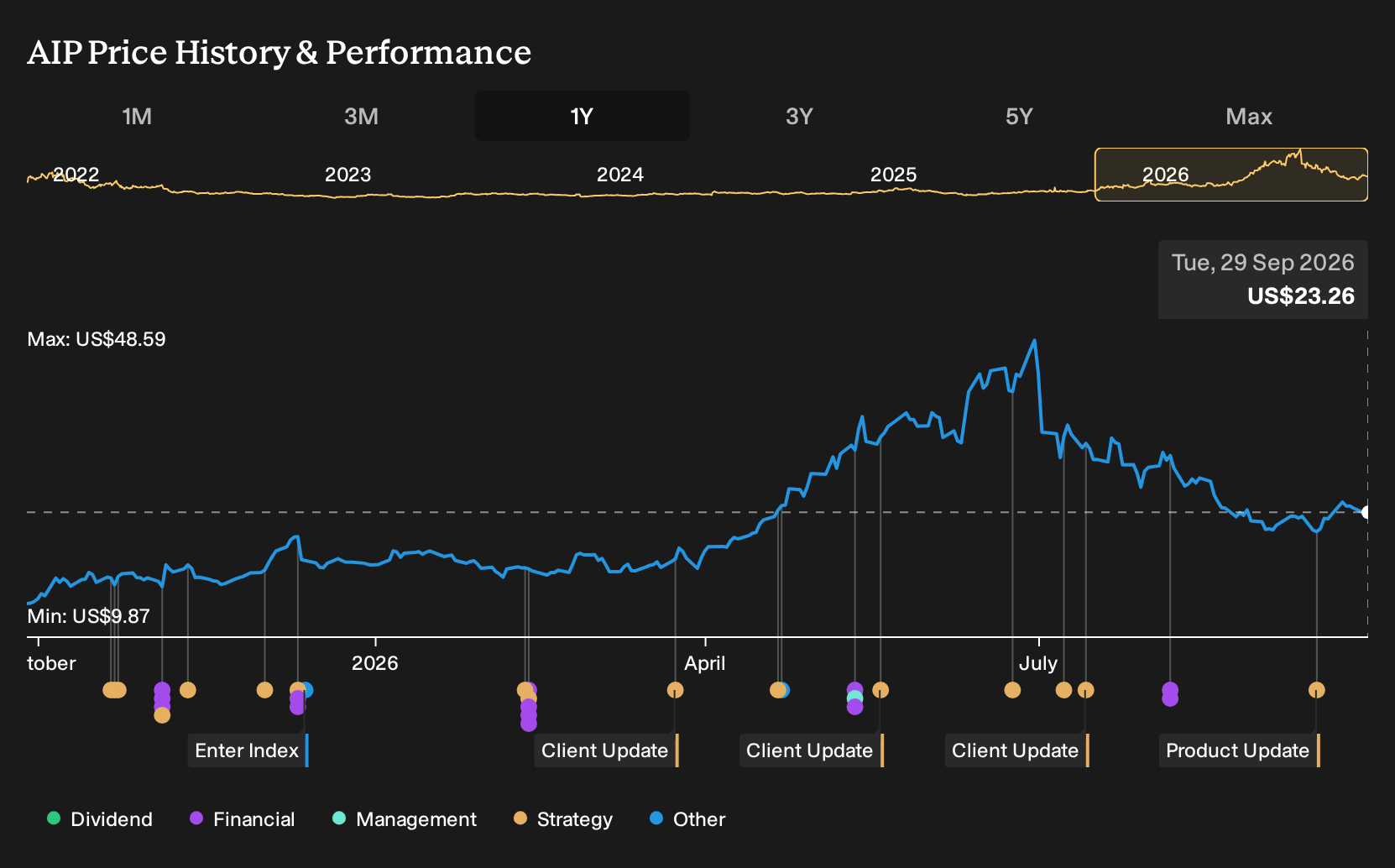
Exploring Other Perspectives
One alternate view leans hard into the chiplet surge as a catalyst. In that more optimistic script, Arteris rides faster outsourcing and larger AMD style wins, with bullish analysts previously modeling revenue of about $190.3 million and earnings of $28.6 million by 2029. Those forecasts predate this FlexGen Multi-Die news, so opinions may shift.
Explore 4 other Arteris fair value estimates, including one that suggests there could be as much as 122% upside from the current price.
Form Your Own Verdict
Don't just follow the ticker; dig into the data and build a conviction that's truly your own.
- A great starting point for your Arteris research is our analysis highlighting 3 key rewards and 4 important warning signs that could impact your investment decision.
- See our latest analysis for Arteris. The report includes a comprehensive fundamental analysis summarized in a single visual, the Snowflake, making it easy to evaluate Arteris' overall financial health at a glance.
Looking for more investment ideas beyond Arteris?
Once you understand where Arteris might fit in your portfolio, it often helps to scan a wider field of opportunities and compare business models, balance sheets and risk profiles side by side.
- For readers hunting for potential high upside in the smaller end of the market, start by reviewing a curated set of 9 elite penny stocks with strong financials that already clear basic financial quality checks.
- If resilience matters more than excitement for you, focus on companies screened for stronger finances and lower overall risk using a 32 resilient stocks with low risk scores that filters out weaker balance sheets and fragile earnings profiles.
- Investors who want sturdier fundamentals can prioritize businesses with healthier leverage and funding positions by scanning a list of solid balance sheet and fundamentals (25 results) that narrows the field to sturdier financial structures.
This article by Simply Wall St is general in nature. We provide commentary based on historical data and analyst forecasts only using an unbiased methodology and our articles are not intended to be financial advice. It does not constitute a recommendation to buy or sell any stock, and does not take account of your objectives, or your financial situation. We aim to bring you long-term focused analysis driven by fundamental data. Note that our analysis may not factor in the latest price-sensitive company announcements or qualitative material. Simply Wall St has no position in any stocks mentioned.
Have feedback on this article? Concerned about the content? Get in touch with us directly. Alternatively, email editorial-team@simplywallst.com