
- PRICING
- LIVE QUOTES
- LEARN
- HELP


EN
Shell Stock And 2 Diesel Exporters In Focus If Global Fuel Flows Tighten
A possible US diesel export ban has pushed fuel trade flows into the spotlight, as energy policy risk meets already tight middle distillate markets and leaves global industries bracing for higher freight and inflation pressure. For investors, that kind of shock can quickly reprice companies tied to diesel supply routes, both positively and negatively. This article unpacks the story and profiles 3 stocks that sit squarely in the path of this news.
The three stocks below are a small sample of what this diesel trade idea surfaces. The full Simply Wall St screen picked up 27 more non US refiners and fuel exporters with equally strong storylines that are not covered here. If you want to go beyond this preview and identify your own angles on the theme, head straight to the Non-US Diesel Exporters and Refiners screener to filter, analyze, and target the highest conviction non US diesel plays.
Shell (LSE:SHEL)
Shell is included in this non US diesel exporters and refiners theme because its global refining, trading and LNG network gives it leverage to any squeeze in middle distillate flows, while still being anchored in a broad, integrated energy business model.
Shell generates most of its revenue from Marketing at about US$135b and Chemicals and Products at roughly US$132b, with Integrated Gas and Upstream adding close to US$49b and US$44b respectively, and Renewables and Energy Solutions contributing around US$42b. The group is a global energy and petrochemical major with operations across fuels, LNG, chemicals, power and low carbon solutions, and has a market value near £207.1b.
Shell's "LNG Outlook 2025" report shows that global LNG trade increased by only 3 million tons in 2024, reaching 407 million tons, indicating limited supply. In contrast, demand, led by China and India in Asia and Europe seeking alternatives to Russian gas, continues to keep the market tight.
For investors in the diesel trade theme, what happens when one quiet shift in Shell’s global fuel pricing power feeds through to margins will matter a lot.
That pricing power story is only the start, and the full narrative for Shell shows how Shell’s diesel leverage could be quietly reshaping cash flows and risk for long term holders.

Rabigh Refining and Petrochemical (SASE:2380)
Rabigh Refining and Petrochemical runs an integrated Saudi refinery and petrochemicals complex that fits the non US diesel exporters theme, supplying fuels and chemicals into the Middle East, Asia Pacific and beyond. Refined products generate about SAR43.9b of revenue, petrochemicals about SAR11.2b, and the stock carries a roughly SAR37.8b market value.
Rabigh Refining and Petrochemical links large scale diesel and middle distillate output to export markets that could tighten if a US ban bites, with the complex already profitable and trading well below some fair value estimates. The question is what happens when that export role intersects with shifting global diesel pricing power.
That pricing crossover is where things start to get interesting, and the 3 key rewards and 3 important warning signs (2 are major!) shows how Rabigh Refining and Petrochemical’s export role could be quietly repriced by markets.

S-Oil (KOSE:A010950)
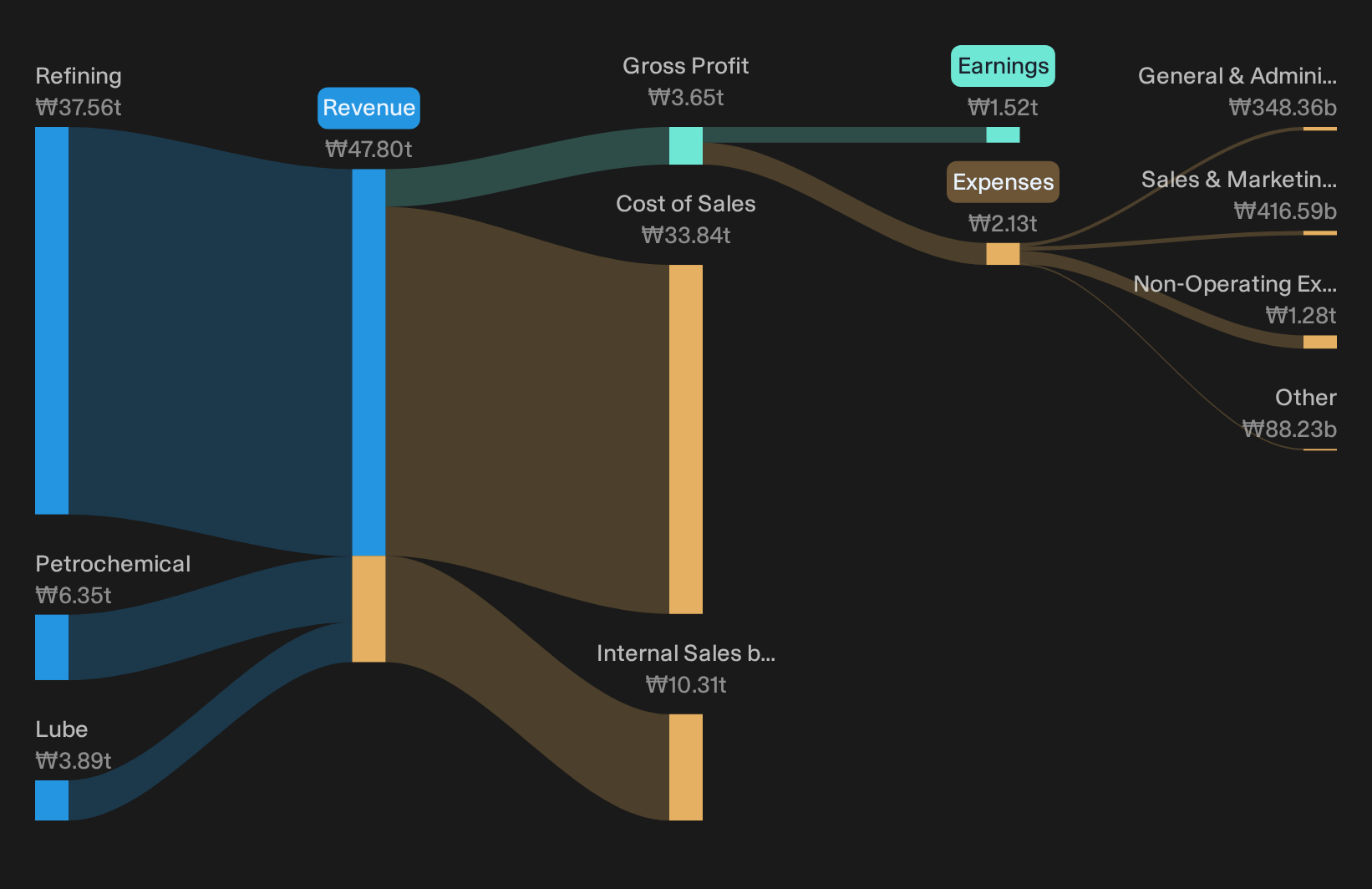
S-Oil is a key Non-US Diesel Exporters and Refiners screener candidate, operating a large South Korean refinery that ships diesel and other middle distillates across Asia and beyond, with most of its ₩35.6t business coming from refining, plus lube and petrochemical products, and a roughly ₩18.6t market cap.
For investors watching how a potential US diesel export ban could shift pricing power toward Asian exporters, S-Oil places that theme into sharp focus and ties it directly to one of the region’s largest refining hubs.
"With world-class energy efficiency and over 80 percent internal feedstock sourcing, S-Oil's cost structure could support competitive margins and a relatively early inflection in EBITDA as soon as commissioning begins in late 2026."
The key variable is how a persistent squeeze in middle distillate supplies interacts with that cost position and influences future diesel margins.
That margin question is only the beginning, and the full narrative for S-Oil explains how S-Oil’s diesel exposure could accelerate or cap its next chapter for long term investors.
Seeking Fresh Alternatives Before They Fly
Fresh breakouts and early momentum often get caught quickly by the crowd. Scan these under the radar ideas while it matters, before prices start flying and consider reviewing them promptly.
- Spot cash rich balance sheets before everyone else by scanning the curated list of solid balance sheet and fundamentals (10 results) that filters for resilient businesses with robust fundamentals.
- Track miners tied to metal demand cycles with the focused 16 top copper producer stocks and see which producers markets may be underrating right now.
- Consider compounding income by reviewing the hand picked 1 dividend fortresses that highlights businesses pairing elevated yields with solid underlying financial profiles.
This article by Simply Wall St is general in nature. We provide commentary based on historical data and analyst forecasts only using an unbiased methodology and our articles are not intended to be financial advice. It does not constitute a recommendation to buy or sell any stock, and does not take account of your objectives, or your financial situation. We aim to bring you long-term focused analysis driven by fundamental data. Note that our analysis may not factor in the latest price-sensitive company announcements or qualitative material. Simply Wall St has no position in any stocks mentioned.
Have feedback on this article? Concerned about the content? Get in touch with us directly. Alternatively, email editorial-team@simplywallst.com