
- PRICING
- LIVE QUOTES
- LEARN
- HELP


EN
Is RTX (RTX) Undervalued After Fresh Engine And Defense Wins?
RTX Corporation has seen its share price move around recently, yet the core question for anyone looking at RTX today is whether the current US$188.61 price tag still lines up with the cash flows the business is expected to generate.
- The stock has gained 178.1% over the past 3 years, which puts a lot of weight on the idea that RTX's future cash flows can justify that kind of long run share price change.
- Fresh engine deals and defense programs at Pratt & Whitney and Raytheon, including new production licensing, airline engine deliveries, MRO contracts and facility expansion, may support expectations for longer term cash generation and capital investment needs across RTX's aerospace and defense portfolio.
- If you'd rather focus on earnings, this one's for you. See why RTX's 32.9x P/E tells a different valuation story.
The issue now is whether RTX's current share price is appropriately supported by its cash flows when assessed against a Discounted Cash Flow (DCF) view of intrinsic value.
If you want to stress test the same cash flow question that RTX faces across a broader set of companies, take a look at 30 high quality undervalued stocks.
Does RTX Look Undervalued on Cash Flow?
The Discounted Cash Flow (DCF) approach here takes RTX's projected future free cash generation and asks what it is worth in today's dollars. RTX is currently producing last twelve month free cash flow of about $10.6b, and the model assumes that this cash figure grows over time rather than shrinking.
Analyst inputs show free cash flow expected to climb from current levels to higher amounts by 2030, with a second stage that tapers growth as the aerospace and defense operations mature. Because these projected cash flows, when discounted back, still point to an intrinsic value meaningfully above the current $188.61 share price, the DCF framework suggests the market is not fully reflecting RTX's cash profile. The record $289b backlog and fresh engine and defense agreements help explain why long term cash expectations in the model remain robust even if the quoted price has not kept pace. Find out what RTX could be worth using our Discounted Cash Flow (DCF) estimate.
The RTX Narrative: What Would Justify Today's Price?
Narratives on Simply Wall St extend the RTX valuation puzzle by spelling out which paths for growth, margins and earnings would need to play out for the stock to be worth meaningfully more or less than today's price. They sit on the Community page. Each scenario ties its number to a clear view on how RTX's growth, profitability and risk profile might evolve, giving you a concrete reference point to revisit as new information comes through.
One of the top community narratives on RTX: 20% undervalued
Expansion in high margin commercial aerospace aftermarket activity, such as 25% commercial aftermarket sales growth at Pratt & Whitney in Q2 2026…
Discover why this Narrative puts RTX at 20% undervalued.
One more RTX question the valuation cannot answer
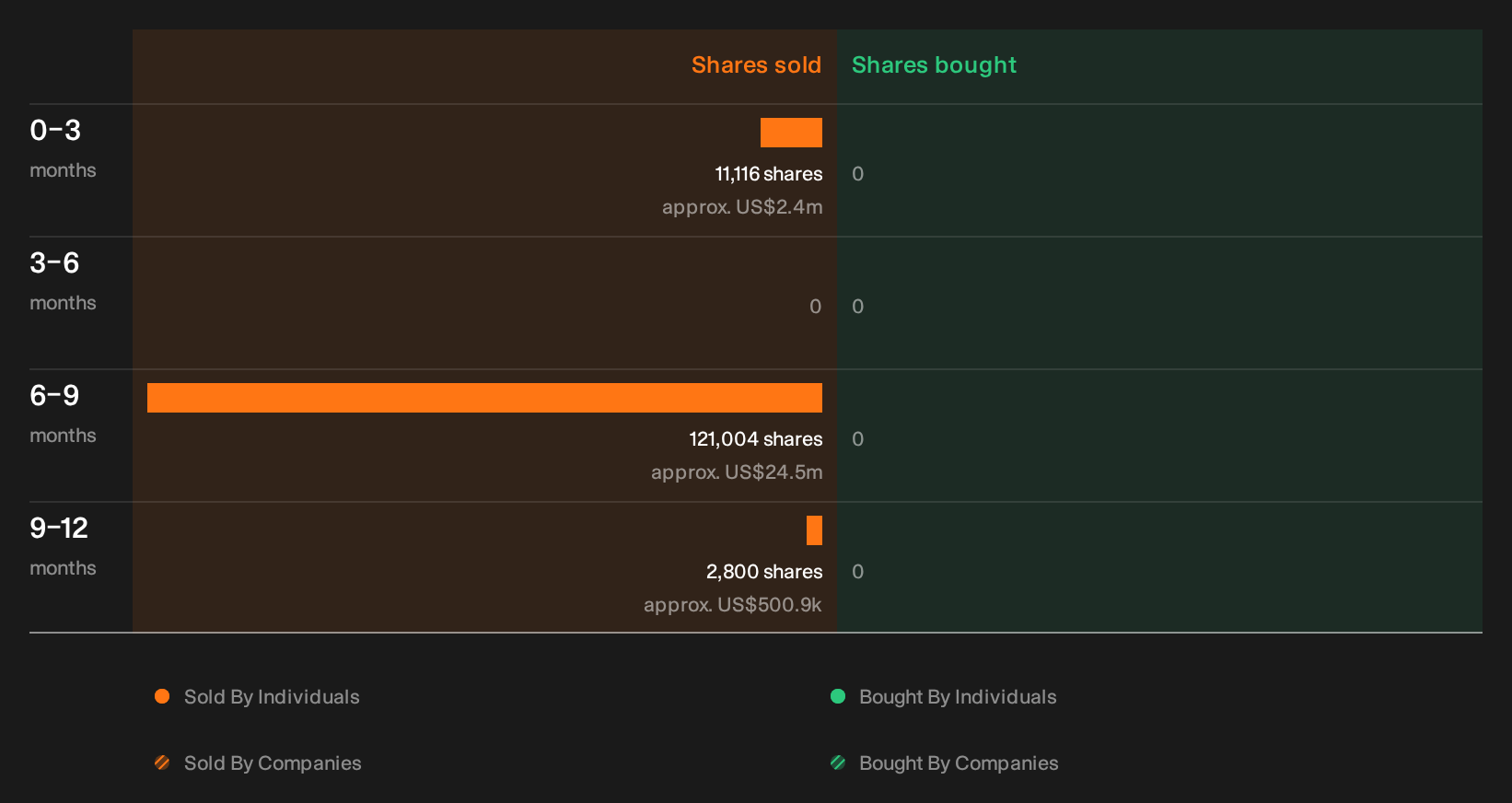
RTX can look reasonable on cash flows while a different story plays out in the trading plans of its own leaders, and recent transactions by insiders are precisely the kind of detail worth checking for yourself. See the recent insider selling flagged for RTX.
This article by Simply Wall St is general in nature. We provide commentary based on historical data and analyst forecasts only using an unbiased methodology and our articles are not intended to be financial advice. It does not constitute a recommendation to buy or sell any stock, and does not take account of your objectives, or your financial situation. We aim to bring you long-term focused analysis driven by fundamental data. Note that our analysis may not factor in the latest price-sensitive company announcements or qualitative material. Simply Wall St has no position in any stocks mentioned.
Have feedback on this article? Concerned about the content? Get in touch with us directly. Alternatively, email editorial-team@simplywallst.com