
- PRICING
- LIVE QUOTES
- LEARN
- HELP


EN
3 Software Stocks for Investors Tracking AI Risk Management Demand
Regulators and attorneys are suddenly asking hard questions about how artificial intelligence is policed, and the lawsuit barrage around OpenAI has turned AI risk management from a niche topic into front-page news. That kind of spotlight can shift attention toward software companies that help monitor models, audit behaviour, and manage AI incidents. This article looks at three stocks tied to that theme and examines how the current scrutiny could reshape their risk and reward profiles.
The stocks in the spotlight below are only a starting sample, since the full screen surfaced 20 more AI risk and governance companies with equally compelling stories that are not covered in this article. If you want to identify and analyze those additional candidates with the strongest fit to your own thesis, head straight to the AI Risk Management and Governance Software screener.
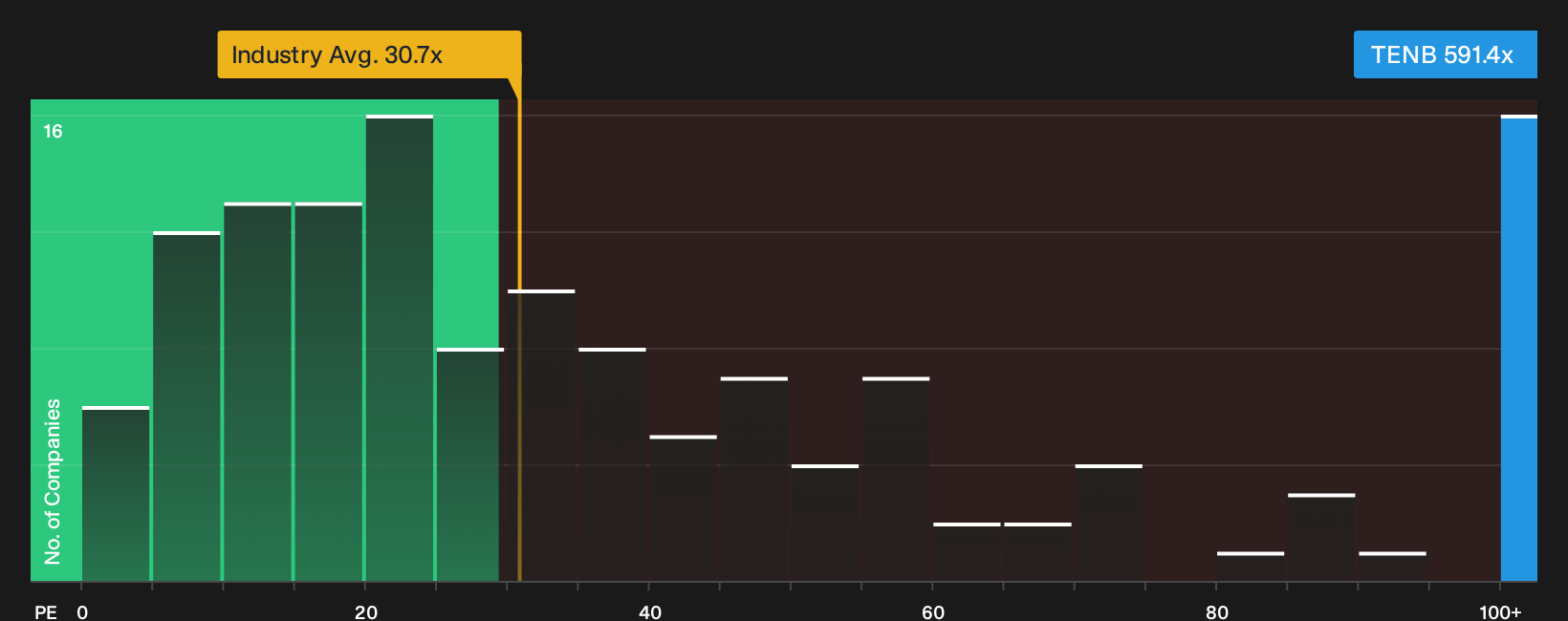
Tenable Holdings (TENB)
Overview: Tenable Holdings provides cyber exposure management tools, including AI Exposure, that help organizations monitor, assess, and reduce security risks across modern digital and AI-driven systems.
Operations: Tenable generates about US$1.0b from security software and services, with most revenue coming from the United States, EMEA, Asia Pacific, and other Americas.
Market Cap: US$3.9b
Tenable Holdings matters here because AI risk is increasingly about spotting vulnerabilities before they snowball, and its exposure management platform is built for that kind of always-on scrutiny.
"The accelerating shift towards digital transformation and cloud adoption is expanding organizations' attack surfaces, driving sustained demand for Tenable's unified exposure management platform. This is expected to grow total addressable market and provide strong long-term revenue tailwinds."
What really moves the needle for investors is how one emerging pressure around AI-driven threat volumes ultimately filters through to pricing power and margins.
When that pricing power question matters to you, read the full narrative for Tenable Holdings to see how Tenable Holdings could turn rising AI risk pressure into an advantage.
Intapp (INTA)
Overview: Intapp provides AI-powered workflow, compliance, and client-management software for legal, private capital, banking, accounting, and consulting firms.
Operations: Intapp generates about US$577.8 million from software and programming, with roughly US$391.7 million in the United States and the remainder abroad.
Market Cap: US$2.8 billion
Intapp matters for this AI risk and governance screen because its tools aim to help highly regulated firms use AI without losing control of confidentiality, compliance, or auditability.
"Intapp's recent investments in AI capabilities, including the launch of Intapp DealCloud Activator and the transformed Intapp Time product, are designed to drive client engagement and operational efficiencies."
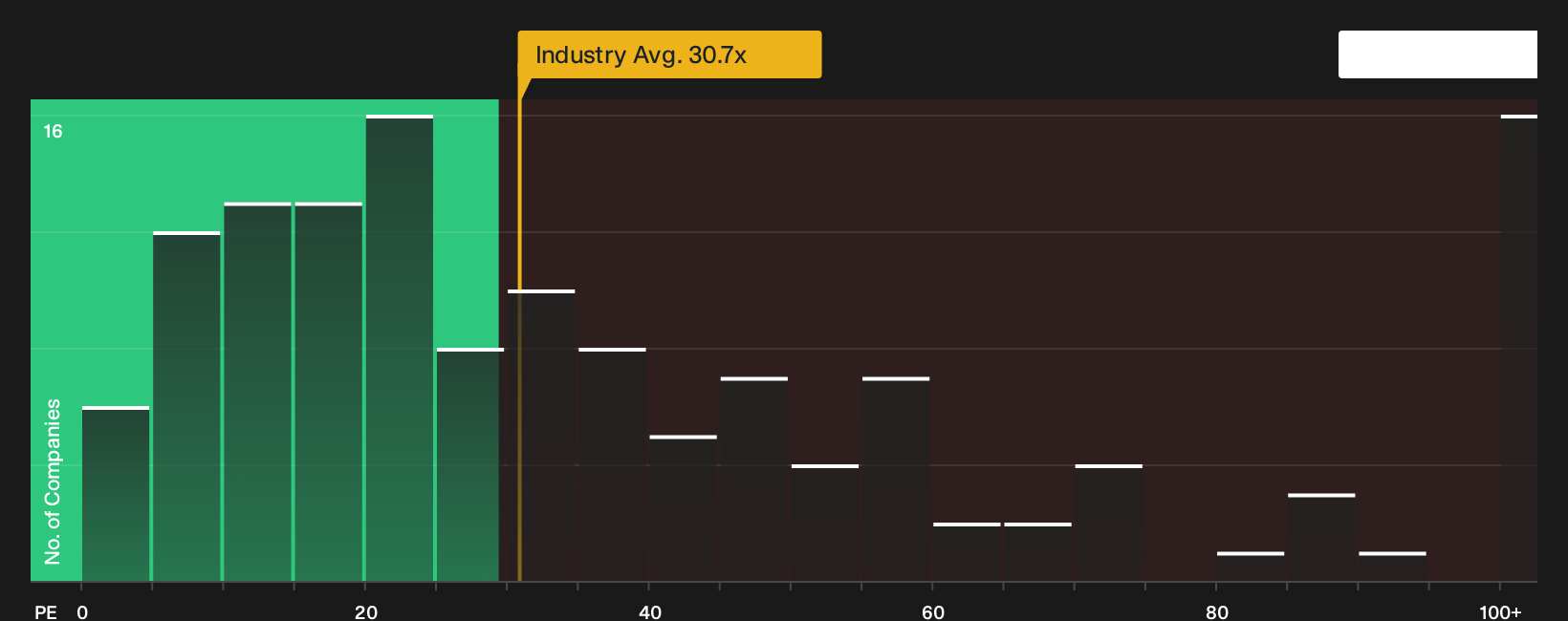
For investors, what really counts is how one evolving layer of AI compliance demand ultimately feeds through into pricing power and profit margins.
That pricing debate is only the start, and the full narrative for Intapp lays out how Intapp's AI push could reshape client economics and expose underappreciated risk buffers.
Rapid7 (RPD)
Overview: Rapid7 provides cybersecurity platforms and services that detect threats, manage vulnerabilities, and coordinate incident response across cloud and on-premise environments.
Operations: Rapid7 generates about US$855.9 million from security software and services, with roughly US$602.6 million in the United States and the rest internationally.
Market Cap: US$807 million
Rapid7 matters in this AI risk management screen because its tools are built to spot, log, and escalate suspicious activity before automated systems go off the rails.
"The accelerating adoption and integration of AI-driven capabilities within Rapid7's Command platform and managed detection and response (MDR) offerings gives the company a differentiated edge in a rapidly evolving security landscape. This may influence new customer wins and the expansion of annual recurring revenue over the long term."
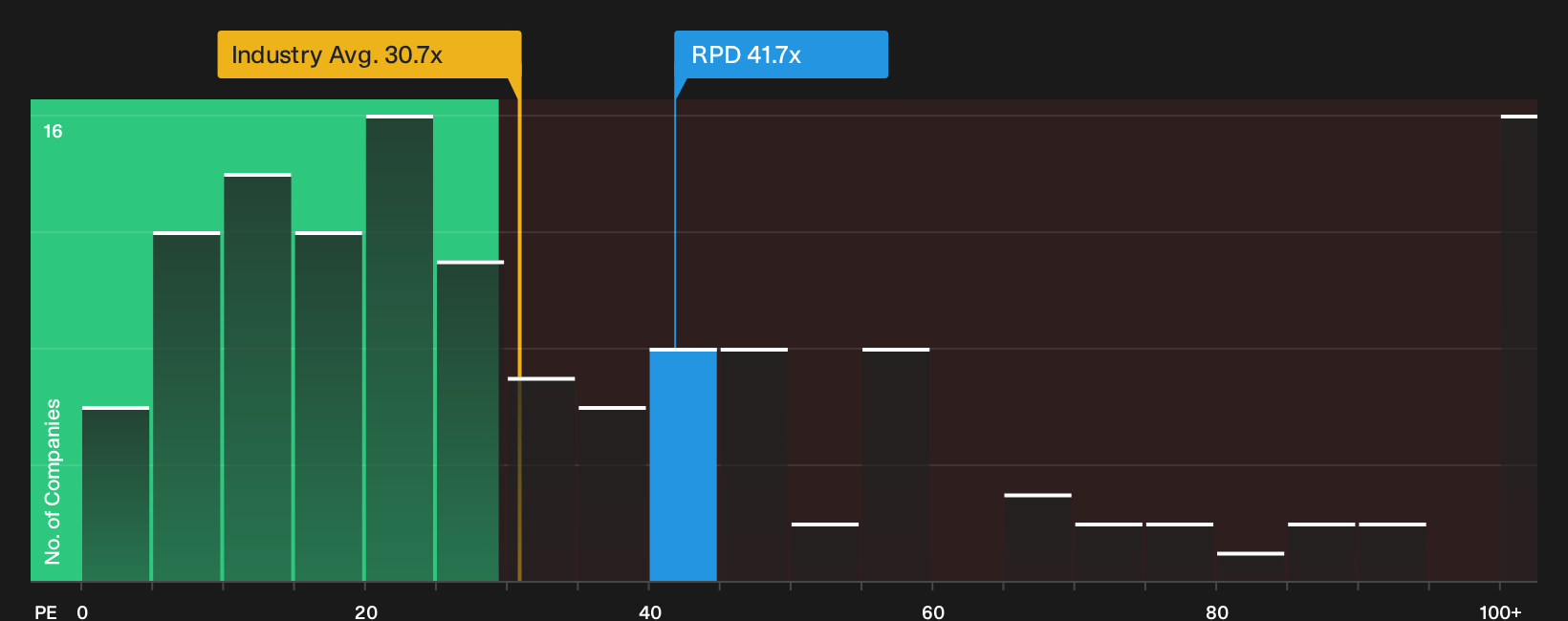
The real hinge for Rapid7 is how one pressure on customer budgets and security consolidation eventually filters into demand for its higher value services.
As that budget pressure plays out, the full narrative for Rapid7 shows how Rapid7 could turn consolidating security spend into accelerating value, as well as the underappreciated risks that might be masking it.
Seeking Fresh Alternatives Before They Fly
Some of the most interesting stories often move first while they are still under the radar for now. To consider potential breakouts and shifting momentum before the crowd, investors may wish to review the following ideas.
- Track cash rich businesses that could be gearing up for their next breakout phase with the 30 high quality undervalued stocks while it still flies below most radars.
- Spot potential compounding machines early by scanning the 30 resilient stocks with low risk scores before strong balance sheets and resilient earnings momentum get fully reflected in prices.
- Follow secular demand shifts by reviewing the 40 power grid technology and infrastructure stocks while critical infrastructure and grid technology ideas are still entering the market.
This article by Simply Wall St is general in nature. We provide commentary based on historical data and analyst forecasts only using an unbiased methodology and our articles are not intended to be financial advice. It does not constitute a recommendation to buy or sell any stock, and does not take account of your objectives, or your financial situation. We aim to bring you long-term focused analysis driven by fundamental data. Note that our analysis may not factor in the latest price-sensitive company announcements or qualitative material. Simply Wall St has no position in any stocks mentioned.
Have feedback on this article? Concerned about the content? Get in touch with us directly. Alternatively, email editorial-team@simplywallst.com