
- PRICING
- LIVE QUOTES
- LEARN
- HELP


EN
Will HBM Demand Change FormFactor Stock Narrative
- FormFactor recently highlighted that high-bandwidth memory demand tied to generative AI and high-performance computing is supporting its DRAM test business, including future HBM4 designs.
- The company is also seeing broad engagement across data-center CPUs, networking and custom ASICs. This points to multi-application demand for its test solutions rather than reliance on a single AI product cycle.
- This article will explore how FormFactor's investment narrative is influenced by rising HBM demand linked to generative AI and high-performance computing.
Scan beyond FormFactor and explore other potential AI infrastructure beneficiaries with the curated 89 AI infrastructure stocks.
FormFactor Investment Narrative Recap
To own FormFactor, you need to believe test intensity keeps rising as HBM, generative AI and high performance computing become more complex. The recent focus on HBM demand supports that thesis, but it does not remove the big near term swing factor, which is how quickly orders translate into consistent DRAM and HBM test volumes.
The key short term catalyst is execution on higher value HBM and chiplet work, while avoiding any retreat in gross margins toward a weaker mix. The biggest risk remains a combination of product cycle volatility and customer concentration that could expose you to sharp quarterly revenue and earnings swings despite strong long run themes.
With no fresh company specific announcements tied directly to this HBM commentary, the most relevant reference point is still management’s earlier emphasis on capacity investments such as the Farmers Branch, Texas facility. That project sits in the background of every discussion about FormFactor’s ability to support heavier AI and HBM test loads.
If that site ramps efficiently and supports vertical integration on substrates, it could help offset pressure from tariffs, labor costs and any shift toward lower margin DRAM work. If execution is slower or costs run higher than planned, the same expansion could amplify the main risk investors already focus on: margin compression during demand transitions.
FormFactor's narrative projects US$1.5b revenue and US$452.8 million earnings by 2029. This assumes 17.5% yearly revenue growth and an earnings increase of about four times from US$115.5 million today.
Uncover why FormFactor's fair value indicates a 21% potential upside to its current price before the gap closes.
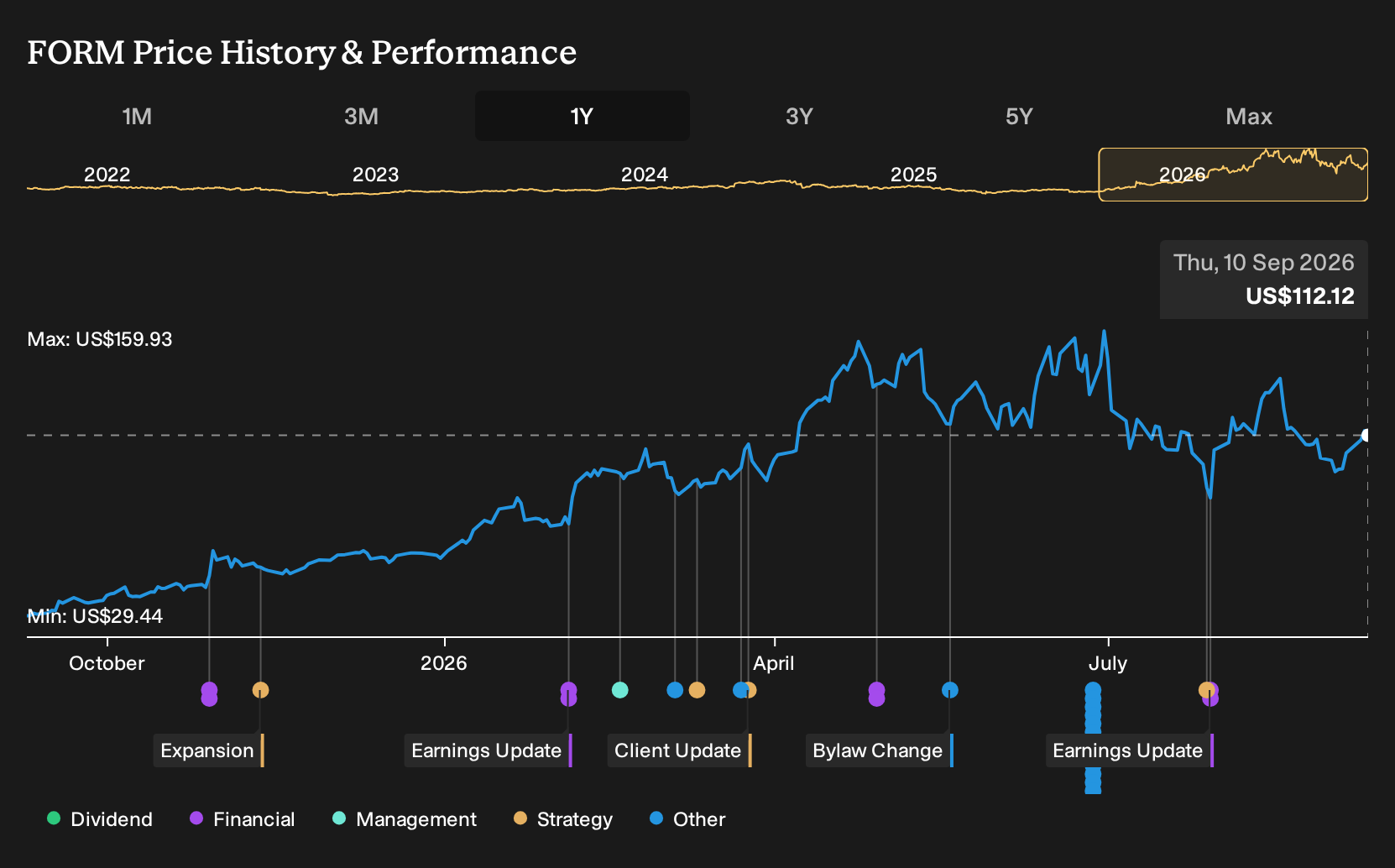
Exploring Other Perspectives
One alternate view on FormFactor leans hard into margin risk. The most cautious analysts plugged in just 14% annual revenue growth and only 14.5% margins by year three, with earnings around US$194.1 million by 2029. That is far below the consensus path, and it shows how sharply opinions may shift after this HBM news.
Explore 4 other FormFactor fair value estimates, including one that suggests as much as 75% downside from the current price!
Form Your Own Verdict
Disagree with existing narratives? Extraordinary investment returns rarely come from following the herd, so trust your own research and judgment.
- A great starting point for your FormFactor research is our analysis highlighting 3 key rewards and 3 important warning signs that could impact your investment decision.
- See our latest analysis for FormFactor. The report includes a comprehensive fundamental analysis summarized in a single visual, the Snowflake, making it easy to evaluate FormFactor's overall financial health at a glance.
Looking For More FormFactor Style Investment Ideas?
If the FormFactor story has you thinking about where else AI infrastructure demand might show up, widening your search across other stocks can sharpen your watchlist and help you compare risk and reward across different themes.
Use the Simply Wall St Screener to move beyond a single ticker and line up other candidates that fit the type of portfolio you want to build.
- For investors hunting for stronger fundamentals without paying any premium in complexity, start with a list of solid balance sheet and fundamentals (23 results) that can handle tougher conditions.
- If capital protection matters as much as upside, filter for steadier profiles using a 11 resilient stocks with low risk scores that screens for resilience first.
- When you want something less crowded but still grounded in fundamentals, scan through a 16 high quality undiscovered gems that the market may not be fully focused on yet.
This article by Simply Wall St is general in nature. We provide commentary based on historical data and analyst forecasts only using an unbiased methodology and our articles are not intended to be financial advice. It does not constitute a recommendation to buy or sell any stock, and does not take account of your objectives, or your financial situation. We aim to bring you long-term focused analysis driven by fundamental data. Note that our analysis may not factor in the latest price-sensitive company announcements or qualitative material. Simply Wall St has no position in any stocks mentioned.
Have feedback on this article? Concerned about the content? Get in touch with us directly. Alternatively, email editorial-team@simplywallst.com