
- PRICING
- LIVE QUOTES
- LEARN
- HELP


EN
Yu Huiyong: Redefining Baiguoyuan (02411)
The Zhitong Finance App learned that in the past two years, the capital market's observation of Baiguoyuan (02411) has always been based on stores as the core anchor. The active reduction in the size of outlets, the restoration of confidence in the franchise ecosystem, and the iterative restructuring of the single-store profit model form the first level of a cognitive framework for the outside world to interpret this leading Chinese fruit chain. However, in founder Yu Huiyong's strategic layout, the store is only the starting point of Baiguoyuan's growth curve. What really needs to be re-recognized by the market is that the company has moved from being “the number one brand in the Chinese fruit franchise chain” to a complete set of long-term goals that are more advanced in the industry — a world-leading fruit industry ecological technology company, a world-leading fruit and vegetable processing brand incubation platform, and a globally integrated fruit supply chain service platform.
This set of strategic positions is not a packaged concept, but rather a systematic refinement of a 25-year development path. Yu Huiyong confessed in an exclusive interview that today Baiguoyuan must answer the fundamental proposition of “what is itself” — the company has long gone beyond the boundaries of a single store brand and entered a new stage of collaboration between supply chain capabilities, agricultural technology, information technology, category brands, and services across the business. “Its development process was not designed from the beginning; it has gradually evolved to the present day. We've just summarized and refined it; this refinement is very important. What used to be an unconscious refinement has now become a conscious strategy that can guide everyone.”
Looking at business fundamentals, Baiguoyuan's repair signals are clearly evident: in the second half of 2025, store expansion was back on track, with more than 4,000 offline outlets nationwide; single-phase micro-profits were achieved during the same period, and profit fundamentals ushered in a substantial reversal; To-B business, category brand incubation and digital tools continued to be implemented, becoming a core clue for the capital market to reassess the company's value. However, if you define these changes only as the “second growth curve” after the store stabilizes, it clearly underestimates the depth and long-term weight of this strategy.
I. Strategic upgrading: anchoring the world's leading ecological technology company in the fruit industry
In the inherent perception of the market, Baiguoyuan's most prominent label has always been “high quality fruit chain”. But at the juncture of 25 years of development, this definition can no longer cover the company's extended business boundaries.
“Baiguoyuan stores are indeed our main business right now. But until now, simply understanding Baiguoyuan as a store brand has its limitations. We recently sorted out this issue. We must form a clearer strategic statement about Baiguoyuan in the next 20 years.” Yu Huiyong said.
Regarding the core position of the future, Yu Huiyong's first answer was “the world's leading ecological technology company in the fruit industry.” This positioning includes three core dimensions: the fruit industry is the foundation, which means that Baiguoyuan will never break away from the main fruit business, and will expand to a wider range of fruit and vegetable agriculture in the future; ecology is an organizational paradigm, which means that companies do not operate a closed self-operated system; technology is the underlying support, which means using information technology and agricultural technology to reconstruct the bottom layer of efficiency in the traditional fruit industry.
“Baiguoyuan Group's mission is to become a leading global enterprise. Because from the bottom of my heart, when I founded Baiguoyuan, I need to become number one in the world. I can only start a business if I aim to be number one in the world, so I have the first sentence: become the world's leading ecological technology company in the fruit industry.”
The core pain point of the fruit industry has never been insufficient demand, but uncertainty about the entire link of good fruit from the field to the tip of the tongue. As a fresh and directly imported category, “every minute from picking to time spent by the customer competes with its life.” This determines that Baiguoyuan's solution is never a single-point retail problem, but rather a full-link proposition that runs through variety selection, production materials, planting technology, post-harvest preservation, warehousing and distribution contracts, terminal sales, and consumer experience.
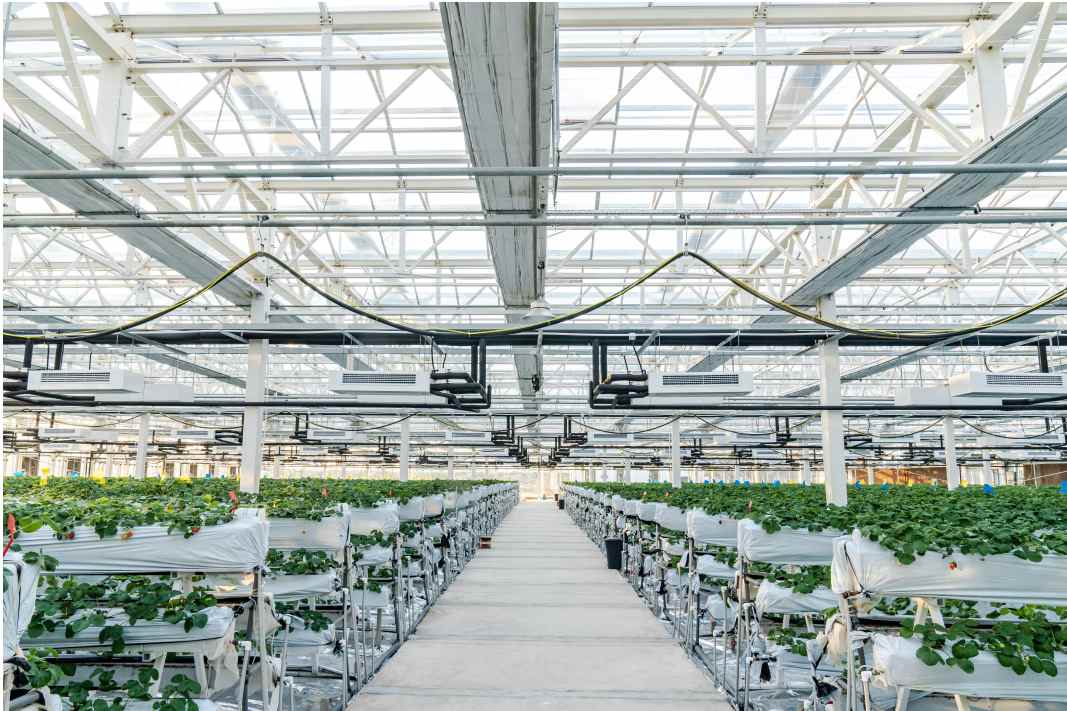
(The picture shows the modern strawberry planting base of Nanjing Golden Manor, an affiliated company of Baiguoyuan. (From climate temperature and humidity, to soil testing and improvement, to fertilizer use and pest control, delicious fruit is a complex and huge systematic scientific research and practice topic from the ground to the tip of the tongue.)
This is the core meaning of the word “ecology.” Yu Huiyong didn't talk about ecology in an empty way. He gave two clear criteria for judgment: one is that they can collaborate efficiently without a blood relationship, and the other is that the entire link of information can be connected. Faced with the pain points of vague standards, opaque information, and fragmented production and marketing for a long time in the agricultural and fresh food supply chains, Baiguoyuan's solution is to first deepen the key ecological positions in the industrial chain, and then achieve overall collaboration through unified standards, information systems, and interest mechanisms.
“What is ecology? In my definition, there are two points to have: the first one (all links) can collaborate efficiently with or without kinship, and the second is whether the entire link of information can be connected. I chose ecology because if we want to be a great company in our industry, we must have a mechanism of interests to achieve global synergy and good profit conditions.”
Technology, on the other hand, is the underlying foundation for this ecosystem to run through. Yu Huiyong disassembled technology into two pillars: information technology and agricultural technology. The former solves the problems of chain operation, demand forecasting, store diagnosis, standardized management, and full-link collaborative efficiency; the latter is rooted in variety selection, production materials, planting technology, post-harvest preservation, and ecological agriculture transformation. According to public information, Baiguoyuan has implemented a next-generation AI cashier system, an intelligent ordering system, a store profit diagnosis system, and a large fruit knowledge model. Among them, the intelligent ordering system has covered more than 3,000 stores, and the AI store diagnosis system can provide more than 200,000 accurate data diagnoses every year.
“I'm breaking two global technologies. One is information technology and the other is agricultural technology. From starting our business until now, we have invested quite a bit in information technology; in agricultural technology, our main focus is here. Because good fruits are grown, Baiguoyuan must take the lead in agricultural science and technology application research and promotion.”
AI is also not Baiguoyuan's conceptual narrative for the capital market; it is an underlying implementation tool for a “fruit industry ecological technology company.” Its goal is not to replace stores, but rather to transform the experience accumulated in stores, supply chains, and agriculture into system capabilities that can be used, replicated, and exported.
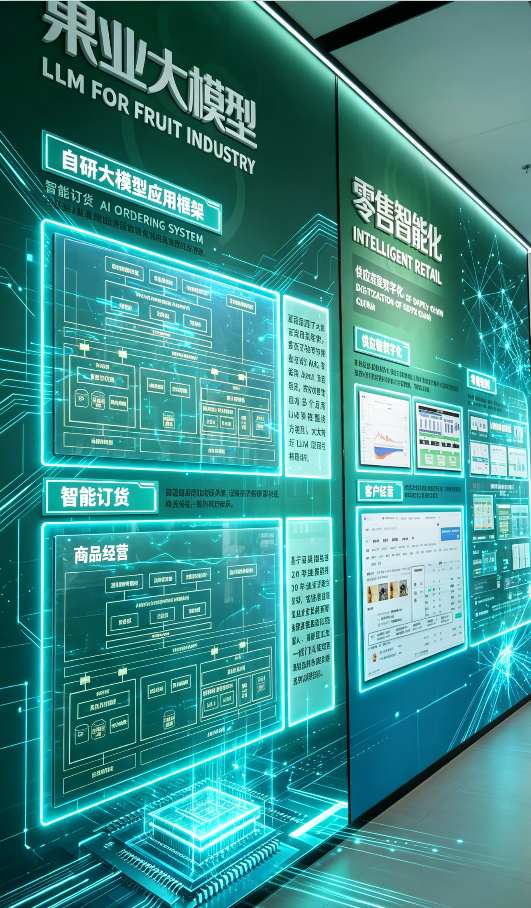
(Baiguoyuan AI has moved from “thinking” to “execution”. (Five independent Agent applications, including fruit knowledge base, zero supply enabling, store diagnosis, AI programming, and local Claw, have all been implemented)
II. Store-based: Front-end verification site for ecological capacity
A strategic upgrade does not mean a weakening of store value. In contrast, in Yu Huiyong's system, stores have always been Baiguoyuan's most important basic market, and they are also at the forefront of verifying the supply chain, quality control, contract fulfillment costs, and consumer experience. It's just that the value scale of stores has changed: in the past, the market grew based on the speed of opening a store, but now more attention should be paid to the certainty of the model, the density of the network, the profit level of franchisees, and the cost efficiency of the entire link.
“For the foreseeable future, our current model is the best model for fruit retail. It's an experience on the one hand, and the cost of fulfillment on the other. Only the lowest cost and best overall link is the best model.”
This judgment is rooted in the consumer properties of fruit. Fruits are not products suitable for high-volume, low-frequency purchases, but are naturally suitable for small-batch, high-frequency, and near-field consumption. At the same time, fruit purchasing decisions are highly dependent on display visuals, tasting experiences, and professional explanations, and the value of nearby stores in the community is irreplaceable. Baiguoyuan's community franchise chain model essentially uses high-density outlets to reduce fulfillment costs and enhance the consumer experience with specialized services.
“Our model is optimal, provided the density is sufficient, so it must be linked and high density. From a compliance perspective, Baiguoyuan's fulfillment costs are the lowest in the industry, and this experiential and compliance model cannot be surpassed for a long time.”
Over the past few years, Baiguoyuan has experienced a round of active liquidation of inefficient stores. According to data, from 2024 to 2025, the company actively reduced the number of inefficient stores to more than 1,600, and the total number of stores dropped from a peak of 6081 to 4,468; in the second half of 2025, there was a net increase of 82 stores, officially reversing the continuous contraction trend, and the network covered 22 provinces and more than 170 cities across the country.
According to Yu Huiyong, the problems that occurred in Baiguoyuan a few years ago were not mainly market issues, nor strategic issues, but business model issues. After listing, the original business model needed to be restructured for compliance, and this process of “breaking through and rebuilding” was bound to be painful. The consolidation has now been completed, and a definitive sustainable store opening model has taken shape.
“Over the years, we have understood that it is impossible to open a store as fast as it used to be; we must keep steady and steady. Recently, we have completed consolidation and launched a definitive and sustainable store opening model.”
Store expansion is not the end of a strategy; it is the first level of verification of the entire ecosystem. As the store model continues to be optimized, the return cycle for franchisees is shortened, and the number of visitors and gross profit increases steadily, the front-end entrance of a “fruit industry ecological technology company” has sufficient density and credibility.
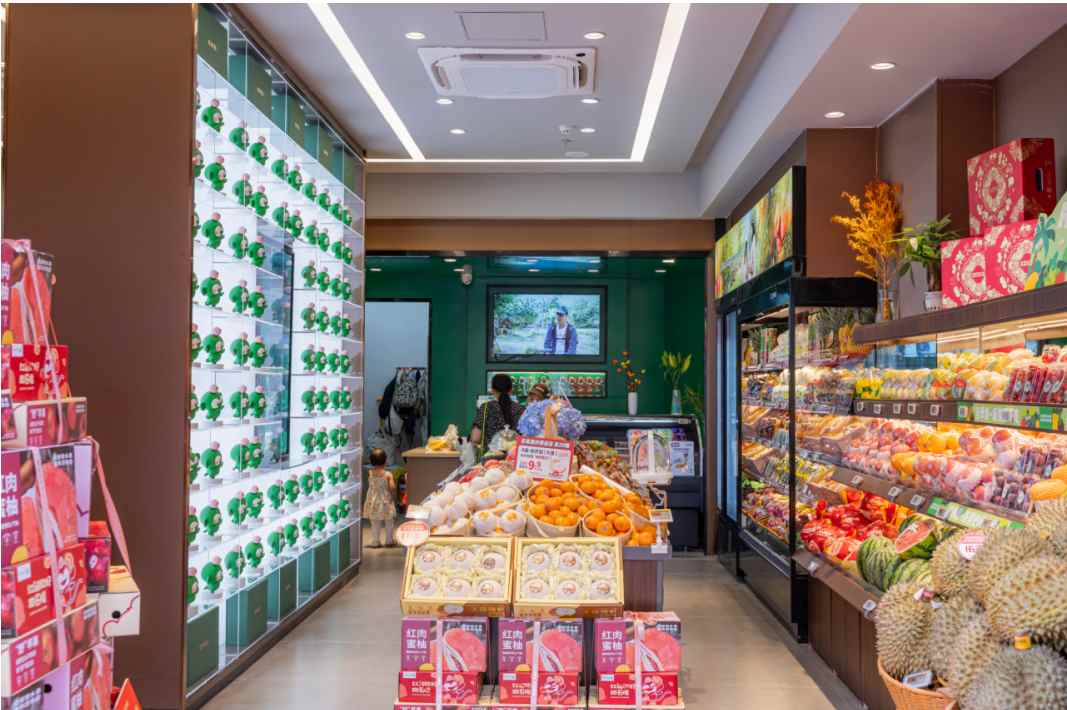
(A corner of the Baiguoyuan store.)
3. Category Incubation: Build the world's leading incubation platform for fruit and vegetable processing brands
The second strategic goal proposed by Yu Huiyong is “an incubation platform for the world's leading fruit and vegetable processing brands”. From fruit category brands, to fruit and vegetable category brands, to incubation platforms for fruit and vegetable and derivative processing brands, the core is not to simply expand SKUs, but to systematically export Baiguoyuan's cultivation, quality control, preservation, channel and capital capabilities accumulated over many years to every single category brand.
“I developed a category strategy in 2016, with the goal of incubating 100 brands over 20 years. This strategy has not changed since it was established in 2016, and will continue to be strengthened over the next 10 years.”
According to the company's roadshow, Baiguoyuan has now built 53 specialty brands. By introducing new products and exporting planting and preservation technology, Baiguoyuan has helped partners improve quality and increase production, and steadily promote brand marketization. Category brand building has always been an important medium- to long-term strategy of Baiguoyuan. The company always adheres to the concept of “good fruit is grown” and focuses on deep cultivation at the source.
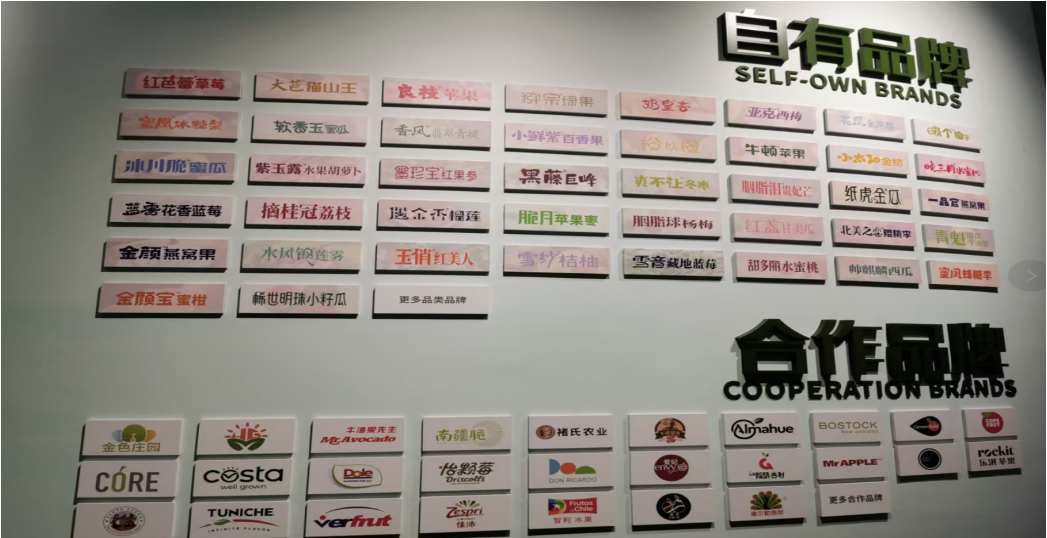
(Baiguoyuan brand wall is also a story wall. Is “Chang'an's Lychee” easy or difficult? Delicate strawberries from Dandong left the Northeast, and sweet dried apricots from Xinjiang arrived in Hainan. Originally, they were all “no man's land.” (Baiguoyuan used perseverance and hard work day after day to pass through this uninhabited land.)
Yu Huiyong's incubation logic is more like a set of industrial organization methodologies. He does not seek to include all brands in the same subject, but instead advocates the independent development of category brands. Baiguoyuan is deeply involved as a shareholder, service provider, and priority channel.
“I'm an incubation platform; they don't want me to have it, but they ask me to be there. All categories of brands should be independent companies, and we have shares. When it reaches a certain size, you can't just sell it to me; we just need the best priority. The more this company makes, the more money I make.”
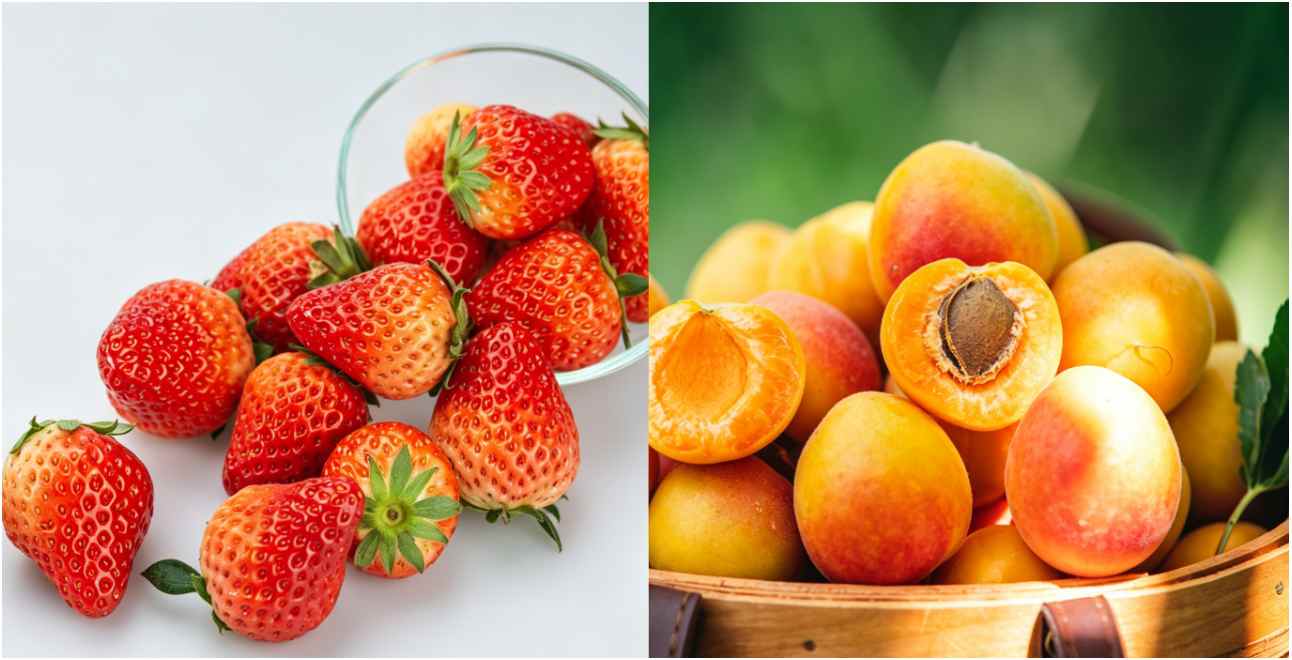
(The “Red Ballet” strawberries and “Milk King Apricot” hatched by Baiguoyuan have now flown into the homes of ordinary people and have become famous brands comparable to New Zealand's Jiapei kiwis. (A brand can become a giant ship, and the economic benefits it can bring are huge and long-lasting.)
This model is very different from the incubation of light capital brands common in the consumer industry. Baiguoyuan incubates not a traffic brand that relies on marketing, but an agricultural product brand that requires long-term roots in varieties, planting, production materials, post-harvest treatment, and channel verification. According to Yu Huiyong, a single category needs to be deepened and penetrated the entire industry chain, and “it will take 10, 50, and 100 years to achieve,” while Baiguoyuan hopes to use a platform-based method to incubate a number of high-quality category brands in batches over 20 years.
“We are a big incubation platform, and all work in the industry chain is to incubate it. We will provide you with varieties, production materials, technology, preservation, sales channels and capital to build a brand.”
This also explains the deep meaning of the “processed fruit and vegetable category” in the strategic positioning. Fresh fruit is the foundation of the industry, but the value of fruits and vegetables goes far beyond fresh food. Ready-to-eat fruit cutting, short-shelf food, dried fruit, juice, baking ingredients, and even deeper processing of agricultural products will open up a longer life cycle for category brands.
What Baiguoyuan wants to do is to further extend the concept of “good fruit is grown” to “good varieties grow from the whole industry chain.”
4. Open Empowerment: Building a Globally Integrated Fruit Supply Chain Service Platform for All Business Formats
The third major strategic goal is “a globally integrated fruit supply chain service platform for all business formats”. This is also the part that needs to be corrected the most in previous investors' perceptions. Baiguoyuan is not simply a shift from a C-end store to a To-B wholesale business. Instead, it aims to fully open up standards, products, compliance, training and operation capabilities to all business formats that require fruit supply chain capabilities.
“Open up the supply chain and empower everyone who needs fruit to sell. Baiguoyuan has been in the zero-supply business for a long time. Only by integrating our supply and retail can we maintain maximum collaboration.”
The To B business is already a growth curve that can be seen in Baiguoyuan. In 2024, the company's To B revenue reached 1.26 billion yuan, an increase of 21.7% over the previous year; currently, the business covers diverse scenarios such as traditional supermarkets, government and enterprise units, and provides customized services such as afternoon tea, holiday gift boxes, and conference results, and the revenue scale has continued to grow steadily.
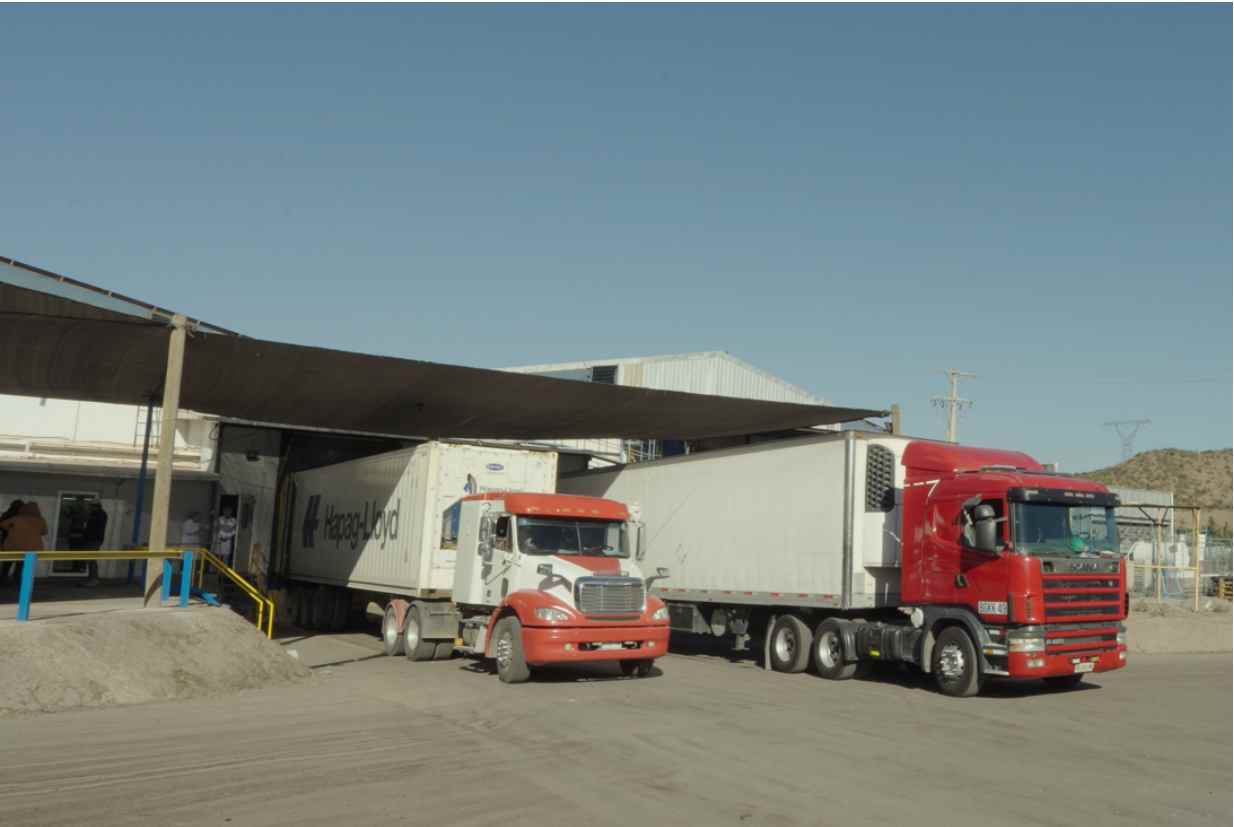
(In Chile's “Mumeiren” grape growing area, cold chain carriers are waiting for the product to be loaded. Assembly and transportation require precise adaptation to specific fruits. (Mining, marketing, and distribution are integrated and collaborative, “defined by sales”, one code at a time, so that the whole chain can be digitally traced.)
But Yu Huiyong's vision goes far beyond that. The “full business format” he emphasized covers husband and wife stores, snack channels, restaurants, tea, welfare collection, government and enterprise services, supermarkets, and even future emerging forms of instant retail. As far as these business formats are concerned, fruit is a high-frequency health category, as well as a category with high loss and high professional standards. What Baiguoyuan wants to export is not a single delivery, but a complete set of standards, product development capabilities, contract fulfillment services, training systems, and operation guidance.
“Baiguoyuan stores are only the target of our services; the first thing we rely on is standards. In the past, Baiguoyuan's standards were only suitable for Baiguoyuan stores; today, this standard is suitable for all fruit sellers. Because you have to do a To-B batch business, there are no standards, and it's almost impossible to grow bigger.”
Standards are the core key to understanding supply chain service platforms. In the past, Baiguoyuan used uniform standards to serve its own stores; in the future, it will use uniform standards to serve the entire industry. Specifically, this enabling system is divided into three layers: one is product empowerment, which relies on differentiated product development capabilities to provide high-margin products; the second is supply chain fulfillment, which relies on the national fresh distribution and preservation system to provide low-cost fulfillment; and the third is training and operation empowerment, which relies on years of accumulated industry experience to provide guidance throughout the process from product selection to promotion.
“If you sell fruit in China, then it's impossible not to understand our training system. Through years of accumulated operating experience, we understand the characteristics of each fruit, how to identify, select, preserve, and promote it. If the employees don't want to start, we'll send someone to teach them.”
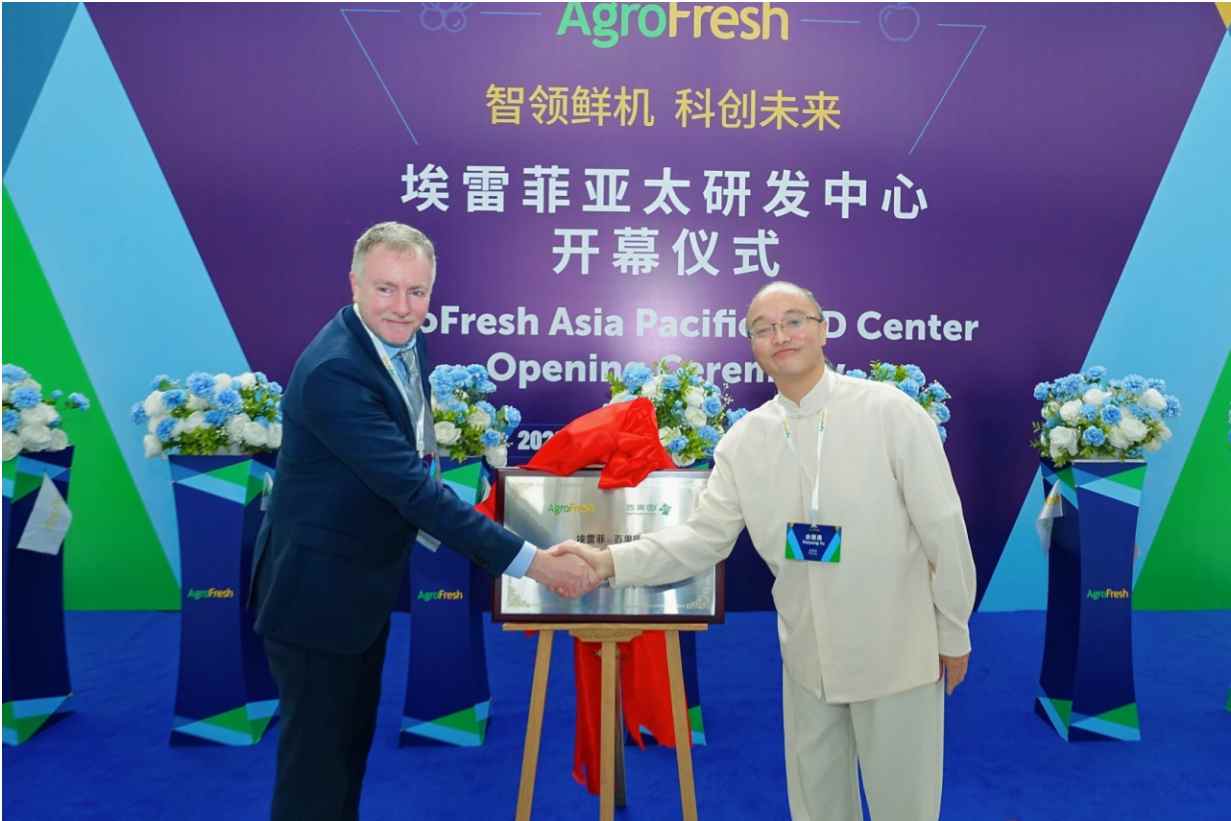
(In May 2026, Baiguoyuan and the world's leading provider of post-harvest preservation solutions “Elefi” established the “Elefi - Baiguoyuan Post-Harvest Fruit and Vegetable Preservation Joint Research and Development Base” in Yangling, Shaanxi. (The picture on the right shows Mr. Yu Huiyong, Chairman of Baiguoyuan)
Open supply chains will not reduce the competitiveness of your own stores. According to Yu Huiyong's logic, large-scale opening-up will further dilute the cost of the entire link, improve the supplier's product turnover efficiency, and ultimately benefit the entire industry and consumers. At present, Baiguoyuan has built a nationwide distribution center network to meet daily delivery needs. Facing the diversification of retail formats and the trend of expanding snack channels to fresh food, the company is fully opening up its supply chain capabilities.
“In the future, as long as you make fruit, you won't be able to get around Baiguoyuan.”
5. Value Revaluation: Three Strategic Curves Reconstruct Valuation Logic
If Baiguoyuan is viewed only as a fruit chain, the capital market's valuation framework will always revolve around the number of stores, same-store sales, customer flow, customer unit price, and profit margin. However, the three strategic goals proposed by Yu Huiyong are reshaping the company's value structure: the first curve is a standardized community franchise chain network to verify the core capabilities of brand, density, service and fulfillment costs; the second curve is a full-format supply chain service platform that exports supply chain capabilities to the entire industry; and the third curve is fruit industry ecological technology and category brand incubation, incorporating agricultural technology, information technology and industry incubation into the longer-cycle value map.
Existing investment and research institutions have summarized Baiguoyuan's capital market narrative as “from clearance to rebirth”: the store model shifts from aggressive expansion to quality restoration, the To-B and “Fruit+” businesses open up a second growth curve, and the industry is moving from “big and scattered” to “strong and strong”. However, Yu Huiyong's strategic vision is more ambitious than this short-term capital market framework. He was talking not only about recovering the market value of listed companies, but also about the industrial space of the entire Baiguo ecosystem for the next 20 years or more.
“The second curve has already started, and it is also a long-term line; the third curve has already been laid out, and it also needs to be launched. It has been my accumulation over many years, and it began to take shape in 2003.”
This also means that observing Baiguoyuan must not only be measured by the rate of store expansion in a single year. More core verification indicators include: the degree of continuous restoration of the store model and the extent of improvement in franchisee profits; the real optimization effect of AI and digitalization on loss and turnover; the progress of the To-B business from simple supply to standard and compliance services; the independent growth capacity and capitalization potential of category brands; and the depth of long-term barriers formed by agricultural technology and ecological cultivation.
Yu Huiyong talks about strategy, which often extends from commerce to industry and then to the bottom of agriculture. In his view, food safety, pesticide and fertilizer reduction, ecological agriculture, rural revitalization, and industrial collaboration are all within the meaning of Baiguoyuan's strategy. This long-term expression explains why Baiguoyuan's new positioning cannot be limited to a “store” or a single business label — the company's real direction is to use fruit as an entry point and continue to expand to fruits and vegetables, processed products, supply chain services, and ecological agriculture.
“Looking back so far, although it seems very complicated, the main line in the middle has not changed. The direction is ecological products and good products for ecological agriculture. My strategy is to develop sales and reverse production.”
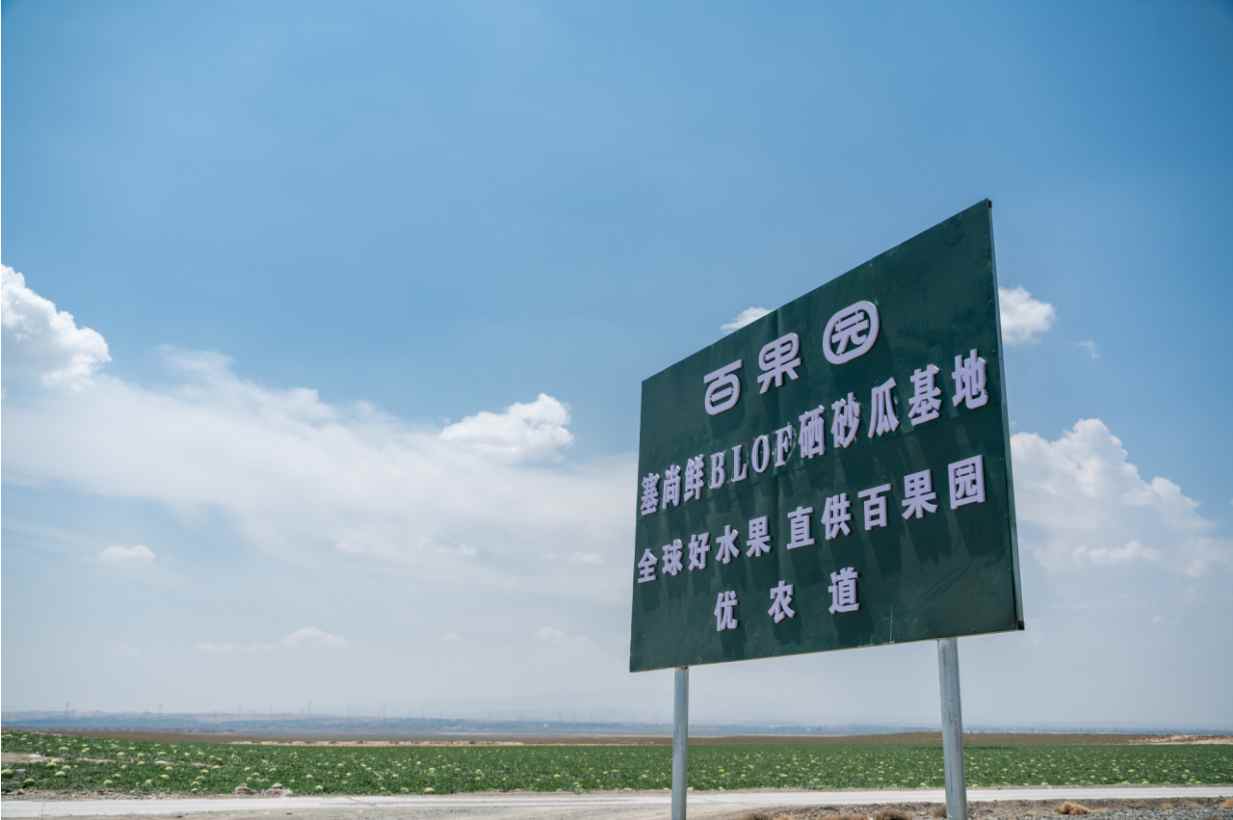
(Baiguoyuan is the most effective vehicle for rural revitalization. (In July 2025, Baiguoyuan and Shabotou District of Zhongwei, Ningxia joined hands to build the country's first BLOF ecological selenium casserole base to improve the quality of local fruits and achieve sustainable ecological development.)
Conclusion: Redefining is not a label; it is an industrial boundary
The most important answer given by Yu Huiyong in this interview was not the short-term business goals, but the boundaries and coordinates of Baiguoyuan's long-term development.
Stores have always been the foundation, but they are no longer the only answer; the supply chain still serves the fruit needs of the entire industry; category brands are no longer just products on the shelves, but industry players that will grow independently in the future; technology is no longer just a tool to reduce costs and increase efficiency, but the underlying infrastructure connecting agriculture, supply chains, stores, and consumers.
Baiguoyuan's new strategy has never been a marketing rhetoric that changes a label, but rather anchors three clear long-term directions: the world's leading ecological technology company for the fruit industry, the world's leading incubation platform for fruit and vegetable processing brands, and a globally integrated fruit supply chain service platform for the entire business. As far as the market is concerned, the next core proposition is to witness how Baiguoyuan can implement these ambitious industrial goals step by step into every store, every supply chain, every category of brand, and every consumer experience.