
- LIVE QUOTES
- LEARN
- HELP
 Nasdaq
 Wall Street Journal
EN
Sleeping robot (06600): the only intelligent company with a pure C-terminal, is it worth betting on?
As the only pure C-terminal smart company in the Hong Kong stock market, Wolan Robot (06600) successfully landed on the Hong Kong Stock Exchange, attracting many star institutions to grab funds. Is it actually worth the investor's bet? What are its core technical advantages? On the emerging circuit of home robots, can it really open up room for growth? Facing domestic and foreign rivals such as Figure AI and Yushu Technology, how did Unan rely to build a moat?
Perhaps the answer lies in its unique positioning and solid fundamentals. It has three major AI core technologies, a stable basic market, a comprehensive layout of the three major robotic gold tracks, the first high-growth AI home-robot stock market, and Wolan Robotics successfully listed on the Hong Kong stock market, bringing investors investment opportunities with both growth and certainty.
The Zhitong Finance App learned that from December 18 to December 23, Woan Robotics sold 22.22,300 shares globally, of which the Hong Kong public sale accounted for 10% and the international sale accounted for 90%. The allotment results showed that investors actively grabbed funds. Among them, international placement was up to 8.9 times subscribed, and the Hong Kong public sale was up to 254.5 times subscribed. The company sold at HK$73.8 per share, raised HK$1,544 billion in net global sales, and successfully entered the Hong Kong stock market on December 30.

The company uses mechanism B to distribute, and there is no need for a mandatory reimbursement or redistribution mechanism. Under this distribution mechanism, most liquid chips are absorbed by institutional investors, and institutional pricing makes valuations more reasonable. The IPO introduced 9 cornerstone investors, including Gao Wei, Cithara, Infini, China Eastern, Wind Sabre, Yield Royal Investment, and Ruizhi Capital. The cumulative subscription amount accounted for more than 40% of the total amount raised by the IPO, and under the Star Investment Group, it also attracted more OTC value investors to enter the market.
So, why can the company be favored and invested by well-known investors such as Gao Lin Capital? What is the core logic behind institutional investors rushing to raise funds?
Investment depends on people first, and the founding team is recognized by capital
Investing first looks at people. This is one of the core investment elements of investment institutions. The Woan Robot is actually a masterpiece of the two co-founders, Li Zhichen and Pan Yang, who use the same level of ambition technology.
The founder and core management team of Sleeping Robot are from Harbin Institute of Technology. In 2007, Li Zhichen (co-founder, chairman and CEO of Woan Robotics) and Pan Yang (co-founder and CTO of Wolan Robotics) met on the campus of Harbin Institute of Technology and became close friends. They are all passionate about the design and development of innovative robot equipment. During their time at school, they won several awards in robot innovation design competitions for college students at home and abroad, including the first prize in the 2009 ADI University Design Competition Advanced Group.
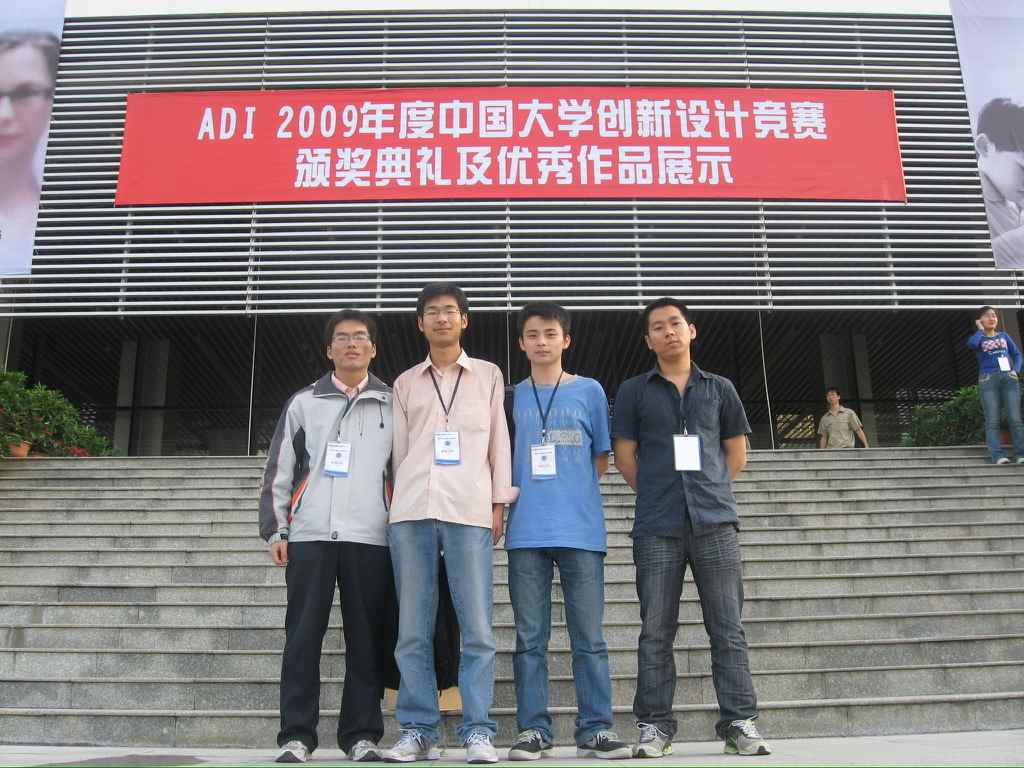
After graduating from college, although the two continued their studies and careers in different parts of the world, their original intention to start a business did not change. Later, with a love for robotics and a passion for entrepreneurship, Li Zhichen and Pan Yang chose to start a business in Shenzhen to establish a sleeping robot. Several college friends, including Lin Haizhou, Liu Guohui, and Liu Yanfei, joined later, and the story of AI transformed into a home robot began. After 18 years of ups and downs, today Wolan Robotics landed on the Hong Kong Stock Exchange as “the first stock of AI-enabled home robots.” At the moment the listing bell rang, the young like-minded entrepreneurs in the former campus had transformed into a leader in charge of industry benchmarks and listed companies with a market capitalization of over 10 billion dollars.
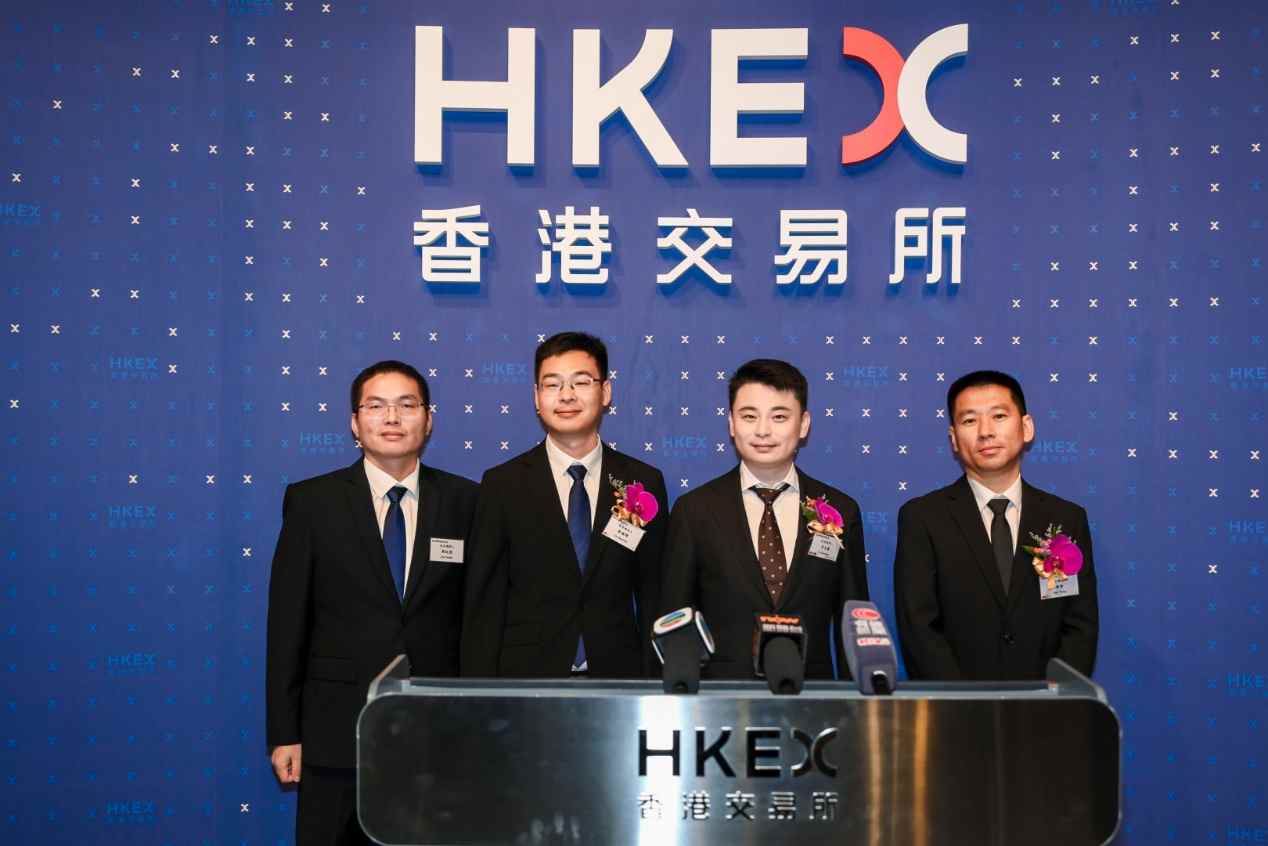
People familiar with the capital market should be aware that Woan Robots is a company that doesn't like financing. Prior to this Hong Kong IPO, there were few recumbent robots in the capital market. It is worth mentioning that despite the low frequency of financing, there is no shortage of top domestic and foreign investment institutions such as Gaowan, Source Code, Brizan, Ventech, Dachen, and China Survey. Behind such a low-profile company, there are many celebrity investors, which can be seen in the market's recognition of the company's founding team. Today, the two co-founders, who have known each other for 18 years, have joined hands to go public in Hong Kong and witness the company's new journey of development.
With solid technical strength and a keen sense of business, in 2025, the company successively launched the world's first smart home hub AI hub that combines a big language model with edge computing, and also launched AceMate, the world's first AI tennis robot for real matches, and Kata Friends, the world's first locally deployed AI companion robot with a large model. The company uses an AI self-made home robot system as the basic platform to develop a second growth curve centered on motion robots and companion robots. At the same time, it also laid out a third growth curve for humanoid housework robots to build a comprehensive smart home ecosystem.
Two core dimensions, three core technologies to create a data flywheel
The reason why Reclining Robots can quickly iterate products and open up new tracks has two main dimensions:
One is that it has a deep technical background at Harbin Institute of Technology. The founding team is from the top research team at Harbin Institute of Technology, with more than 10 years of technology and experience, and a strong foundation of trust; Professor Li Zexiang, the “Godfather of DJI,” and Professor Gao Bingqiang, a famous electronic engineering expert, gave their full support and relied on top academic resources to continue to strengthen technical barriers. The two professors currently serve as non-executive directors of the company. They have now become important shareholders of the company, providing both capital and technical empowerment.
The second is to invest heavily in R&D, recruit more technical talents, and promote the transformation of R&D results. From 2022 to 2024, R&D expenses accounted for an average of 20% of revenue. Up to now, R&D engineers account for 50%. In addition, the company has 311 patents worldwide, including 56 invention patents. The company was recognized by the country. In 2024, it was recognized as a national specialty, special, and new key small giant enterprise.
The company independently develops three core AI embodied robot technologies, namely robot positioning and environment construction technology, AI machine vision control technology, and distributed neural control network technology. The three major technologies are applied to the home ecosystem product matrix. Through large-scale data based on scenarios and user feedback, the company promotes rapid and efficient iteration and optimization of the core technology, thus forming a flywheel effect. Such technology has also become a strong competitive advantage for the company to differentiate itself from its peers. Data Flywheel further stabilizes product strength by strengthening technology, thereby stabilizing the company's leading position in the global AI home robot system industry and driving performance growth.
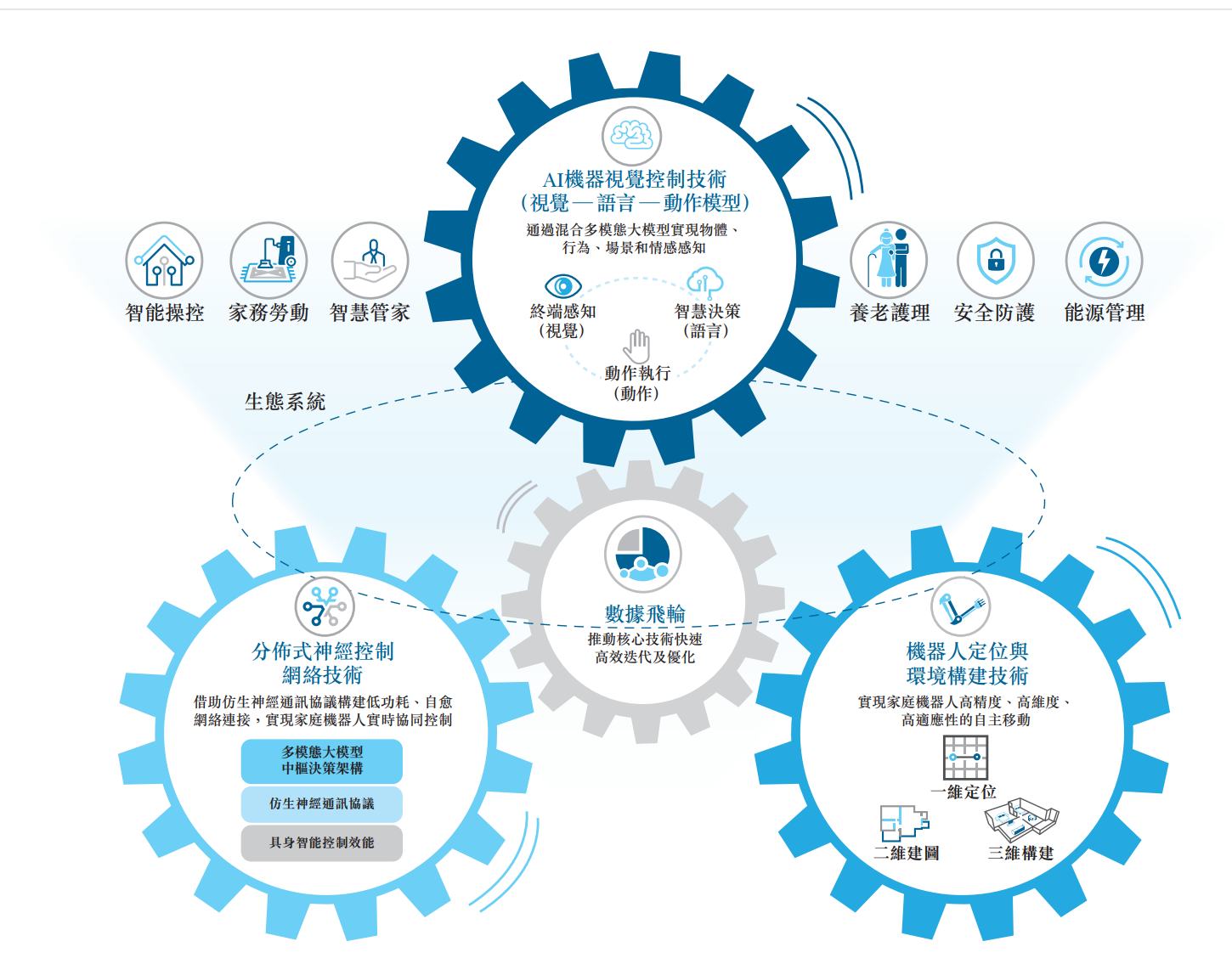
Image source: Company prospectus
The basic game is stable, and the three major tracks open up industry space
From 2022 to 2024, the compound revenue growth rate of sleeping robots was 49%, with revenue of 610 million yuan in 2024. Based on a strong basic platform, and a comprehensive layout of the three potential tracks of sports robots, AI companion robots, and humanoid housework robots, it is expected to accelerate the release of future performance of sleeping robots.
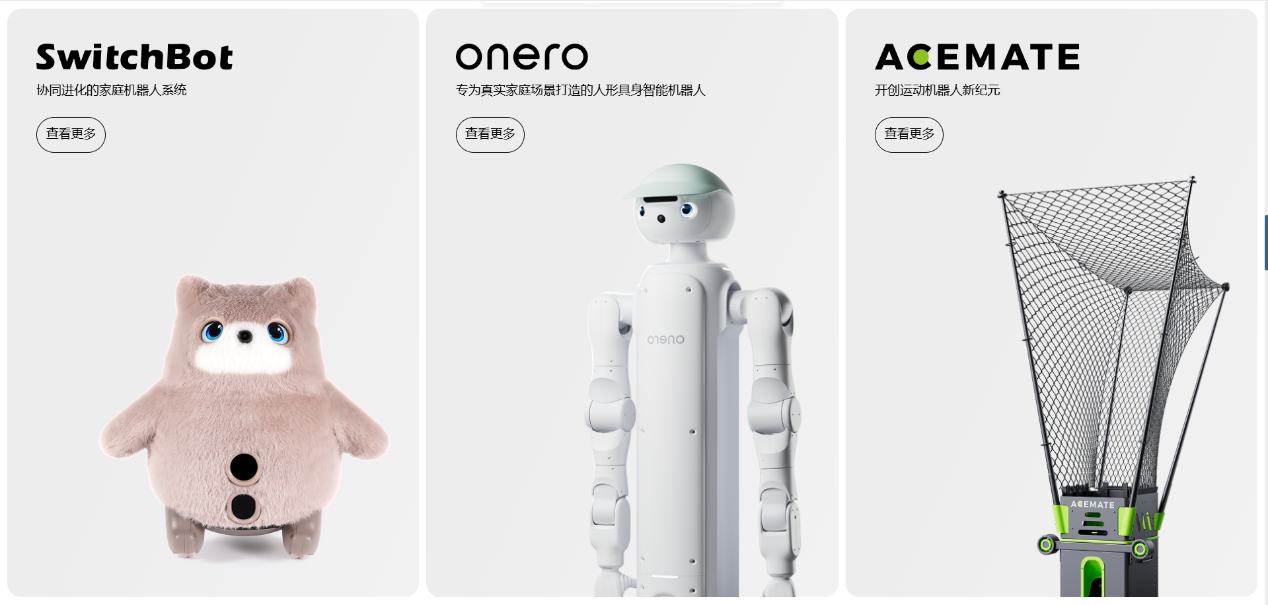
Picture source: The company's official website
In terms of sales model, the company has established a comprehensive “online+offline”, “direct sale+distribution+retail” omni-channel sales network. The brand is famous all over the world, covering more than 90 countries and regions. Up to now, the company's SwitchBot app has more than 3.5 million registered users and more than 10.8 million connected devices.
The company has three core sales markets: Japan, Europe and North America. The three core markets all had a compound revenue growth rate of more than 40% in the past three years, contributing 96.6% to total revenue in the first half of 2025.
On the home robot system circuit, the company has a leading position in the industry. According to Frost & Sullivan's data, the company ranked first in the world in terms of retail sales in 2024. Among them, it is a stable leader in the Japanese market. From 2022 to 2024, it was number one in the Japanese AI-shaped home robot market for three consecutive years.
A stable basic platform guarantees new growth points for the development of sleeping robots. The three potential racetracks of sports robots, AI companion robots, and humanoid housework robots have been further deployed, and the company continues to be the leader in the industry with its card position racetrack advantage.
In May 2025, the company launched the first product in the sports robot scene, the AI tennis robot Acemate, which uses 4K binocular camera fusion sensing technology and highly dynamic environmental interaction algorithms to provide personal trainer-level guidance in a subscription service model to provide training assistance for tennis enthusiasts. According to information, the company's products were selected as “Best Invention of 2025” by “Time” magazine. Figure AI's housework robot Figure 03 and Yushu Technology's biped robot Unitree R1 are also on the same list. At the same time, they received more than 16 million yuan in financing during the Kickstarter crowdfunding phase, achieving 76 times the initial target.
The tennis robot industry is growing rapidly. According to the Frost & Sullivan Industry Report, the global tennis robot market will explode to 0.3 billion yuan to 8.27 billion yuan in 2025-2029, with a compound annual growth rate of 293%. As a racetrack pioneer, the company will fully benefit from industry development dividends, and it also plans to further launch value-added AI coaching services in the future to leverage the industry ceiling through subscription value-added services.
In September 2025, Sleeping Robot officially launched an AI companion robot at IFA Berlin, and production optimization is currently underway. The robotics architecture integrates a sensing layer using multi-source data from cameras and LiDAR, a decision layer driven by large embedded models supported by edge computing, and an execution layer designed with biomechanical structures to understand the surrounding environment and interact with users. The market for AI companion robots is highly predictable, and the cost of raising live pets in countries such as Japan is high. Coupled with the strong demand for emotional companionship and emotional value in contemporary society, AI companion robots can meet the needs of this group of people.
Home humanoid robots are one of the most promising tracks. According to YH Research, the global household humanoid robot market will reach 56.69 billion yuan in 2031, with a compound annual growth rate of 29.3% from 2025 to 2031. Meanwhile, the company plans to launch the first humanoid home robot H1 in January 2026 to solve complex household tasks that cannot be effectively handled by existing home robot systems. Application scenarios are expected to include sorting and organizing clothes, cleaning and storing dishes after meals, and assisting in meal preparation. Unlike most peers that focus on robot applications in the industrial and commercial fields, the Wan robot can be called the “Figure of China”. It accurately cuts into the complex scene of the home, giving full play to the technical accumulation and scene advantages of the home scene. It is expected that in the future, humanoid housework robots will become a single product with a higher unit price than mobile phones and a larger number of car owners. Sleeper robots have already gained a first-mover advantage in the blue ocean market of humanoid housework robots.
All three tracks have high development prospects, and as a pioneer in the industry, Wolan Robot is expected to benefit from the growth of the industry and create a new growth curve with its first-mover advantage and technical advantages. “Stabilize the basic market+open up a new track”, the company fully covers the core needs of families, pushes the industry ceiling to continue to rise, and opens up room for growth.
The gross margin continues to rise, and the growth is high and the future can be expected with certainty
All financial indicators of Sleeping Robot are very strong. Revenue continues to increase, and profitability continues to improve. The gross margin increased from 34.3% in 2022 to 54.2% in the first half of 2025, an increase of 19.9 percentage points during this period. The company's adjusted EBITDA margin was corrected in 2023 and continued to rise to 13.7% in the first half of 2025.
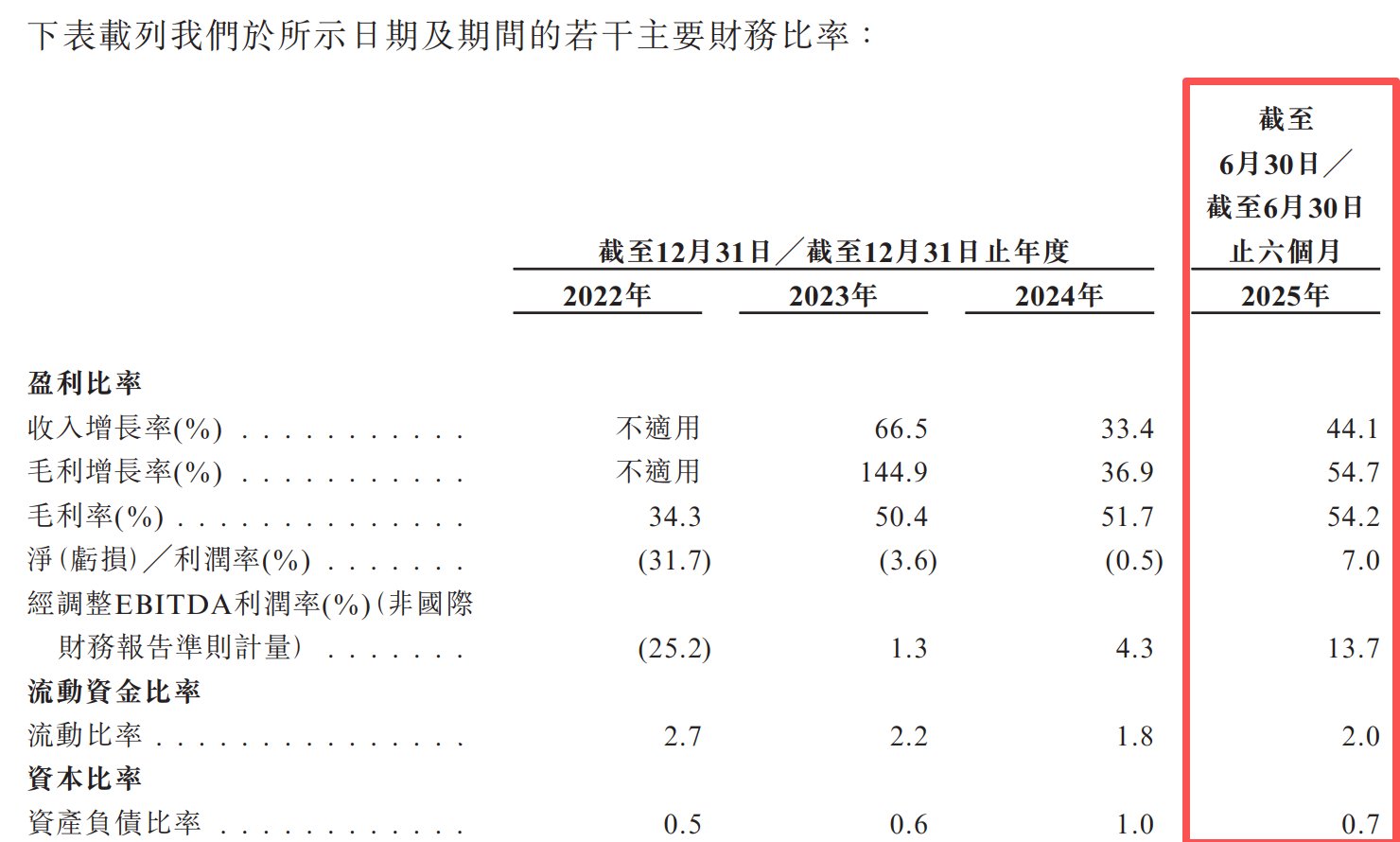
Image source: Company prospectus
The net capital raised from this listing will be used to continuously enhance R&D capabilities to further develop key technologies and products related to its AI-shaped home robot system. The core is robot positioning technology, AI machine vision control technology and edge computing technology, humanoid housework robot technology based on the VLA model, and the construction of a high-standard robot data collection factory dedicated to iterating and optimizing the VLA model to guarantee the company's product strength and global leadership position.
Since this year, robot racing tracks have always been a staple in the capital market, especially humanoid robot tracks. Whether in the primary or secondary capital markets, they have been sought after by capital, driving up valuations. It is worth noting that most companies in the Chinese robot industry chain focus on the industrial or commercial sector. For example, Preferential Choice and Yuejiang all use the B-side as the entry point for demand, and robot targets in the C-end household sector are very scarce.
However, Wolan Robotics is the only real smart company with terminal customers in the Hong Kong stock market, mainly on the C-side. The basic market business and the three golden tracks all use household needs as an entry point to create a smart home ecosystem, and it is one of the few companies in the world that have launched and successfully commercialized many of the world's first products in the AI-enabled home robot industry. The target is scarce. With the Hong Kong stock listing, Woan Robotics will become the “first stock of AI-enabled home robots”. The strong explosiveness of the ToC business and the scarcity of targets are expected to allow it to enjoy higher valuation premiums among mainly ToB robot companies.
Lying An Robot stands on the cusp of the racetrack and is expected to be favored by capital, but the listing is only the starting point. As the leading market share in the basic market stabilizes and the three major gold tracks continue to develop industry space, the company can look forward to the future.