


Worley And 2 Other Top Australian Uranium Stocks
High and often volatile fossil fuel prices, driven in part by geopolitical risks around Gulf shipping and constrained oil flows, keep reliable baseload power in the spotlight for Australian energy investors. Nuclear focused businesses can sit on the right side of that conversation, supplying fuel and technology for steady electricity output. This article walks through three Australian nuclear energy stocks from our screener that illustrate different ways to tap into that theme.
The three stocks highlighted here offer a compelling starting point if you want exposure to uranium producers, fuel suppliers and reactor focused businesses tied to reliable and sustainable power. However, if you want the names that matter most, these 16 nuclear renaissance stocks are the strongest companies we've found.
Worley (ASX:WOR)
Worley is a global engineering and project services group that plugs directly into the nuclear energy theme through design, build support, and long term management work for reactors and fuel cycle facilities, making it a relevant pick for investors who want exposure to real world nuclear projects.
Worley runs a broad fee based services model across energy, chemicals and resources, including nuclear work inside its low carbon energy arm. The Americas segment contributes about A$6.2b of revenue, EMEA about A$4.5b, and APAC roughly A$1.3b. The stock is valued at roughly A$4.8b.
For Worley, the nuclear angle is all about doing the heavy lifting on complex infrastructure, from early design to long term operations. This can make its fortunes closely tied to real project awards rather than pure uranium pricing stories.
"The accelerating global push for decarbonisation and energy transition is expanding Worley’s addressable market. The current factored sales pipeline of future work is 24% higher year-on-year, with more than $10b of recent wins in areas such as LNG, power and energy transition materials, which can support future revenue and backlog growth."
What really matters now is how one unresolved pressure on profitability plays out as that growing pipeline turns into work on the ground.
That pressure point is exactly why reading the full narrative for Worley can be useful for seeing how Worley’s pipeline, margins and risks might be decoupling from simple project headlines.

Boss Energy (ASX:BOE)
Boss Energy gives you direct exposure to the uranium fuel cycle through the Honeymoon project in South Australia, which is already feeding nuclear power demand rather than just drilling towards it.
"The transition to wider spaced ISR wellfields at Honeymoon, supported by reactive transport modelling and early pattern performance, creates room for Boss Energy to reconfigure capital and wellfield intensity in ways that influence long term unit costs and net margins."
What happens to Boss Energy’s future earnings power now largely hinges on how effectively that quieter piece of engineering work reshapes unit costs.
Boss Energy is a uranium producer focused on supplying nuclear fuel, with revenue of about A$151 million coming from Australian uranium operations and a market value near A$581 million.
That cost question is exactly where the full narrative for Boss Energy goes further, mapping how Boss Energy’s ISR choices could accelerate cash generation while reshaping the long term risk profile.

Paladin Energy (ASX:PDN)
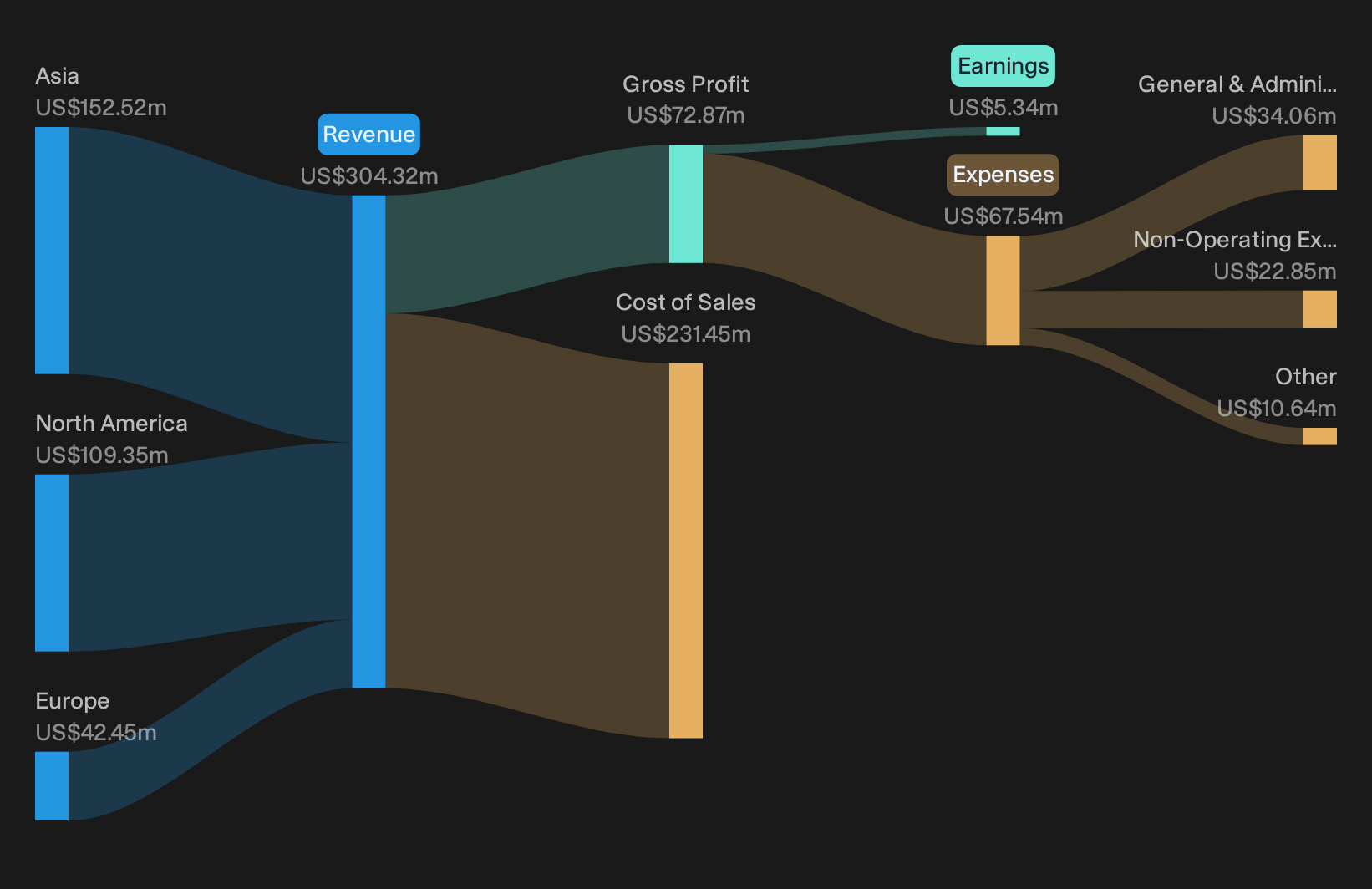
Paladin Energy is a pure uranium mining and development play, tightly linked to nuclear fuel supply through its Langer Heinrich operation in Namibia, which generated about US$304 million of revenue, and an A$3.4b market value that anchors it among larger ASX resource stocks.
Paladin Energy ties directly into the nuclear energy theme because its entire business is geared to finding, developing and producing uranium ore, with the Langer Heinrich mine in Namibia and the long dated Patterson Lake South project in Canada giving it both current production and future growth options.
"Paladin already has 22.3 million pounds contracted out to 2030 across 12 offtake agreements, with recent sales realised at US$69.90/lb."
What happens to investor enthusiasm now largely depends on how one less visible cost and funding pressure shapes the cash flowing from those tonnes.
That hidden pressure is exactly what the full narrative for Paladin Energy unpacks, revealing how Paladin Energy’s contracts, costs and funding choices could be quietly accelerating or constraining potential long term outcomes.
Seeking Alternatives Before The Crowd?
Fresh ideas move first. By the time momentum is flying, the best entry points are often gone. Scan these under the radar lists while it matters and get in early.
- Spot income workhorses that keep paying even when sentiment drops by scanning a curated set of 4 dividend fortresses that focus on durability, not just headline yields.
- Track productivity winners riding automation momentum through a refined basket of 95 robotics and automation stocks and see which operators are quietly capturing real-world demand before others catch on.
- Target financial resilience when markets wobble by filtering for a list of solid balance sheet and fundamentals (12 results) that helps you zero in on sturdier businesses instead of fragile momentum stories.
Have feedback on this article? Concerned about the content? Get in touch with us directly. Alternatively, email editorial-team@simplywallst.com