


Income Investors Should Know That Orvis Corporation (TSE:7827) Goes Ex-Dividend Soon
Regular readers will know that we love our dividends at Simply Wall St, which is why it's exciting to see Orvis Corporation (TSE:7827) is about to trade ex-dividend in the next 3 days. The ex-dividend date is commonly two business days before the record date, which is the cut-off date for shareholders to be present on the company's books to be eligible for a dividend payment. The ex-dividend date is important because any transaction on a stock needs to have been settled before the record date in order to be eligible for a dividend. This means that investors who purchase Orvis' shares on or after the 29th of October will not receive the dividend, which will be paid on the 30th of January.
The company's next dividend payment will be JP¥62.00 per share, on the back of last year when the company paid a total of JP¥62.00 to shareholders. Calculating the last year's worth of payments shows that Orvis has a trailing yield of 3.5% on the current share price of JP¥1791.00. If you buy this business for its dividend, you should have an idea of whether Orvis's dividend is reliable and sustainable. We need to see whether the dividend is covered by earnings and if it's growing.
Dividends are typically paid out of company income, so if a company pays out more than it earned, its dividend is usually at a higher risk of being cut. Orvis paid out more than half (65%) of its earnings last year, which is a regular payout ratio for most companies. That said, even highly profitable companies sometimes might not generate enough cash to pay the dividend, which is why we should always check if the dividend is covered by cash flow. Luckily it paid out just 15% of its free cash flow last year.
It's positive to see that Orvis's dividend is covered by both profits and cash flow, since this is generally a sign that the dividend is sustainable, and a lower payout ratio usually suggests a greater margin of safety before the dividend gets cut.
See our latest analysis for Orvis
Click here to see how much of its profit Orvis paid out over the last 12 months.
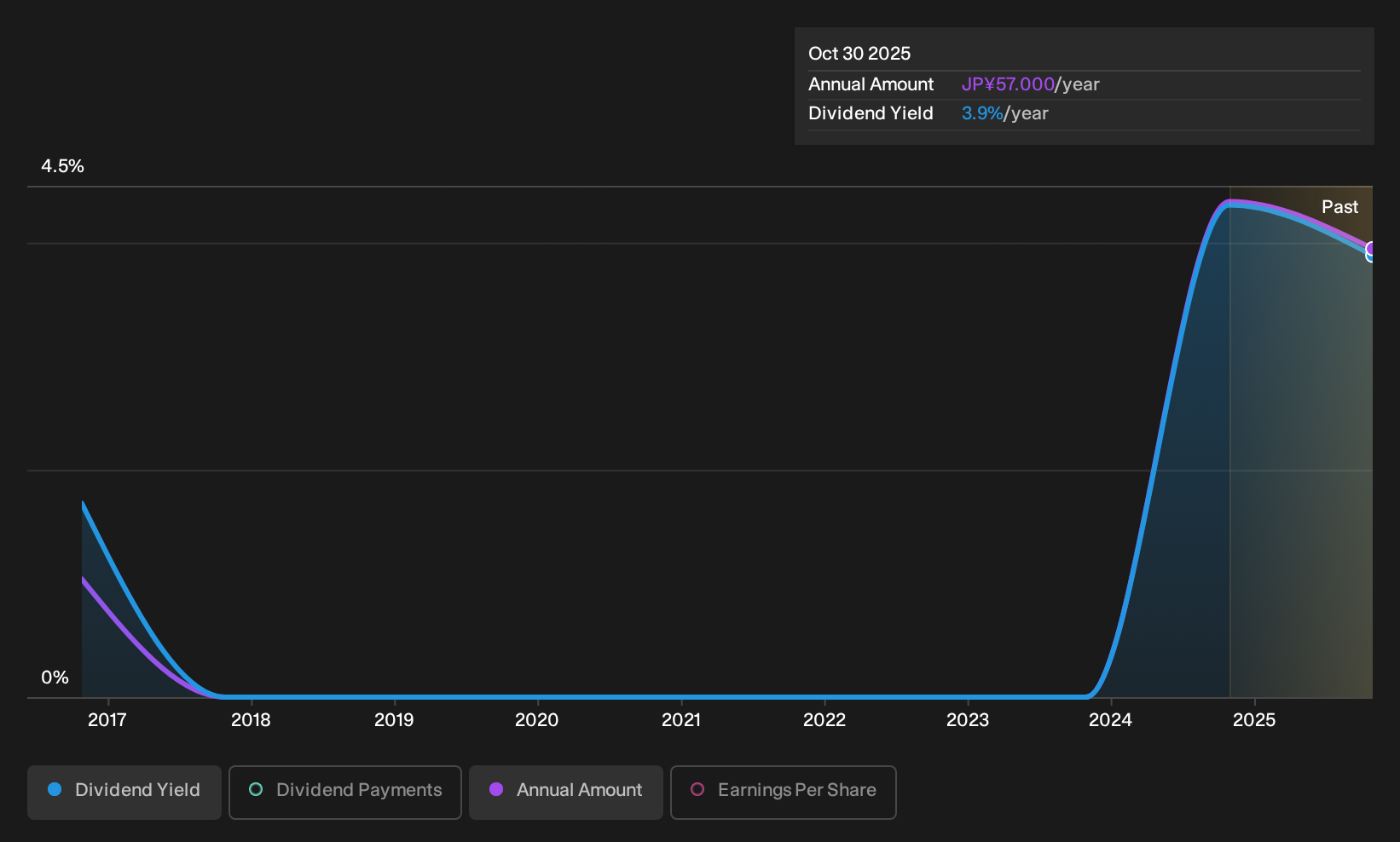
Have Earnings And Dividends Been Growing?
Businesses with shrinking earnings are tricky from a dividend perspective. Investors love dividends, so if earnings fall and the dividend is reduced, expect a stock to be sold off heavily at the same time. From this viewpoint, it's unfortunate that earnings per share have declined 18% over the last year.
Another key way to measure a company's dividend prospects is by measuring its historical rate of dividend growth. Orvis has delivered 15% dividend growth per year on average over the past 10 years. Growing the dividend payout ratio while earnings are declining can deliver nice returns for a while, but it's always worth checking for when the company can't increase the payout ratio any more - because then the music stops.
Final Takeaway
Is Orvis worth buying for its dividend? The payout ratios are within a reasonable range, implying the dividend may be sustainable. Declining earnings are a serious concern, however, and could pose a threat to the dividend in future. Overall, it's not a bad combination, but we feel that there are likely more attractive dividend prospects out there.
With that being said, if dividends aren't your biggest concern with Orvis, you should know about the other risks facing this business. We've identified 5 warning signs with Orvis (at least 1 which is potentially serious), and understanding these should be part of your investment process.
If you're in the market for strong dividend payers, we recommend checking our selection of top dividend stocks.
Have feedback on this article? Concerned about the content? Get in touch with us directly. Alternatively, email editorial-team (at) simplywallst.com.