


What Contact Energy Shares Operating Results Mean For Shareholders
- Contact Energy reported September 2026 operating data showing thermal generation of 3 GWh versus 28 GWh a year earlier, geothermal output of 416 GWh versus 427 GWh, and hydro generation of 520 GWh versus 475 GWh, with similar shifts over the three month period.
- The sharp reduction in thermal output alongside higher hydro generation highlights a changing production mix that could influence Contact Energy's cost base and emissions profile, both of which are key inputs for long term planning and risk assessment.
- The focus now turns to how Contact Energy's investment narrative evolves given the marked swing toward hydro generation in these results.
Contact Energy Investment Narrative Recap
For Contact Energy, the core belief is that a largely renewable generation fleet can support earnings while the retail arm works through margin pressure. The latest operating data fits that picture. Hydro and geothermal output remain central, with thermal now a small contributor, which can influence fuel costs, emissions and how flexible the portfolio feels in different weather conditions.
The key short term swing factor still sits in retail and costs, rather than in this single quarter of generation data. Wholesale performance can offset some pressure, although flat electricity demand in New Zealand keeps volume growth modest. The main risk remains rising operating expenses and high debt levels combining with a dividend that is not fully covered by earnings or free cash flow.
The September 2026 operating update matters most when viewed alongside Contact Energy's ongoing build out of geothermal and hydro projects such as Tauhara and Te Huka 3. Those projects are intended to shift the production mix further toward renewable sources and support long term contracts with industrial customers that want cleaner electricity.
The current hydro heavy run rate shows what the portfolio can look like when water conditions are supportive. As more geothermal capacity beds in and battery projects progress, execution risk sits around delivering these assets on time and on budget while managing leverage. That combination of project delivery, balance sheet discipline and regulatory outcomes is likely to shape how much value investors place on these operating trends.
Contact Energy's current analyst narrative points to forecast revenue of NZ$3.6b and projected earnings of NZ$408.5m by 2029, based on an assumed 2.6% yearly revenue growth rate and an earnings increase of about NZ$15.5m from current earnings of NZ$393.0m.
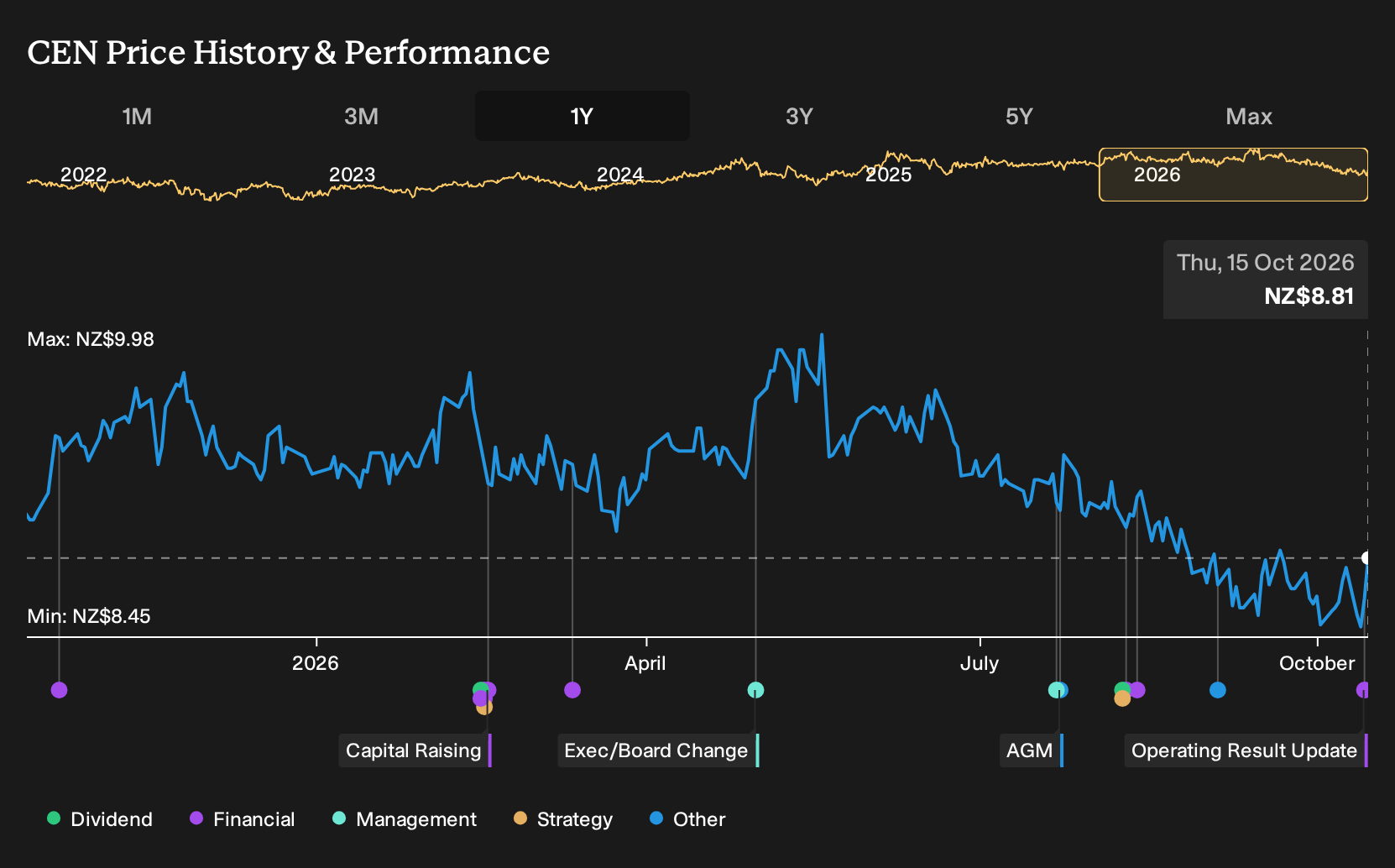
Uncover how Contact Energy's fair value indicates a 19% potential upside to its current price, which could narrow quickly if sentiment catches up.
Exploring Other Perspectives
Three fair value estimates from the Simply Wall St Community cluster between NZ$10.35 and NZ$20.53, so you are seeing both cautious and optimistic takes on Contact Energy side by side. Set that against weak retail profitability, higher leverage and regulatory review risk, then decide which camp best matches your expectations before exploring more views.
Explore 2 other Contact Energy fair value estimates, including one that suggests as much as 133% upside from the current price!
The Verdict Is Yours
Don't just follow the ticker; dig into the data and build a conviction that's truly your own.
- A great starting point for your Contact Energy research is our analysis highlighting 2 key rewards and 2 important warning signs that could impact your investment decision.
- See our latest analysis for Contact Energy. The report includes a comprehensive fundamental analysis summarized in a single visual, the Snowflake, making it easy to evaluate Contact Energy's overall financial health at a glance.
Looking for more investment ideas beyond Contact Energy?
Once you have a view on Contact Energy, it can help to scan a wider field of opportunities so you are not relying on a single story or sector. The Simply Wall St Screener lets you filter for themes, balance sheet strength and income potential in a few clicks.
- If you want potential upside with tighter financial discipline, start with a focused group of 613 high quality undiscovered gems that already show strong fundamentals.
- For investors who care most about resilience, you can narrow in on 224 resilient stocks with low risk scores that score well on stability and downside protection.
- If income is your priority, there is a curated pool of 219 dividend fortresses that may suit a portfolio tilted toward cash returns.
This article by Simply Wall St is general in nature. We provide commentary based on historical data and analyst forecasts only using an unbiased methodology and our articles are not intended to be financial advice. It does not constitute a recommendation to buy or sell any stock, and does not take account of your objectives, or your financial situation. We aim to bring you long-term focused analysis driven by fundamental data. Note that our analysis may not factor in the latest price-sensitive company announcements or qualitative material. Simply Wall St has no position in any stocks mentioned.
Have feedback on this article? Concerned about the content? Get in touch with us directly. Alternatively, email editorial-team@simplywallst.com