


Is Industrial Tech Corridor Altering The Investment Case For Allianz (XTRA:ALV)?
- The UK and Germany previously agreed to create an Industrial Tech Corridor under the Kensington Treaty, with Allianz joining as a German industrial and financial partner to connect fast-growing technology businesses with investors and established corporates across both markets.
- Allianz’s role in this corridor positions the group closer to emerging industrial technologies and potential clients, which may influence how it allocates capital across insurance underwriting, business interruption coverage, and asset management products for technology focused enterprises.
- We will examine how Allianz's existing investment narrative is shaped by its role in the UK Germany Industrial Tech Corridor for industrial technologies.
Scan other industrial and infrastructure insurers moving toward tech heavy risk and capital themes with our curated list of list of solid balance sheet and fundamentals (204 results).
Allianz Investment Narrative Recap
To own Allianz, you need to be comfortable with a large, diversified insurer that leans on steady underwriting, fee income from asset management, and disciplined capital use rather than high growth. The near term swing factor is how commercial lines pricing and loss trends evolve, especially in complex corporate risks where rate momentum already looks mixed. The Industrial Tech Corridor news does not materially change that near term setup.
The biggest pressure point still sits in execution and risk control. Integrating multiple partnerships, managing higher digital and cyber exposure, and staying on the right side of regulators can all chip away at margins if mismanaged. FX volatility and interventions in markets like Argentina also remain background risks to reported earnings quality.
The corridor announcement links Allianz directly to industrial technology clients that are wrestling with complex business interruption and cyber exposures. That plugs into a key operational catalyst. Management has been pushing digital tools and AI driven processes to improve underwriting decisions and expense ratios. A closer view on tech heavy risks and data rich clients could support that effort if Allianz prices and structures cover carefully.
On the flip side, the same theme intersects with one of the sharper threats already on the table. The AZ Life data breach and rising cyber risk show how quickly technology exposure can turn into legal and reputational issues. As Allianz moves nearer to critical infrastructure and industrial tech ecosystems, the bar for cyber security, compliance, and product design gets higher, which keeps operational execution firmly in focus for shareholders.
Allianz Forecasts Behind the Tech Corridor Story
Allianz's link to the Industrial Tech Corridor sits on top of a much bigger set of expectations that analysts have already baked into their models. The numbers here matter because they frame how much room the insurer has to absorb corridor related risks in industrial technology while still meeting consensus assumptions on growth, margins, and capital use.
Analysts are currently working with a revenue growth rate of 17.3% a year over the next three years, even as they expect profit margins to shrink from 9.7% today to 6.8% by 2029. That combination points to a profile where top line expansion carries more of the load while profitability per euro of revenue is expected to compress. For anyone watching Allianz lean into more complex industrial tech exposures, it sets a high bar for underwriting discipline and cost control.
Forecasts also assume that earnings will rise from €11.6b today to a consensus of €13.0b by 2029, which is an increase of about €1.4b. Within that, the analyst spread is wide, with estimates ranging from €10.5b to €15.2b. The scale of that disagreement underlines how sensitive the outlook is to execution in areas like cyber coverage, industrial business interruption policies, and the broader digitalisation effort that Allianz is pushing across claims and underwriting.
Allianz's narrative projects €192.8b revenue and €13.0b earnings by 2029. This assumes 17.3% yearly revenue growth and an earnings increase of about €1.4b from current earnings of €11.6b.
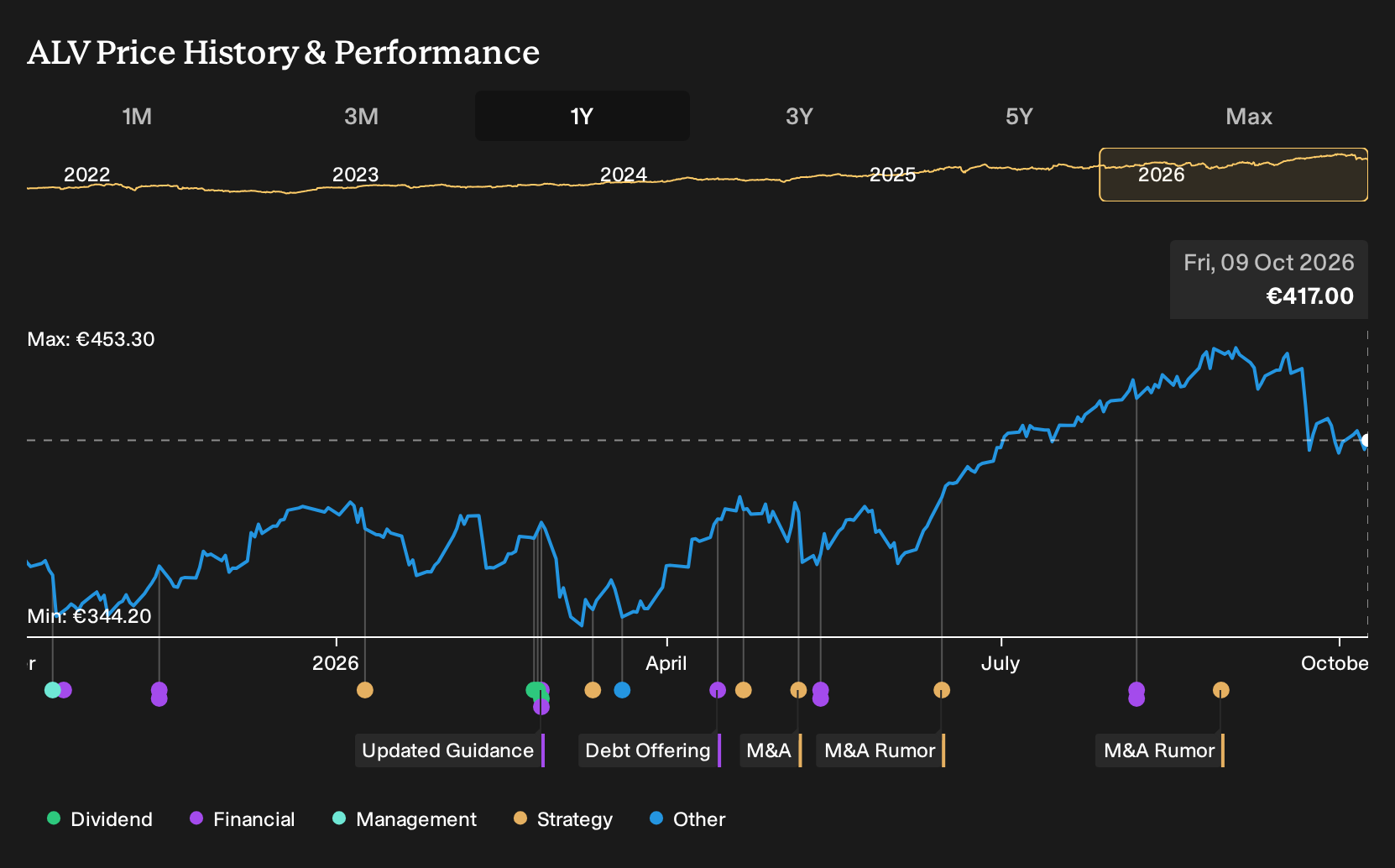
Uncover why Allianz's fair value indicates a 6% potential upside to its current price that could narrow quickly.
Exploring Other Perspectives
For a very different angle, focus on Allianz’s AI push. The most optimistic analysts were already pencilling in €222.7b of revenue and €15.1b of earnings by 2029, assuming strong productivity gains. You can now ask whether the Industrial Tech Corridor either strengthens that upbeat AI story or forces everyone to rethink it.
Explore 4 other Allianz fair value estimates, including one that suggests as much as 116% upside from the current price!
Reach Your Own Conclusion
Disagree with existing narratives? Extraordinary investment returns rarely come from following the herd, so go with your instincts.
- A great starting point for your Allianz research is our analysis highlighting 4 key rewards that could impact your investment decision.
- See our latest analysis for Allianz. The report includes a comprehensive fundamental analysis summarized in a single visual, the Snowflake, making it easy to evaluate Allianz's overall financial health at a glance.
Looking for more investment ideas beyond Allianz?
Once you have a view on Allianz, it can help to compare it with other companies that match different risk and income profiles using the Simply Wall St Screener.
- If you want lower volatility and steadier balance sheets, start with a 222 resilient stocks with low risk scores that could sit alongside an insurer like Allianz in a more defensive portfolio.
- For investors who focus on value opportunities, broaden your watchlist with a 175 high quality undervalued stocks that pass simple quality and pricing checks.
- Income focused portfolios can benefit from a separate hunting ground, so scan a 223 dividend fortresses that aim to pair higher yields with resilient fundamentals.
This article by Simply Wall St is general in nature. We provide commentary based on historical data and analyst forecasts only using an unbiased methodology and our articles are not intended to be financial advice. It does not constitute a recommendation to buy or sell any stock, and does not take account of your objectives, or your financial situation. We aim to bring you long-term focused analysis driven by fundamental data. Note that our analysis may not factor in the latest price-sensitive company announcements or qualitative material. Simply Wall St has no position in any stocks mentioned.
Have feedback on this article? Concerned about the content? Get in touch with us directly. Alternatively, email editorial-team@simplywallst.com