


3 AI Chip Stocks Riding The Memory Demand Behind Samsung’s Latest Forecast
Samsung’s forecast for a record 107.4 trillion won, roughly US$80.2b, in Q3 operating profit has turned the AI-driven chip story from theory into headline numbers, and investors now have to decide whether this surge in memory demand is a brief spike or a longer trend worth positioning around. This article breaks down three stocks from an AI-focused semiconductor and memory screener that appear positively exposed to the same forces behind Samsung’s latest guidance, so you can see how different business models might either benefit from or be tested by this phase of the cycle.
The stocks below are just a starting sample, and the full screen surfaced 42 more AI-driven semiconductor and memory companies with equally compelling narratives that are not covered here. To identify and analyze your own highest-conviction angles in this theme, head straight to the AI-Driven Semiconductor & Memory Chip Makers screener.
Winbond Electronics (TWSE:2344)
Overview: Winbond Electronics supplies DRAM, NAND and specialty memory chips used in AI data centers and edge devices, plus broader IC services.
Operations: Winbond generated roughly NT$65.4b from customized memory solutions, NT$49.5b from flash memory products and NT$29.8b from logic products, alongside smaller unallocated income.
Market Cap: NT$807.8b
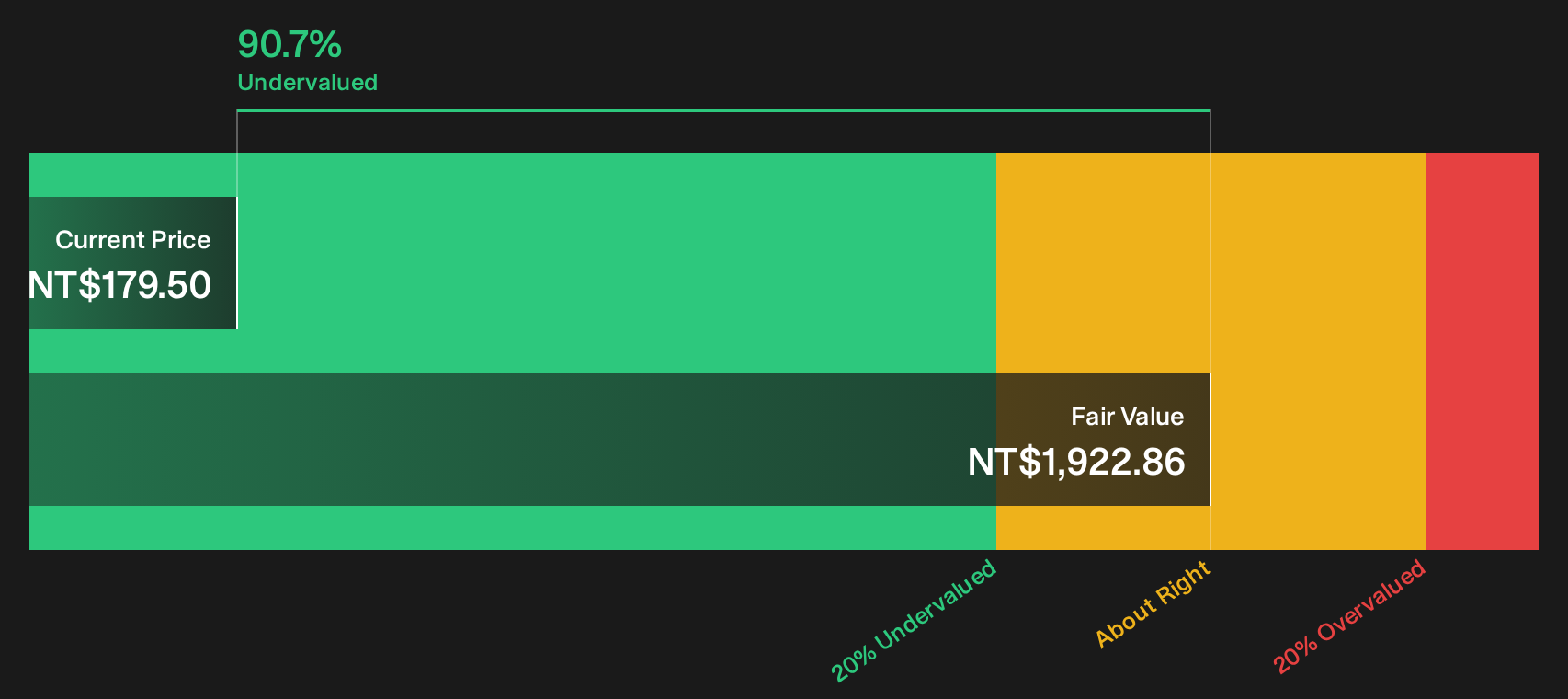
Winbond Electronics is closely linked to the AI memory theme, with DRAM, NAND and specialty products supporting data center and edge workloads. Its valuation, including P/E and estimated fair value, is an important consideration for investors. A key question is how its profitability might change if a single, less visible pressure on AI-driven memory pricing were to shift direction.
That pricing pressure question is exactly why many investors start with the DCF valuation analysis for Winbond Electronics to see how much optimism is already baked in.
Global Unichip (TWSE:3443)
Overview: Global Unichip designs custom AI-focused SoCs and ASICs with embedded memory, logic, and IP blocks, plus related design services.
Operations: Global Unichip generates about NT$46.4b from semiconductor equipment and services, with customers spread across the United States, Taiwan, China, Japan, Korea, and Europe.
Market Cap: NT$1,133.7b
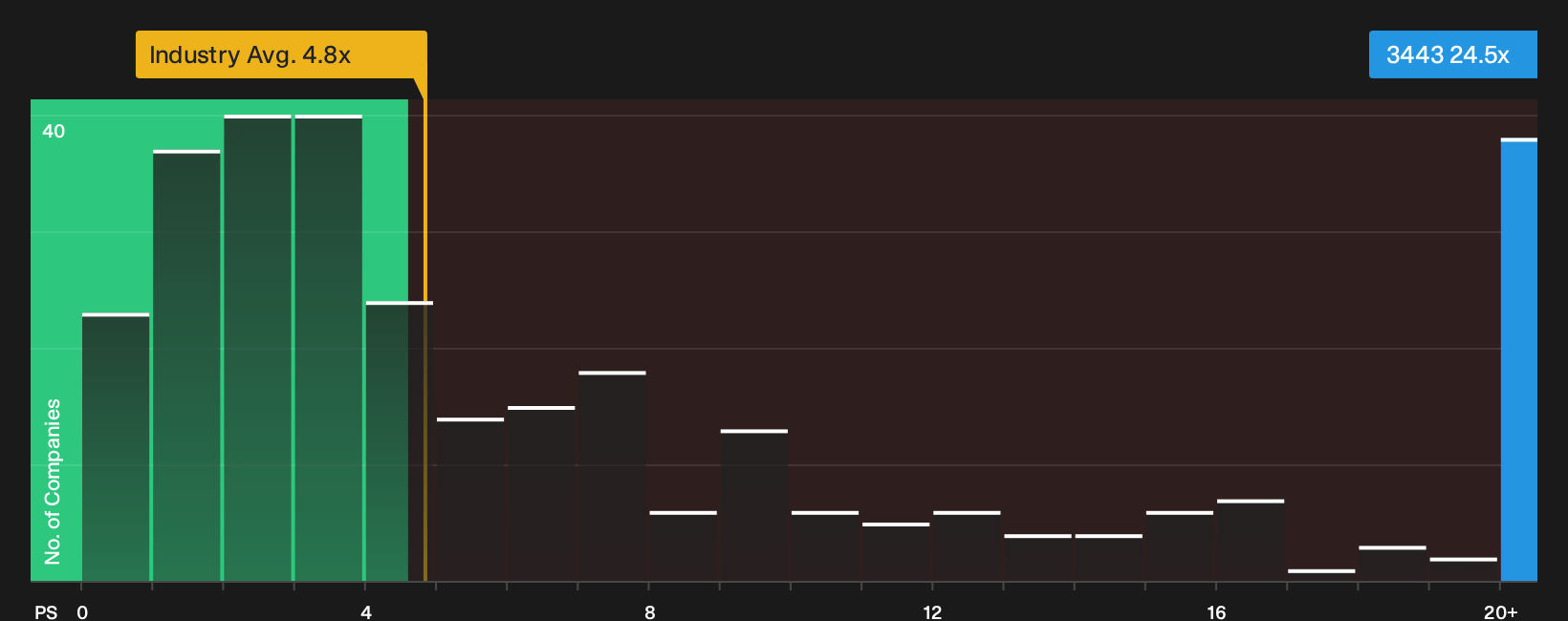
Global Unichip links cleanly into the AI memory theme because its embedded memory IP and ASIC design services sit inside many AI accelerators that need fast, tightly integrated memory blocks. Revenue of NT$25,344.37 million and net income of NT$3,201.5 million for the first half of 2026, alongside a rich P/S multiple, make the story sensitive to what may happen if a single key assumption on profitability shifts direction.
If you are focusing primarily on that single shift to profitability, you can go directly to the 2 key rewards and 2 important warning signs (2 are major!) to review what the market might be overlooking.
Silicon Motion Technology (SIMO)
Overview: Silicon Motion Technology designs NAND flash controllers that power SSDs and embedded storage used in AI data centers, PCs, smartphones and connected devices worldwide.
Operations: Silicon Motion Technology generates about US$1.3b from developing NAND flash controllers for solid state storage devices, with most revenue linked to China and segment adjustments.
Market Cap: US$9.7b
Silicon Motion Technology matters in this screen because its controllers sit inside the SSDs and embedded storage that keep AI training and inference workloads fed with data. This ties its fortunes directly to how aggressively cloud and enterprise buyers keep building out storage heavy infrastructure.
"The rapid expansion of high performance storage demand from AI, data centers, cloud computing, and edge computing is still fueling adoption of advanced NAND controller solutions. If tight NAND and DRAM supply persists closer to the upper end of current expectations, storage customers may respond by delaying certain deployments or seeking lower cost alternatives."
The real swing factor for Silicon Motion Technology is what happens to controller pricing and product mix if a single unseen supply constraint shifts direction.
That pressure point is exactly where the full narrative for Silicon Motion Technology shows how Silicon Motion Technology could turn supply shifts into accelerating leverage across pricing, product depth and customer mix.

Seeking Alternatives Before Momentum Flies
Fresh ideas move first. Breakout themes rarely stay under the radar for long, and entry windows drop away while it matters. Scan these curated lists and get in early.
- Target income that keeps working for you by reviewing the 224 dividend fortresses before yields get caught dropping as others rush in.
- Front run the next infrastructure momentum wave by checking the 43 power grid technology and infrastructure stocks while these grid and electrification plays remain under the radar for now.
- Position ahead of the next hardware cycle by scanning the 88 robotics and automation stocks before robotics demand sends select tickers flying past comfortable entry points.
This article by Simply Wall St is general in nature. We provide commentary based on historical data and analyst forecasts only using an unbiased methodology and our articles are not intended to be financial advice. It does not constitute a recommendation to buy or sell any stock, and does not take account of your objectives, or your financial situation. We aim to bring you long-term focused analysis driven by fundamental data. Note that our analysis may not factor in the latest price-sensitive company announcements or qualitative material. Simply Wall St has no position in any stocks mentioned.
Have feedback on this article? Concerned about the content? Get in touch with us directly. Alternatively, email editorial-team@simplywallst.com