


Xingzheng Securities: September will be an important decisive window for technology. High-quality technology assets are still expected to be the core driving force for market restoration
The Zhitong Finance App learned that Xingzheng Securities released a research report saying that high-quality hardware and technology assets are still expected to be the core driving force leading the market recovery in the future. Internally, we continue to focus on leading the North American computing power chain, such as optical modules, PCBs, and optical fiber cables, which are still cost-effective in this round of restoration. In terms of configuration, the boom is still the core clue. First, after experiencing the digestion of previous valuations and chips, the beta of the boom since August has returned, and the support for stock prices has been restored; second, after the global interest rate center rises, the market will also focus more on economic certainty in structural choices; third, next week, A-shares will enter a period of intensive reporting of official performance disclosure, and overseas tech giants will also soon be verified in financial reports.
The main views of Xingzheng Securities are as follows:
January and September will be an important decisive window for science and technology
Recently, soaring US long-term bond interest rates have once again become a pricing anchor for global assets, interrupting the recovery led by technology stocks since August. The market is very concerned about whether subsequent equity assets, especially technology stocks, can continue to recover.
The bank believes that recent fluctuations in global technology stocks are, on the one hand, disturbances caused by the rapid upward trend in overseas ultra-long bonds, and on the other hand, disturbances caused by Anthropic's latest ARR falling short of expectations. However, related concerns are expected to ease one after another in mid-late September, which will be an important decisive window for the technology sector.
First, with regard to the recent rapid rise in interest rates on overseas ultra-long bonds, there are both short-term rapid variables such as inflation expectations caused by high oil prices, market concerns that the Fed is unable to control inflation, and seasonal rules driving up term premiums, as well as medium- to long-term slow variables such as rising supply of treasury bonds, debt problems, and the crowding out effects of AI companies' debt issuance. Looking ahead, short-term rapid variables such as oil prices, inflation expectations, and policy statements are expected to begin to ease in September:
1) The current oil price of 93 US dollars/barrel has more room and probability of falling, and inflation expectations are expected to ease: as US strategic oil reserves are exhausted, the US will be forced to resolve the mismatch between crude oil supply and demand as soon as possible. At the same time, as the midterm elections gradually enter a heated phase, in order to preserve the Senate, Trump and the Republican Party will also have stronger incentives and demands to stabilize oil prices in stages.
2) The rapidly soaring interest rate is expected to force the US Federal Reserve to be more relaxed, and subsequent market interest rate hikes are expected to be further revised: on the one hand, recent US employment, inflation, and consumption data have been weakening one after another. As the factors supporting economic resilience gradually subsided in the first half of the year, the signs of a subsequent weakening of the dynamic energy within the US economy will become more obvious. On the other hand, the recent sharp rise in long-term bond yields itself is equivalent to the market's spontaneous tightening of financial conditions, reducing the need for the Federal Reserve to raise interest rates later.
3) At the time of the general election, the Federal Reserve also stood still: Since 1990, in the second half of the election year, the Federal Reserve has never experienced a hawkish policy shift, especially when hawkish operations (including interest rate hikes, QT, and Qetaper) were carried out in October and November of the election year.
Therefore, in September-October, interest rates on US long-term bonds are expected to peak and fall as oil prices fall in stages, compounding the market's repricing of the 26-year interest rate hike expectations. For technology stocks, it will be the second denominator side logical support provided by improved macro-liquidity following the easing of micro liquidity pressure in July, which is expected to provide a favorable opportunity for the market to once again forge consensus.
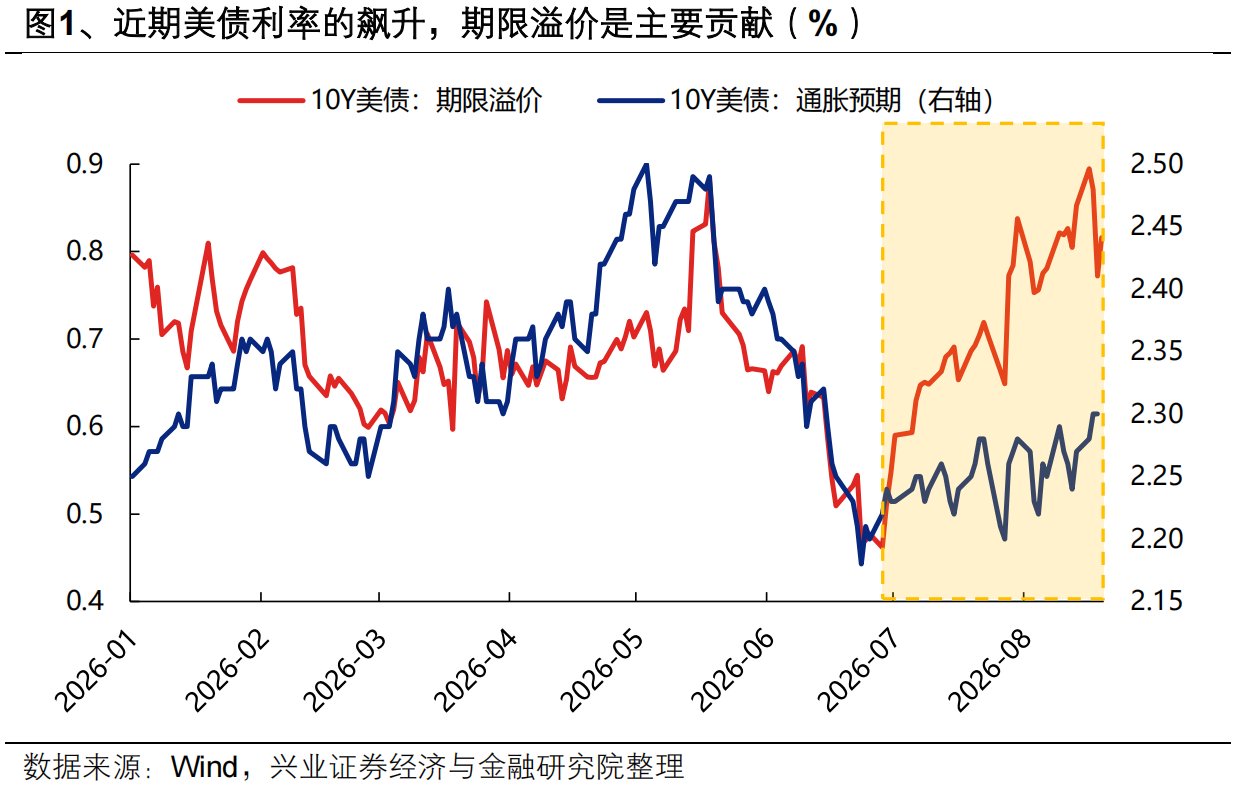
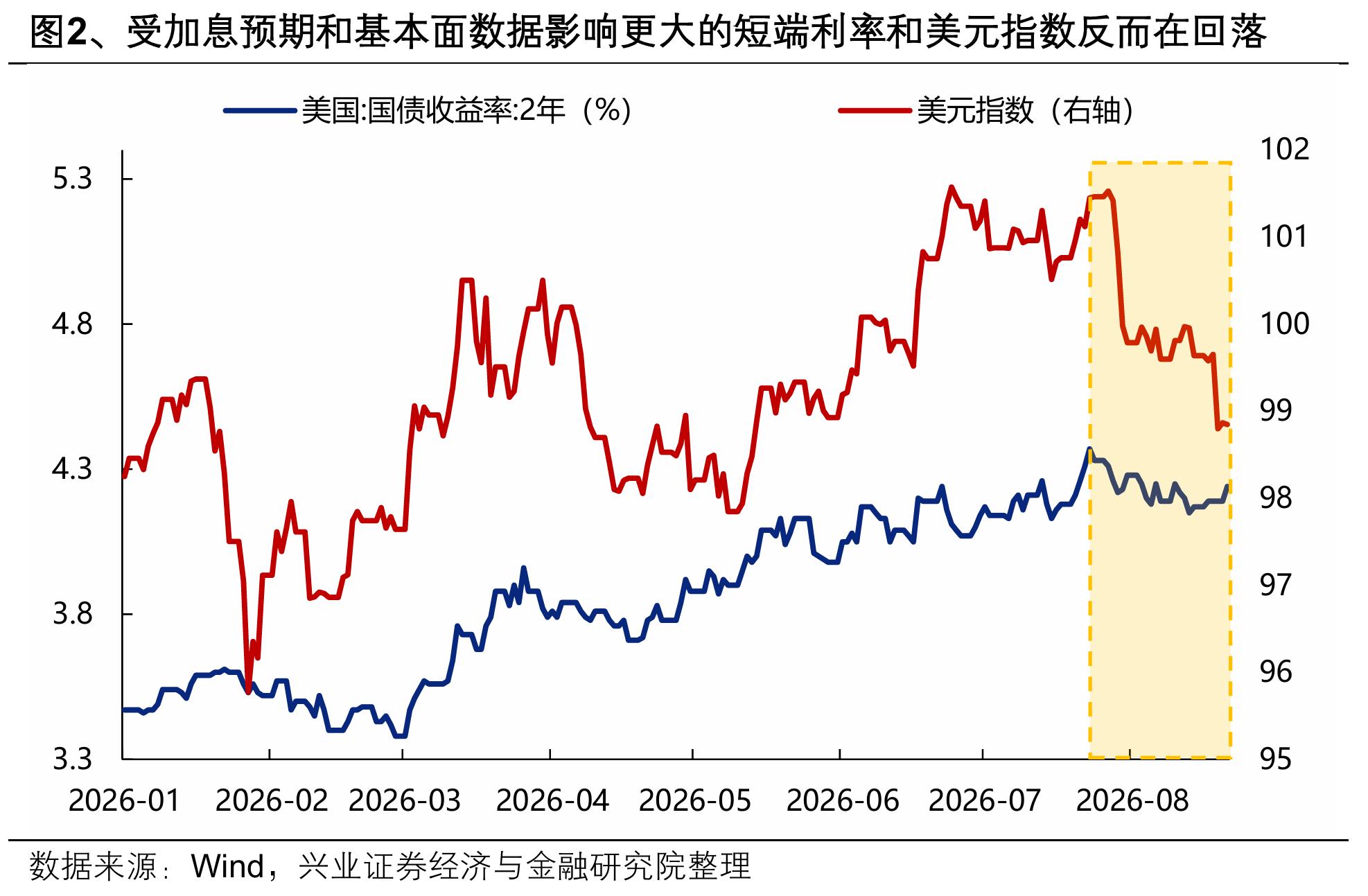
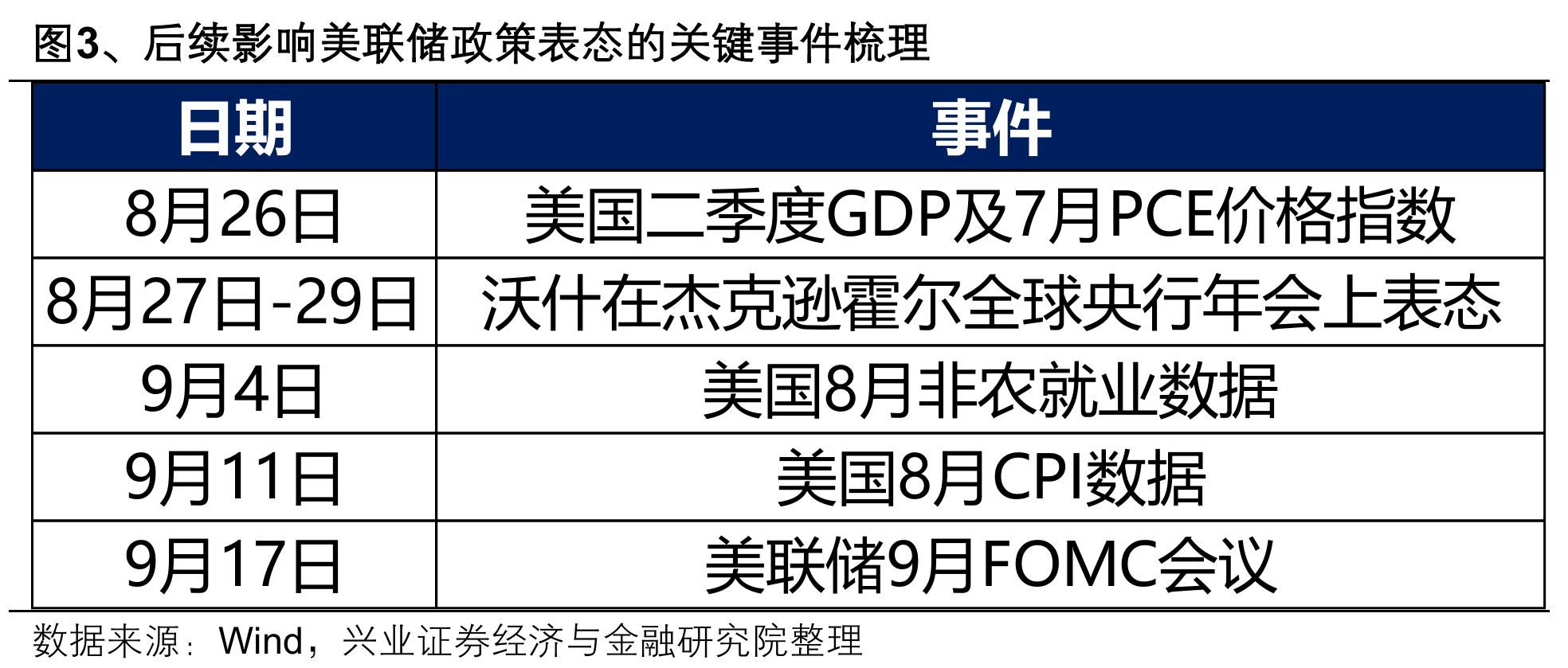
There are several observation windows for follow-up policy statements. One is Walsh's statement at the Jackson Hole conference to be held next week, the second is the latest inflation and employment data released from the end of August to the beginning of September, and the third is the FOMC meeting to be held in mid-September.
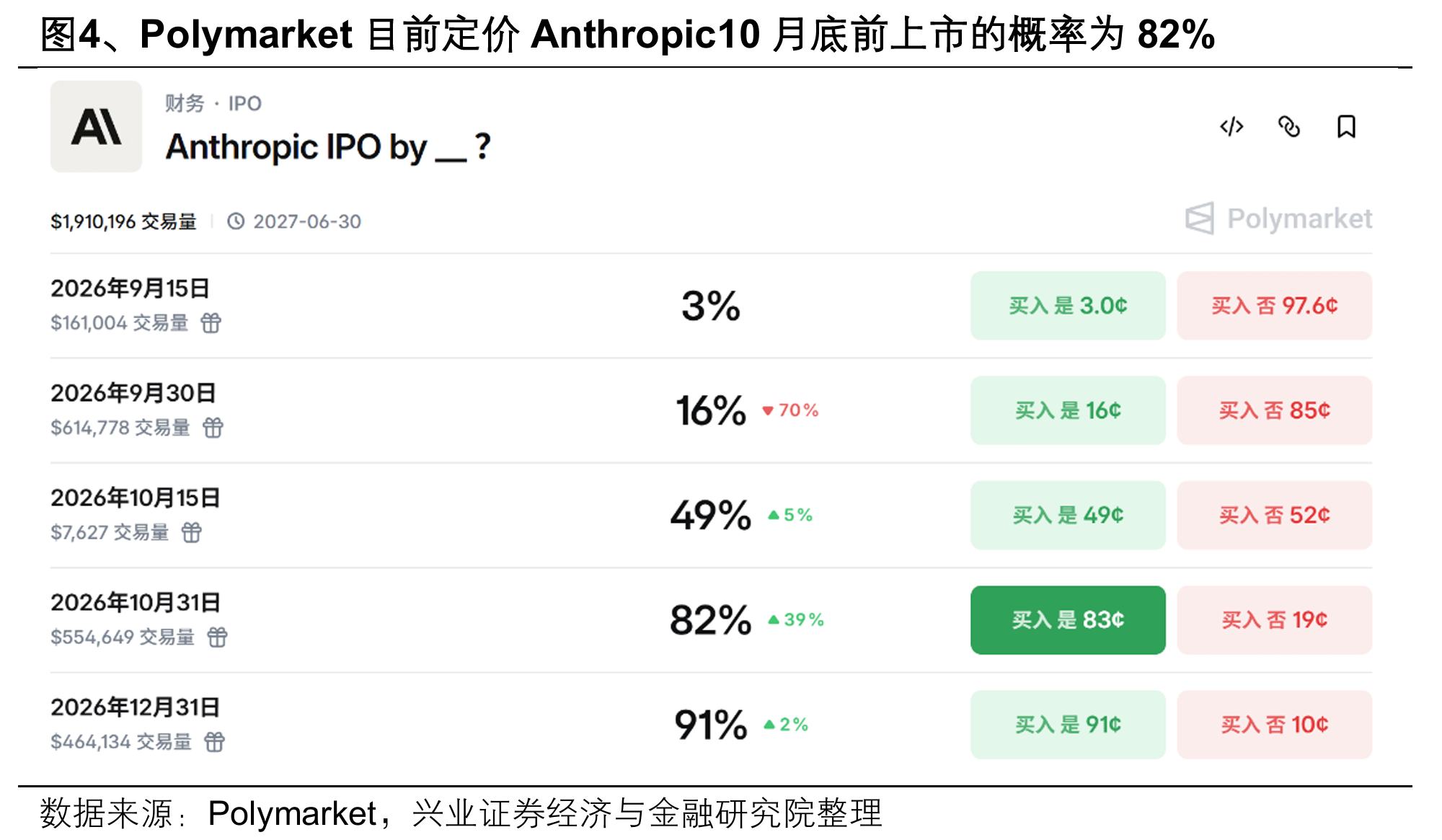
Second, ARR, which is a recent market concern, falls short of expectations. As Anthropic approaches its listing and discloses more clear data, it is also expected to ease related concerns. Polymarket currently has an 82% chance of Anthropic going public before the end of October (16% chance of listing before the end of September). According to US SEC regulations, companies to be listed must publicly submit and issue a prospectus to the entire market at least 15 days before the roadshow begins. At that time, they will disclose more clear ARR calculation methods and financial data, which is expected to ease recent concerns about ARR and AI ROIC.
As a result, with the beginning of September, concerns related to rising overseas ultra-long-term debt and ARR falling short of expectations began to ease one after another. At that time, it will usher in an important decisive window for the technology sector.
2. In the medium to long term, the boom and industry trends are still the core contradictions that dominate this round of AI market
Looking at the medium to long term, even if slow medium- to long-term variables such as fiscal expansion and AI debt crowding out are difficult to quickly ease and push the global interest rate center upward, the economy and industry trends are still the core contradictions that dominate the current AI market.
The impact of rising US bond interest rates on equity assets is more on denominator side valuations. According to historical experience, when the market is led by major industrial trends, if the molecular side is strong enough, it can still hedge against the upward impact of risk-free interest rates to a certain extent, leading stock prices to rise against pressure on the denominator side. There is no shortage of such cases in history:
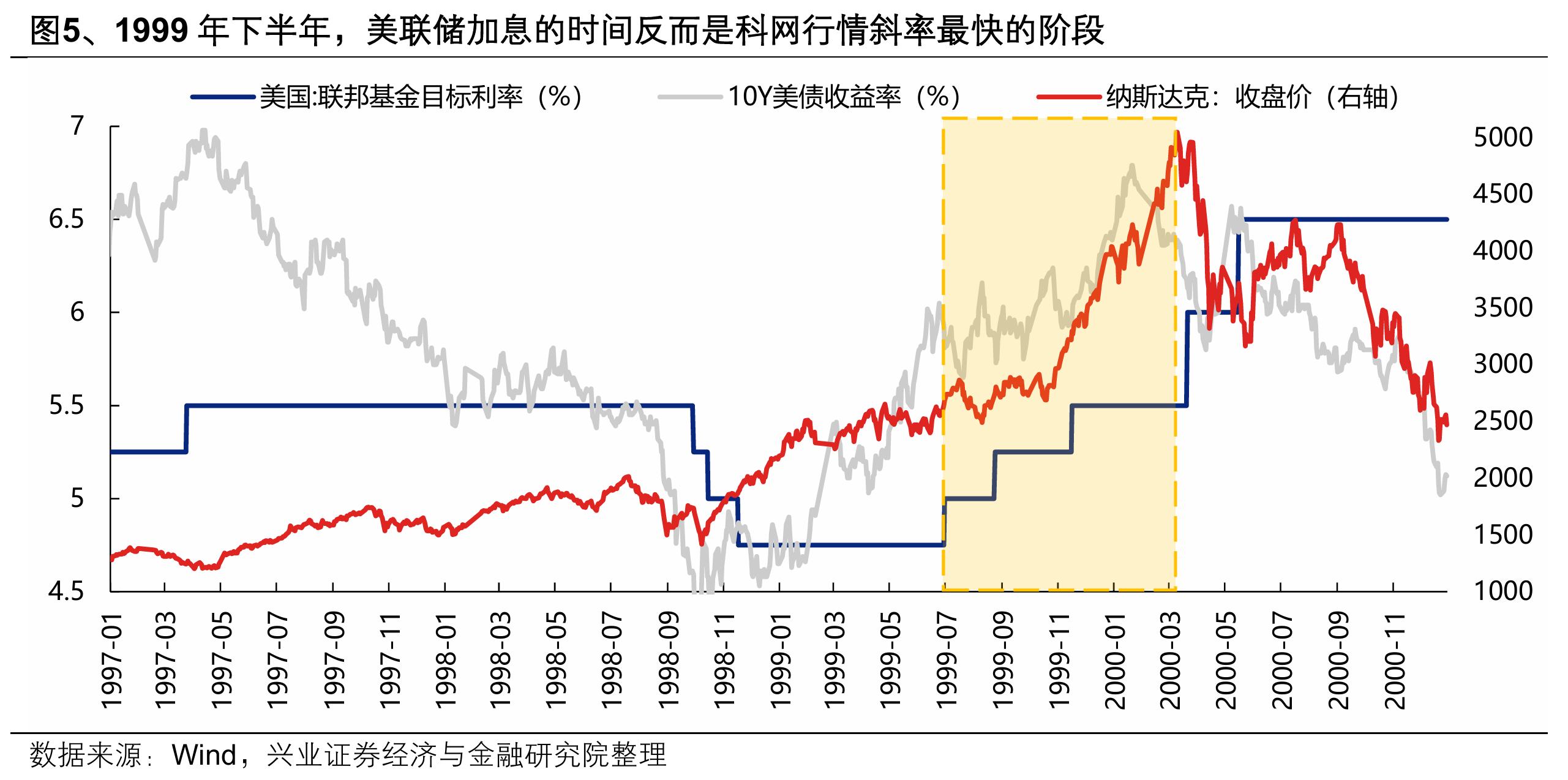
Internet market in the 90s: After the Kosovo War in 1999, the Federal Reserve began a cycle of interest rate hikes in the second half of the year, but this did not end this major industrial trend. Even during the period when the Federal Reserve raised interest rates continuously, it was the stage with the fastest market slope and the craziest industrial investment sentiment throughout the process, leaving behind a period of great “fishtail market”. The core behind this is that the industry's boom trends can still be verified.
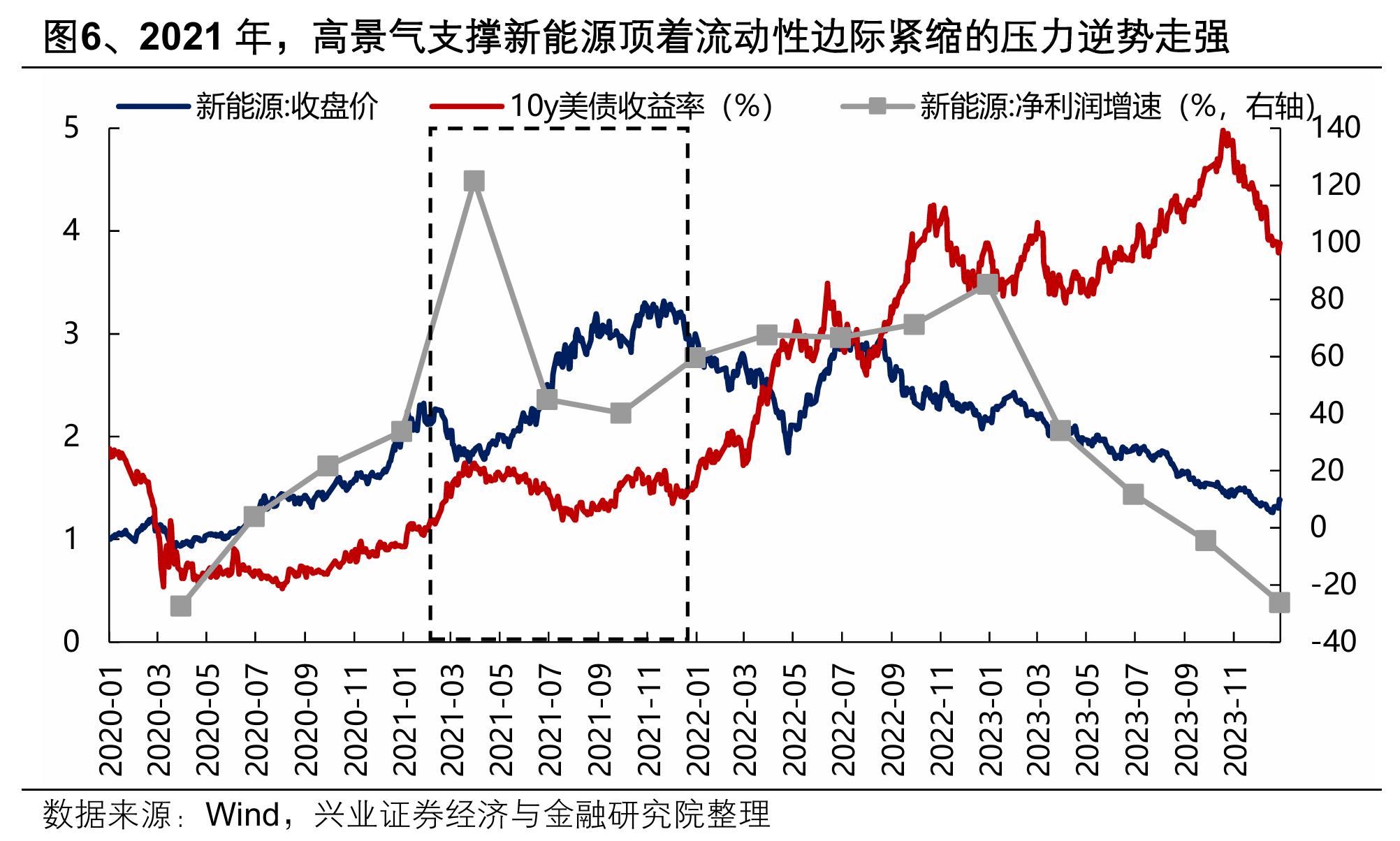
New energy market in '21: Entering '21, the US economy recovered, inflation expectations soared, and interest rates on US bonds rose rapidly. However, the new energy sector is still driven by profits and industry trends, bucked the trend and strengthened under the pressure of tightening liquidity, becoming the core main line throughout the year.
This year in particular, after experiencing the turmoil of Walsh's rise to power and the US-Iran conflict in the first half of the year, the market has adapted to an environment where macro-liquidity is tightening, and the main contradiction in pricing has turned to profit. The bank split the profit and valuation contributions of major global technology markets and major A-share technology growth industries since this year. Whether it's the technology market represented by the US, China, Japan, and South Korea, or the technology growth industry represented by A-share computing power hardware and high-end manufacturing, valuation is no longer a major contribution, majority, or even a drag. Profit is the main contribution leading to the rise in technological growth assets this year.
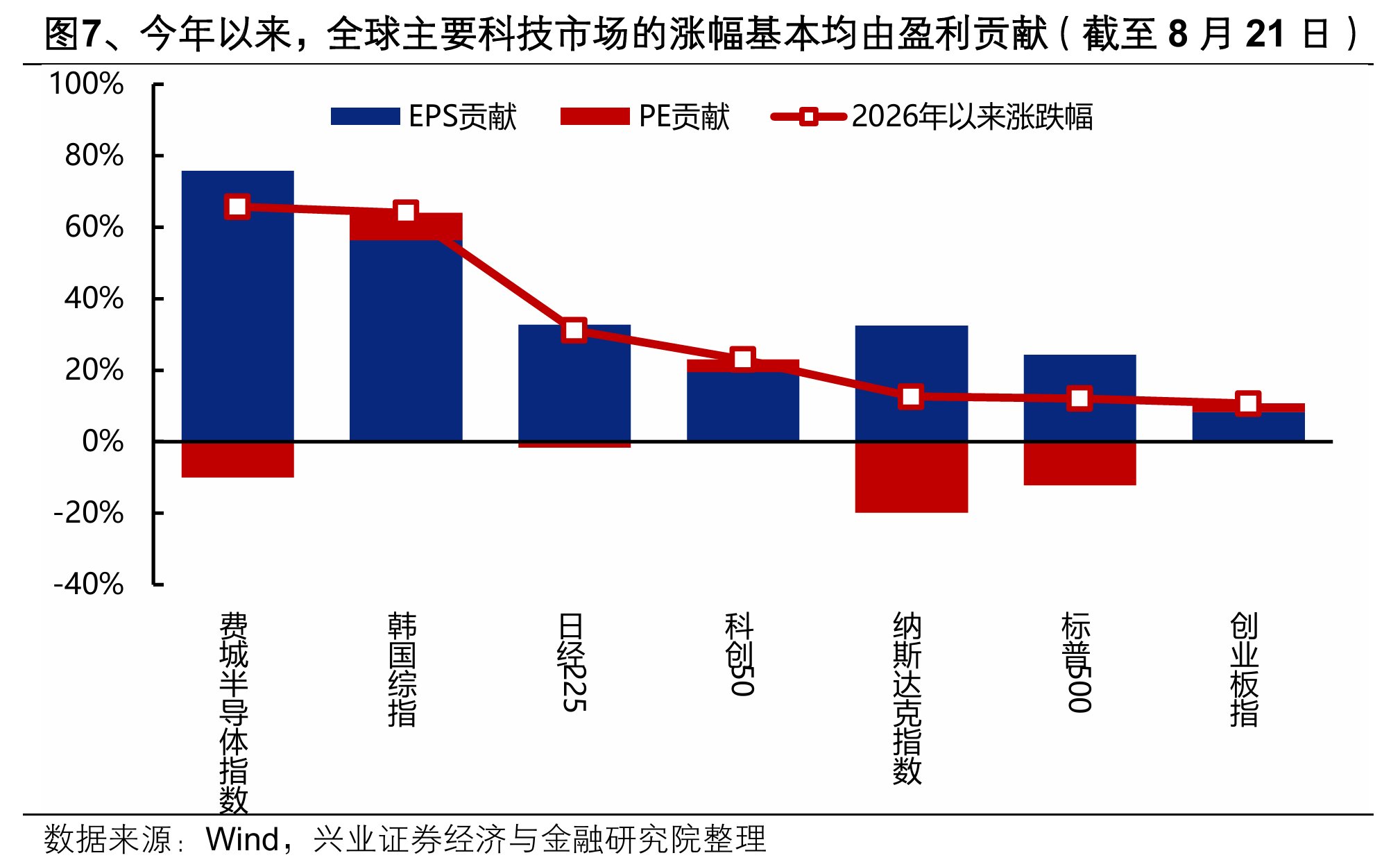
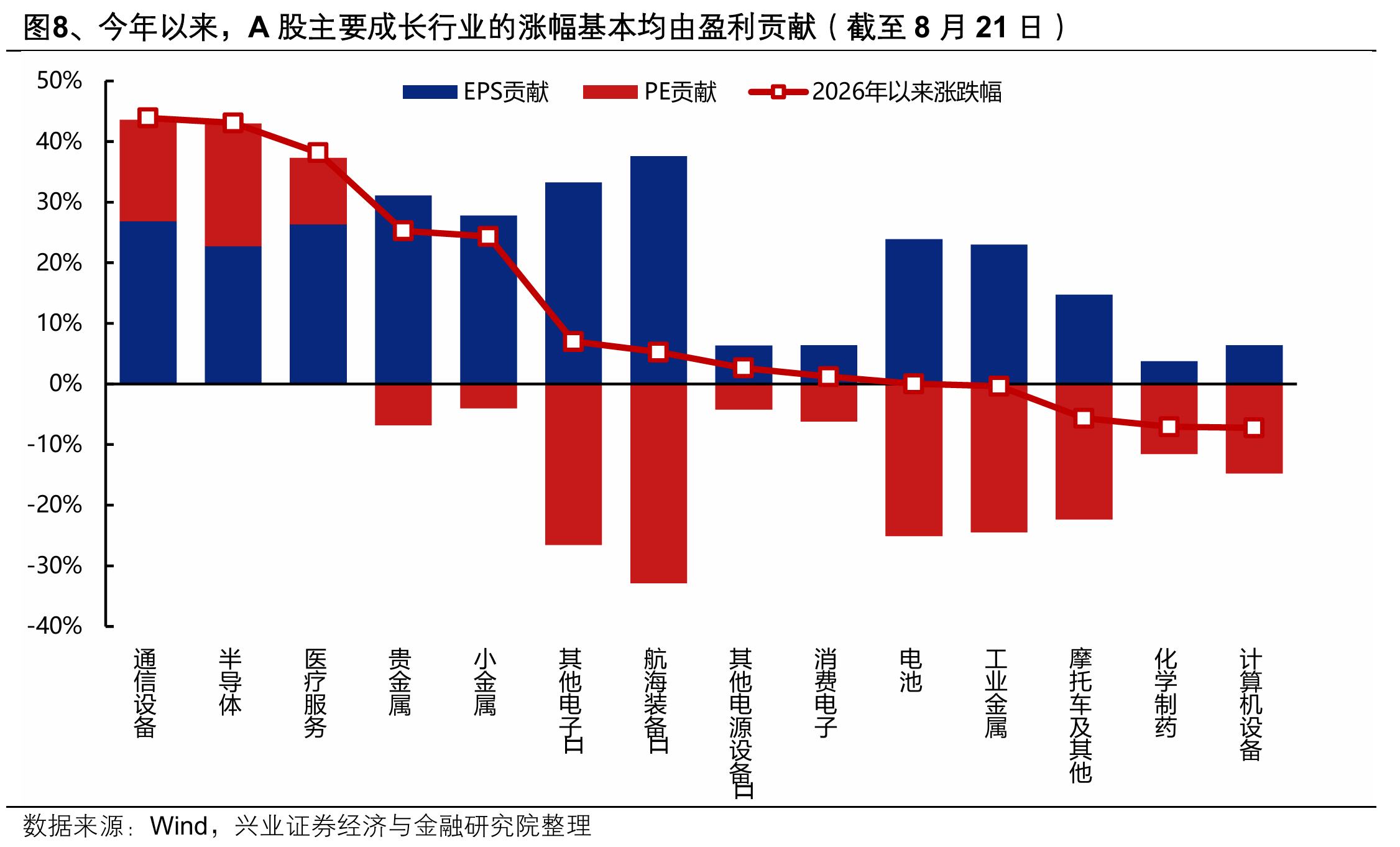
Therefore, even if macro-liquidity margins are tightened this year and US bond interest rates may confirm a higher center, the key to the continuation of the current AI market is still verification of the molecular side of the economy and industry trends.
3. In terms of configuration, continue to revolve around boom clues and the spread of the main pricing boom line
In terms of configuration, the boom is still the core clue. First, after experiencing the digestion of previous valuations and chips, the beta of the boom since August has returned, and the support for stock prices has been restored; second, after the global interest rate center rises, the market will also focus more on economic certainty in structural choices; third, next week, A-shares will enter a period of intensive reporting of official performance disclosure, and overseas tech giants will also soon be verified in financial reports.
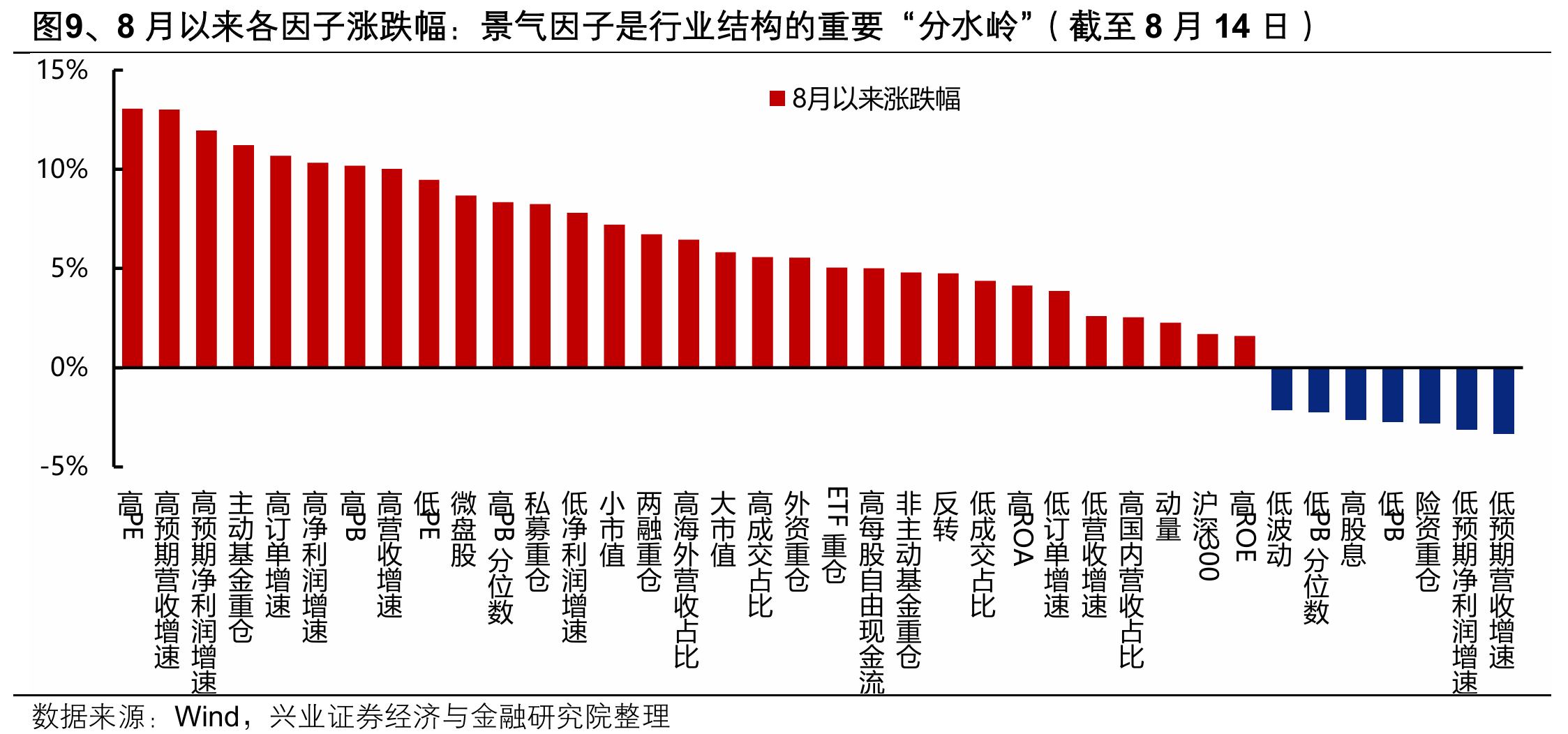
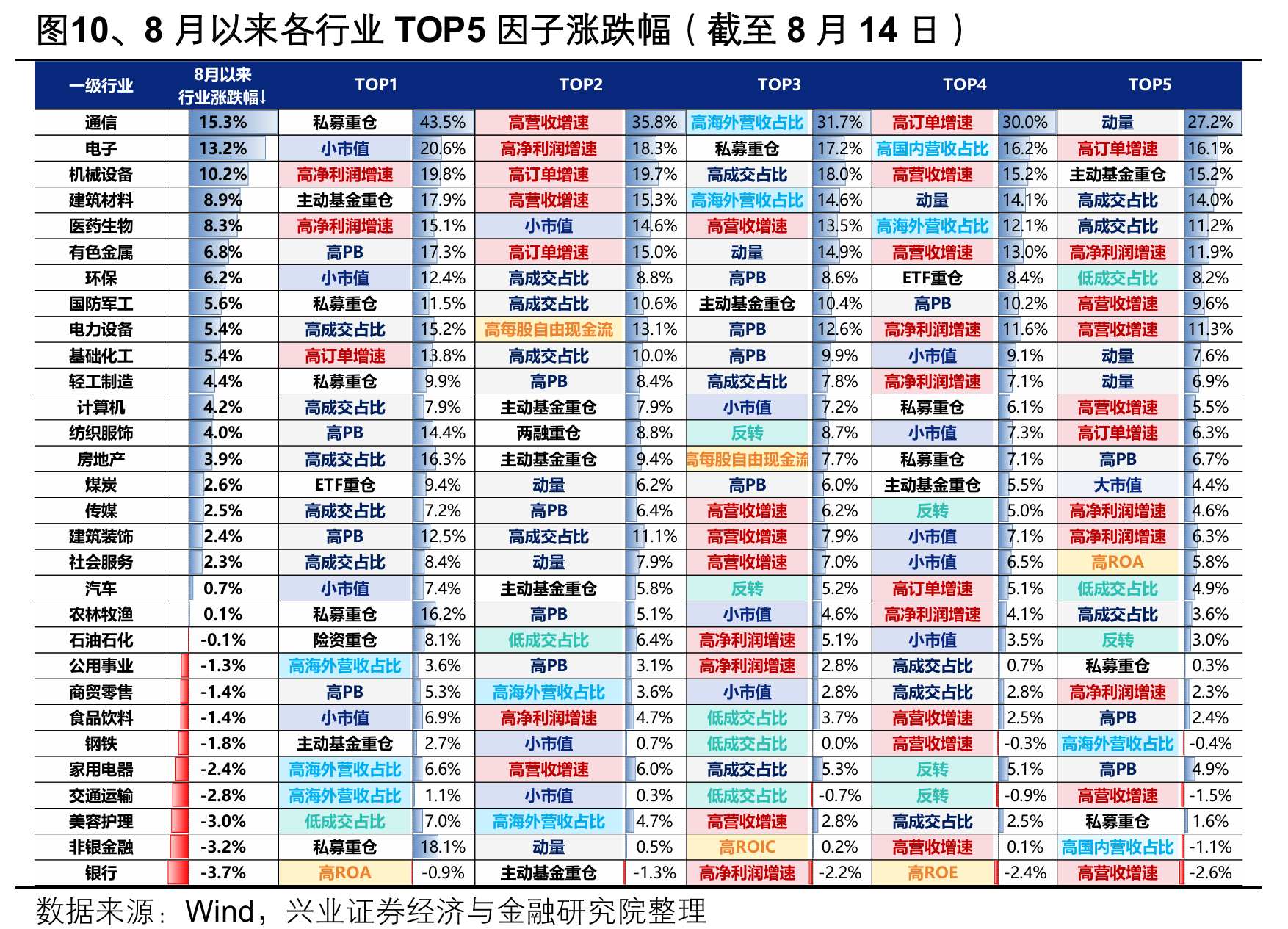
However, after experiencing the previous “rebalancing,” the market is gradually discovering and approving more boom clues, and the scope of pricing will expand more than before.
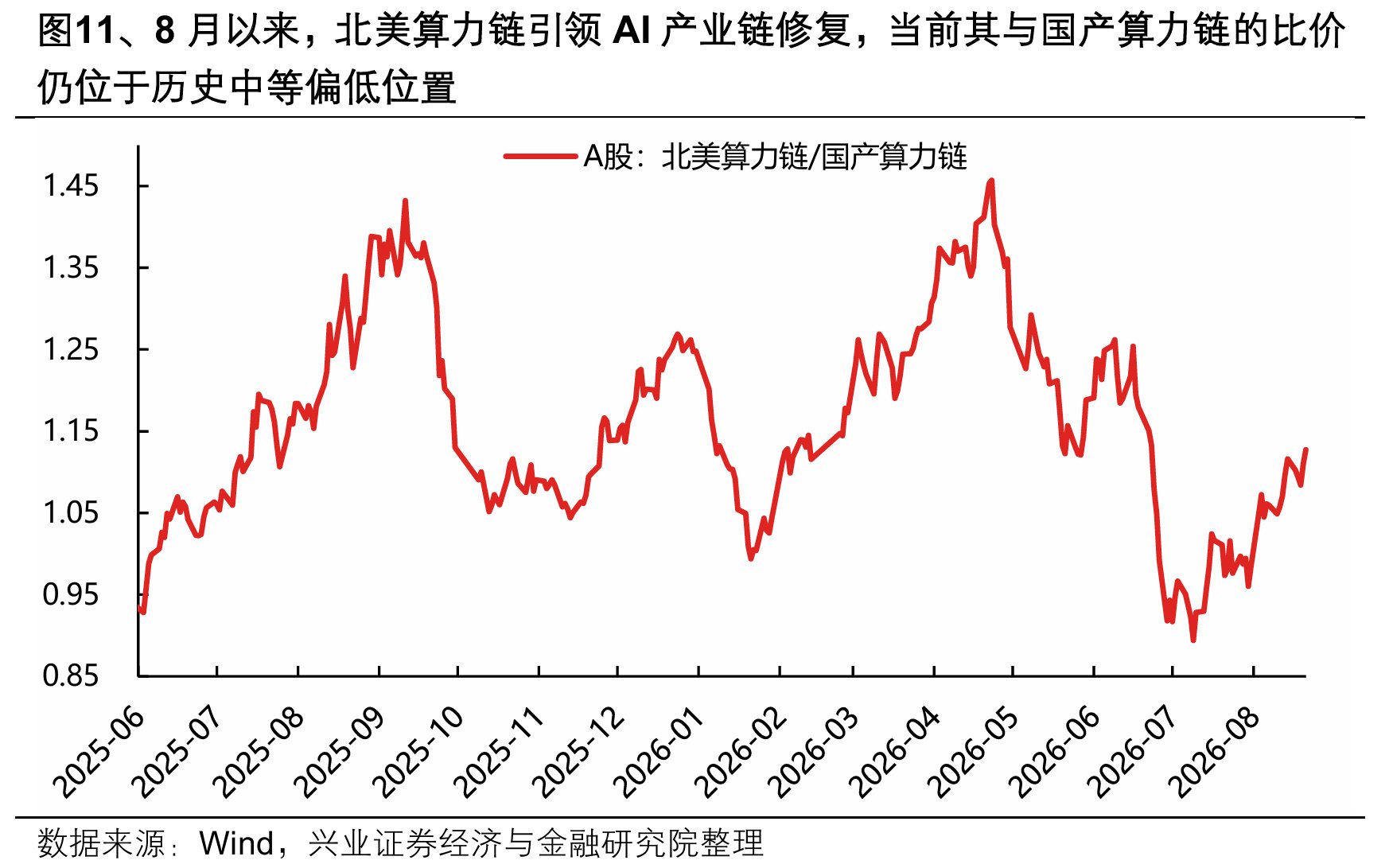
High-quality hard technology assets are still expected to be the core driving force leading to market recovery in the future. Internally, we continue to focus on leading the North American computing power chain, such as optical modules, PCBs, and optical fiber cables, which are still cost-effective in this round of restoration.
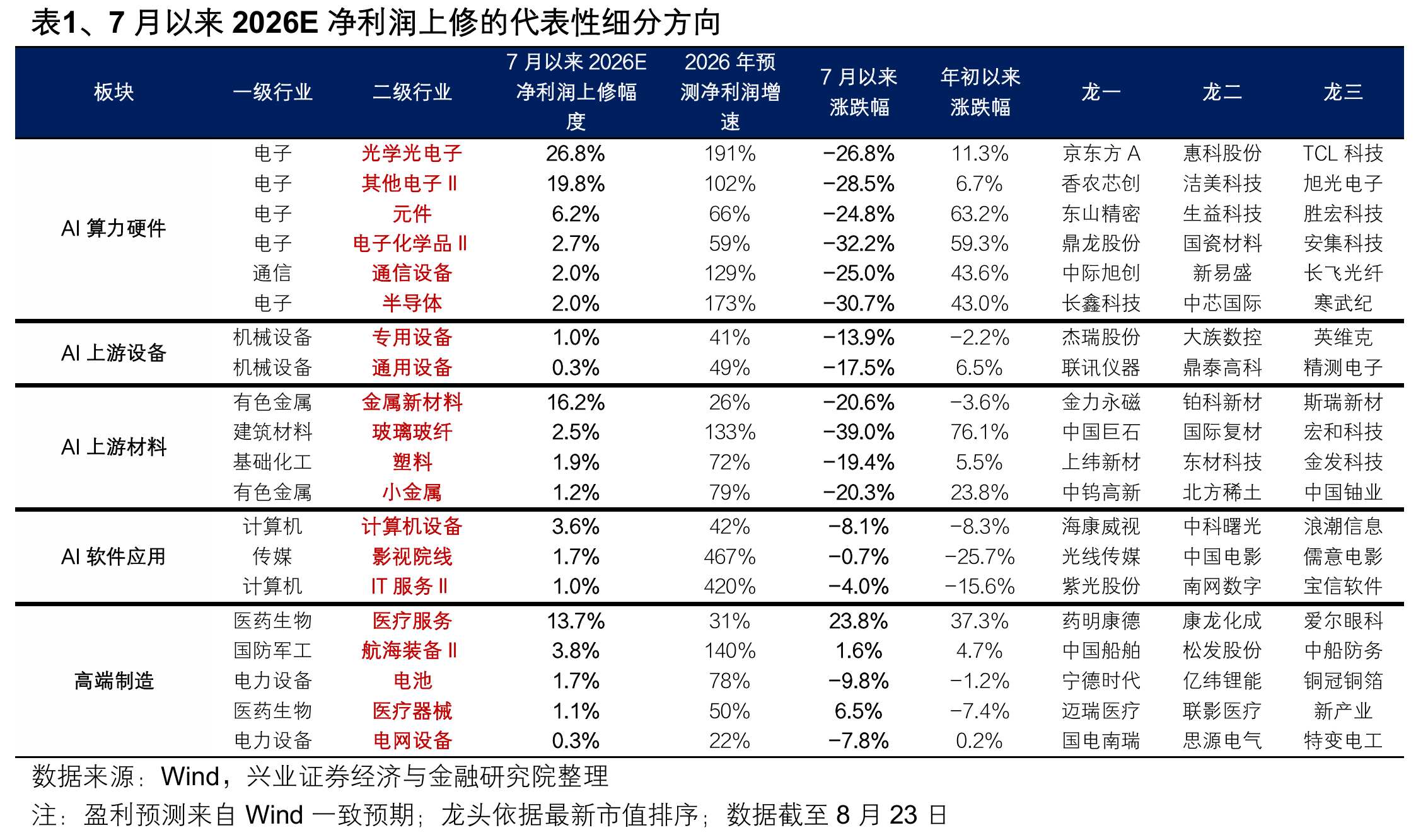
Also, pay attention to other boom clues that have not been fully priced: non-ferrous, AI upstream equipment, innovative drugs, new energy (battery energy storage, power grids), and AI upstream materials (glass fiber, small metals) that have surpassed the decline in resource products.
Risk warning: Fluctuating economic data, lower than expected policy easing, falling short of expectations by the Federal Reserve's interest rate cut, escalating geographical situation, etc.