
 Nasdaq
 華爾街日報
華爾街日報CAM Charges: What They Are and Why They’re Important
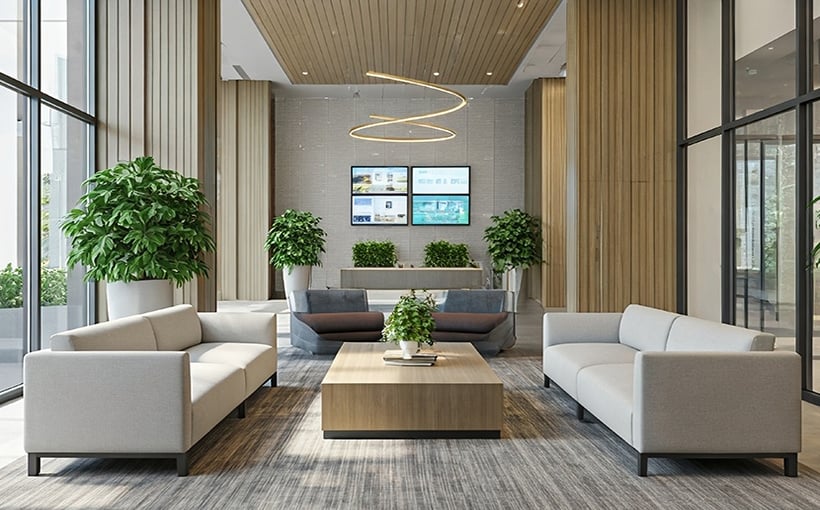
Property managers regularly bill occupiers for various services. However, one that isn’t discussed quite as much is common area maintenance (CAM) fees. According to a J.P. Morgan article, “Why CAM Charges are Important for Property Managers,” shared building spaces demonstrate that occupants’ needs are prioritized. Furthermore, maintaining those common areas is an important part of managing a commercial property.
As such, “common area maintenance fees play a crucial role in managing the shared spaces of neighborhood shopping centers, mixed-use developments and other commercial properties,” according to Jake Bade, Head of Commercial Mortgage Lending at Chase.
Additionally, proper CAM management helps create consistent cash flow, while improving operating efficiency and building better relationships with tenants.
Defining the CAMs
CAM fees are what tenants pay for work and upkeep on shared spaces in commercial properties. While these costs can vary by asset class, type and location, they often include:
- Lobby lighting, electricity and utilities
- Water for irrigation
- Landscaping
- Parking lot, sidewalk and driveway maintenance
- Janitorial services
The article explained that the pro rata share (the percentage of square footage that tenants occupy in a building) generally determines their payment portion of CAM expenses. Additionally, “in many commercial leases, property managers estimate expected CAM expenses as part of the building’s annual budget at the beginning of each year, then bill occupants monthly based on those estimates,” the article commented.
However, CAM costs aren’t stagnant and can fluctuate based on unforeseen events, such as severe weather, sudden repairs, and a shift in market trends. As such, property managers reconcile the CAM forecast with actual costs and either bill tenants for any overages or offer credits for overpayments.
The article also provided guidance on how to ensure CAM charges are accurate, while helping tenants understand their obligations.
- Be transparent. Tenants should receive detailed annual statements that break down CAM costs by category, along with supporting documents to verify the charges.
- Ensure ongoing communications. The article suggested that property managers be proactive in communicating CAM charges, especially if there are increases. If this is the case, explain why costs are increasing.
- Perform preventative maintenance. Shared areas should be inspected regularly to ensure they’re in good working order and to avoid costly repairs. The article stated that inspections should cover major systems, such as HVAC and roofing, as well as smaller issues, including flooring, signage and lighting.
The post CAM Charges: What They Are and Why They’re Important appeared first on Connect CRE.