


FP Stock In Focus As Board Weighs New Forecasts
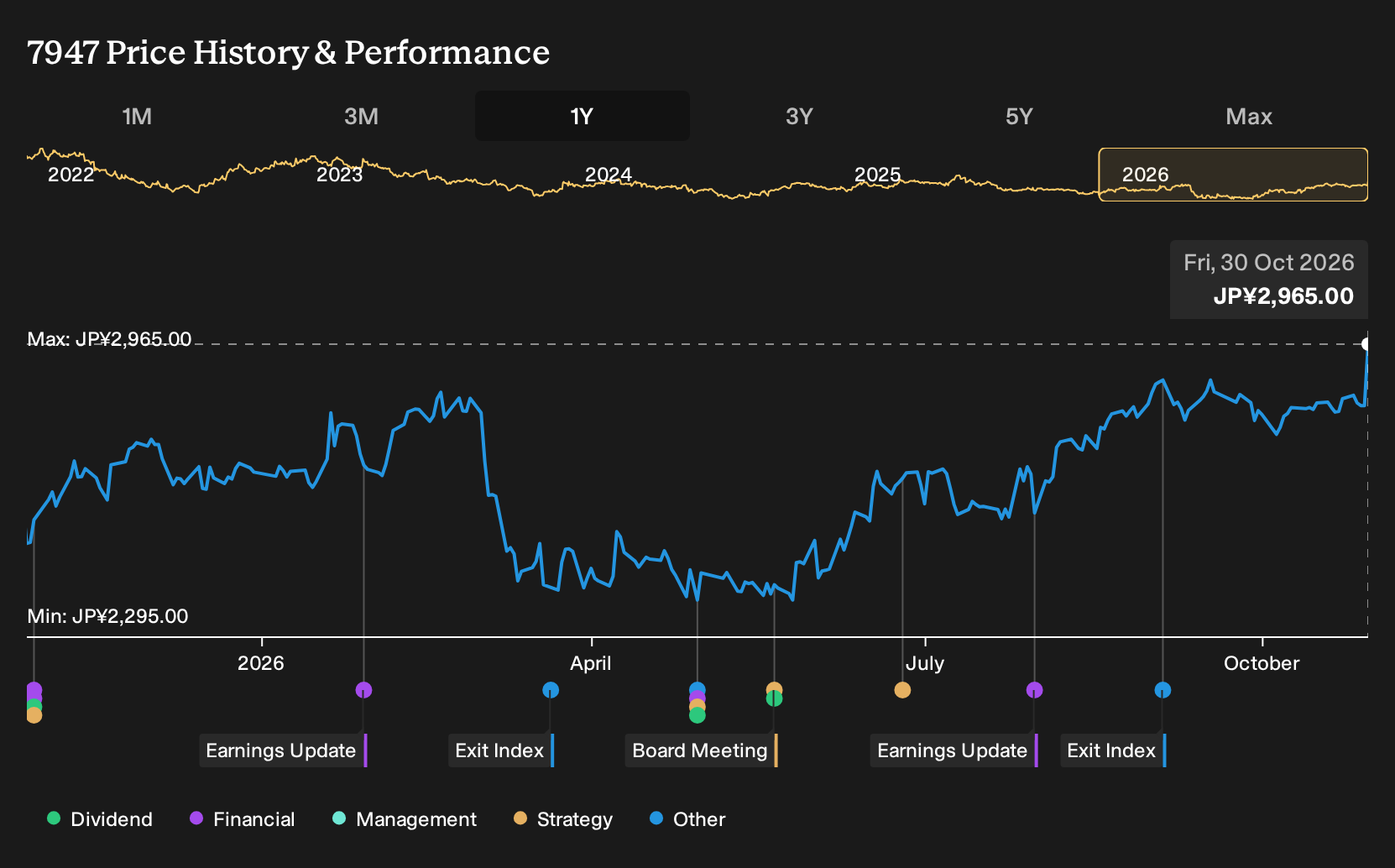
- FP Corporation held a Board Meeting on October 30, 2026 to consider announcing consolidated forecasts for the fiscal year ending March 31, 2027 and to review how pricing, raw material sourcing, and cost linked selling practices might support stable growth.
- Management is explicitly tying its new forecasts to stable procurement of key inputs and to price revisions of more than 20% on products shipped from June 1, 2026, which places unit economics and cost discipline at the center of the discussion.
- We will examine how FP Corporation's investment narrative is shaped by this emphasis on price revisions and cost aligned selling.
Compare how FP approaches pricing power and input costs with other manufacturers that pass through inflation and supply pressures by screening for 16 high quality undervalued stocks.
What Is FP's Investment Narrative?
To own FP, you need to be comfortable with a packaging business that leans on disciplined pricing, stable raw material procurement, and steady but not rapid growth. Operations are tied closely to Japanese food retail demand, so volume tends to be more about day to day consumption than big cyclical swings. Capital needs are real in manufacturing, yet FP has managed consistent earnings and a dividend, with earnings growing over the past five years and profit margins currently above last year.
The October 30 Board meeting matters because it openly links the next fiscal year forecast to cost aligned pricing. Management is effectively telling you the near term story is about keeping those more than 20% price revisions flowing through while protecting volume and sourcing. That can support profitability and cash flow if execution is clean, even though revenue and earnings forecasts point to only modest growth from here.
That said, tucked inside this relatively measured story is one pressure point that could start to matter more if ...
There's only one way to know the right time to buy, sell or hold FP. Head to Simply Wall St's company report for the latest analysis of FP's Fair Value.
The Verdict Is Yours
Don't just follow the ticker. Dig into the data and build a conviction that's truly your own.
- A great starting point for your FP research is our analysis highlighting 4 key rewards that could impact your investment decision.
- See our latest analysis for FP. The report includes a comprehensive fundamental analysis summarized in a single visual, the Snowflake, making it easy to evaluate FP's overall financial health at a glance.
Looking For More Investment Ideas Beyond FP Corporation?
Once you have formed a view on FP Corporation, it can help to widen the lens and compare it with other businesses that share similar qualities or offer a different balance of risk and income.
- If you want potential value combined with resilient fundamentals, start by scanning a 69 high quality undiscovered gems that might not yet be widely followed.
- For investors who care most about stability and capital preservation, review a 23 resilient stocks with low risk scores that scores well on balance sheet strength and volatility.
- If your priority is predictable income, focus on a 28 dividend fortresses that offer higher yields supported by underlying cash flows.
Have feedback on this article? Concerned about the content? Get in touch with us directly. Alternatively, email editorial-team@simplywallst.com