


3 British Nuclear Stocks To Own In October 2026
Oil prices are being shaken by attacks on tankers in the Strait of Hormuz, which keeps reminding investors how exposed the world still is to fossil fuel supply routes. Reliable electricity sources suddenly look more valuable, and UK nuclear energy stocks sit squarely in that conversation. This article walks through three nuclear focused companies from our screener that could help you understand and assess this long term power theme.
The three stocks highlighted here offer a compelling starting point if you want exposure to uranium producers, fuel cycle specialists and nuclear reactor operators for reliable and sustainable power. However, if you want the absolute best, these 16 nuclear renaissance stocks are the cream of the crop.
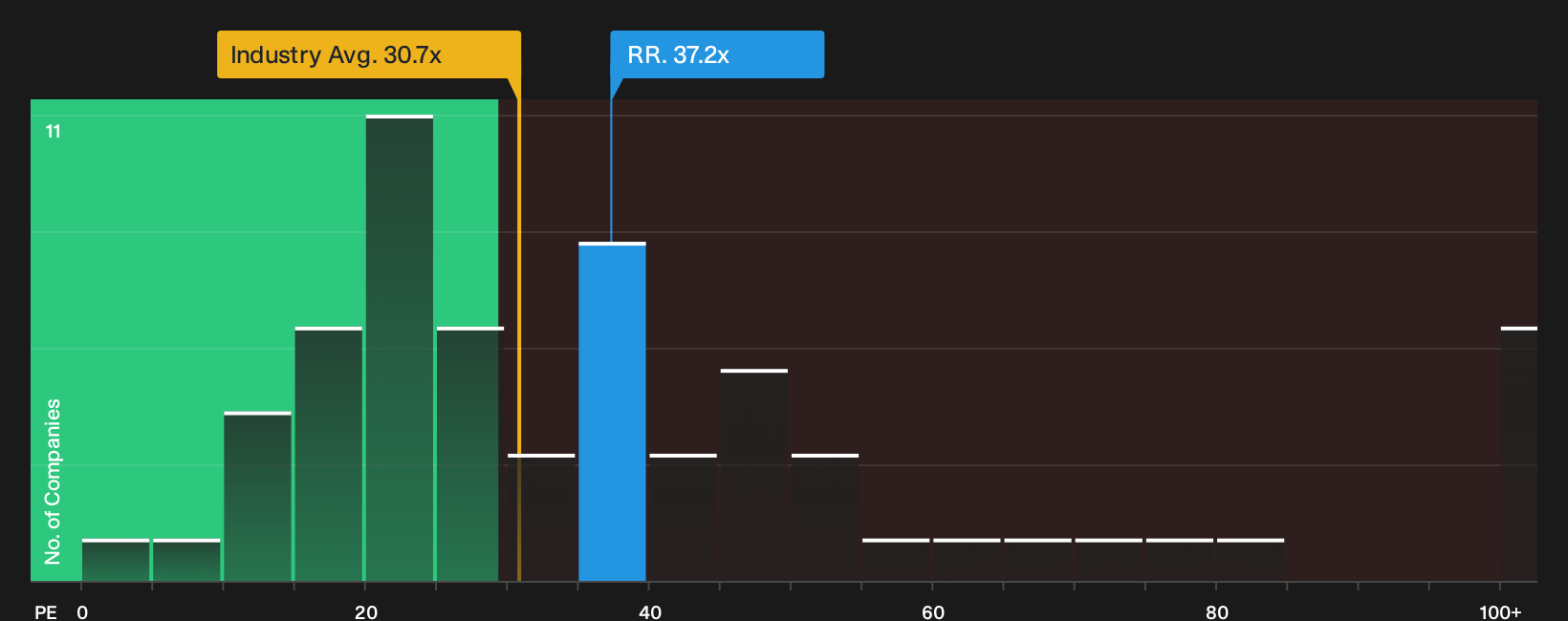
Rolls-Royce Holdings (LSE:RR.)
Rolls-Royce Holdings is best known for jet engines, yet its Defence arm links it directly to nuclear energy through submarine reactors. This sits alongside sizeable Civil Aerospace and Power Systems activities and supports a business now valued at about £113.1b.
Rolls-Royce generates most of its £23.3b in segment revenue from Civil Aerospace at about £11.8b, with sizeable contributions from Power Systems of roughly £5.5b and Defence at around £5.0b.
For nuclear focused investors, Rolls-Royce brings submarine reactor know how plus heavy exposure to mission critical power, and the next question is how durable that earnings mix really is.
"A significant portion of current narrative and valuation appears premised on Power Systems segment growth, particularly the data center power generation boom, continuing at near-peak rates (20%+ per year) as cloud and AI infrastructure expand."
The real swing factor is what happens if a single pressure point in those long cycle power contracts quietly squeezes future profitability.
If that pressure point matters to your thesis, read the full narrative for Rolls-Royce Holdings to see how those long cycle contracts and nuclear exposure really interact.
National Atomic Company Kazatomprom JSC (LSE:KAP)
Kazatomprom is a pure nuclear fuel play at scale, with uranium mining, processing and marketing driving about KZT 1,697.0b of Uranium segment revenue alongside smaller Ulba Metallurgical and other activities, and a roughly US$16.4b market cap anchoring its role in the reactor fuel chain.
Kazatomprom matters for this nuclear energy screen because it sits right at the fuel source, connecting uranium deposits in Kazakhstan to reactor operators across the US, Europe and Asia. The broader consideration is how that position might relate to its pricing power over time.
"Global structural undersupply of uranium driven by increasing nuclear build-outs, plant lifespan extensions, and a lag in bringing new projects online is supporting a multi-year demand upcycle, positioning Kazatomprom for sustained pricing power and higher sales volumes, positive for revenue and margin growth."
A key consideration for investors is what could happen if less visible costs or regulatory pressures were to reduce that potential pricing advantage over time.
Those hidden pressures are exactly what the full narrative for National Atomic Company Kazatomprom JSC unpacks, separating short term noise from the long term forces that could keep Kazatomprom accelerating or stalled.

Centrica (LSE:CNA)
Centrica is an integrated energy group that supplies power and services to homes and businesses, with a nuclear generation line that ties it directly into the UK’s low carbon baseload story. Most of its £20.5b reported revenue comes from Retail at about £16.3b, with Optimisation adding £6.0b and Infrastructure around £1.6b, while inter segment items reduce the total. The stock is valued at roughly £6.7b.
Centrica gives you something different in this nuclear screen. Rather than a pure uranium miner or single asset utility, you get a broad energy supplier where nuclear stations feed into a wider mix of retail supply, trading and infrastructure earnings.
"Centrica's expanding investment in regulated, low-carbon generation assets (notably the Sizewell C nuclear project), combined with opportunities in potential nuclear life extensions and carbon storage (Morecambe Net Zero), positions the company to capture stable, long-duration, inflation-linked returns amid accelerating decarbonization policies. This supports predictable revenue and enhanced margins over the long term."
What really shapes the outcome for Centrica’s nuclear story is how one quiet constraint on cash generation ultimately feeds through to those future margins.
If that cash constraint is on your mind, read the full narrative for Centrica to learn more about how Centrica’s nuclear projects could influence cash generation and long term value drivers.

Seeking Alternatives Before Momentum Flies
Fresh ideas move first. By the time every headline catches on, the cleaner entry points can be gone. Scan these under the radar lists while it matters and get in early.
- Spot potential cash machines before they get crowded by checking out 4 dividend fortresses, which is built to highlight income plays that aim to keep distributions coming even when sentiment drops.
- Track where real earnings strength could meet AI momentum using 38 profitable AI stocks that aren't just burning cash, curated for businesses chasing growth without relying only on cash burn to stay in the game.
- Target resilient balance sheets before stress tests them by using the 4 resilient stocks with low risk scores, which is built to surface companies that aim to stay standing when markets turn choppy.
This article by Simply Wall St is general in nature. We provide commentary based on historical data and analyst forecasts only using an unbiased methodology and our articles are not intended to be financial advice. It does not constitute a recommendation to buy or sell any stock, and does not take account of your objectives, or your financial situation. We aim to bring you long-term focused analysis driven by fundamental data. Note that our analysis may not factor in the latest price-sensitive company announcements or qualitative material. Simply Wall St has no position in any stocks mentioned.
Have feedback on this article? Concerned about the content? Get in touch with us directly. Alternatively, email editorial-team@simplywallst.com