


Should AI Career Studio Launch Require Action From Pearson (LSE:PSON) Investors?
- Pearson has launched Career Studio for School and Career Studio for Work within its Pearson Studios family, aiming to link career exploration, skills training, and industry certifications for students and adult learners. Both products are currently in pilot and targeted for broader availability in 2027.
- The new Pearson Studios offerings combine CTE content, eDynamic Learning simulations, and Pearson Certiport credentials, highlighting an effort to turn the existing content library and AI tools into integrated workforce readiness platforms for schools, colleges, workforce bodies, and employers.
- The focus now is on how Pearson's investment narrative develops as these AI supported workforce readiness platforms move from pilot to full rollout.
Pearson Investment Narrative Recap
For an investor to stay with Pearson, belief needs to center on the shift from traditional courseware toward higher margin, digital and skills based services that tap demand for credentials, assessments, and workforce learning. The Career Studio pilots fit that story, but with commercial launch only planned for 2027, they are not the key near term driver.
Right now, the more immediate swing factors remain FX volatility, contract timing in areas like Pearson VUE, and pressure in slower segments such as Virtual Learning and institutional English Language Learning. The new Studios news does not change those operational risks in a material way over the next year.
The launch of Career Studio for School and Career Studio for Work is the clearest recent announcement connected to Pearson's AI and workforce readiness ambitions. Both offerings tie together CTE content, eDynamic Learning simulations, and Pearson Certiport certifications into a more unified skills platform for schools, colleges, workforce bodies, and employers.
For catalysts, the interest is less about immediate revenue and more about execution. Management now has to prove it can integrate content, AI tooling, and credentialing into products that districts and employers actually adopt at scale, while still handling contract concentration, regulatory exposure, and competition from faster moving edtech rivals.
What The Pearson Consensus Is Really Pricing In
Pearson's AI supported workforce story now sits on top of a fairly specific analyst earnings model. Those estimates assume the group can steadily grow digital services and tighten margins while absorbing pressure in slower units like Virtual Learning and institutional English Language Learning.
On the top line, the consensus framework builds around revenue rising by 4.4% a year over the next three years. That is a measured pace for a large education services company rather than a high growth profile, and it reflects both the upside from skills and credential demand and the drag from mature or shrinking courseware segments.
Earnings expectations are clearer in the numbers. Analysts model profit of £335.0 million today moving to £455.8 million by 2029, with some viewing £503.7 million as possible. That implies an earnings increase of about £120.8 million across the period and a lift in profit margins from 9.4% to 11.2%, which effectively assumes Pearson can keep trimming costs and pushing mix toward higher margin assessment and workforce products.
Valuation work in these reports links those profit assumptions to a 2029 revenue figure of £4.1b. On that view, Pearson would be earning £455.8 million in that year and trading on a P/E of 18.9x, compared with 21.7x today and analyst commentary that the broader US Consumer Services peer set sits around 18.6x. The gap between the current share price of £12.07 and the consensus target of £12.24 is just 1.4%. This suggests many forecasters see the shares as roughly in line with their models rather than obviously mispriced.
One extra moving part in the Pearson equity story is capital return. Forecasts call for the share count to decline by 3.99% each year for three years, which points to ongoing buybacks and adds another source of potential earnings per share support alongside any operating progress.
Pearson's narrative projects £4.1b revenue and £455.8 million earnings by 2029. This rests on 4.4% yearly revenue growth and an earnings increase of about £120.8 million from £335.0 million today.
Uncover why Pearson's fair value indicates a 10% potential downside to its current price, which leaves little room for error.
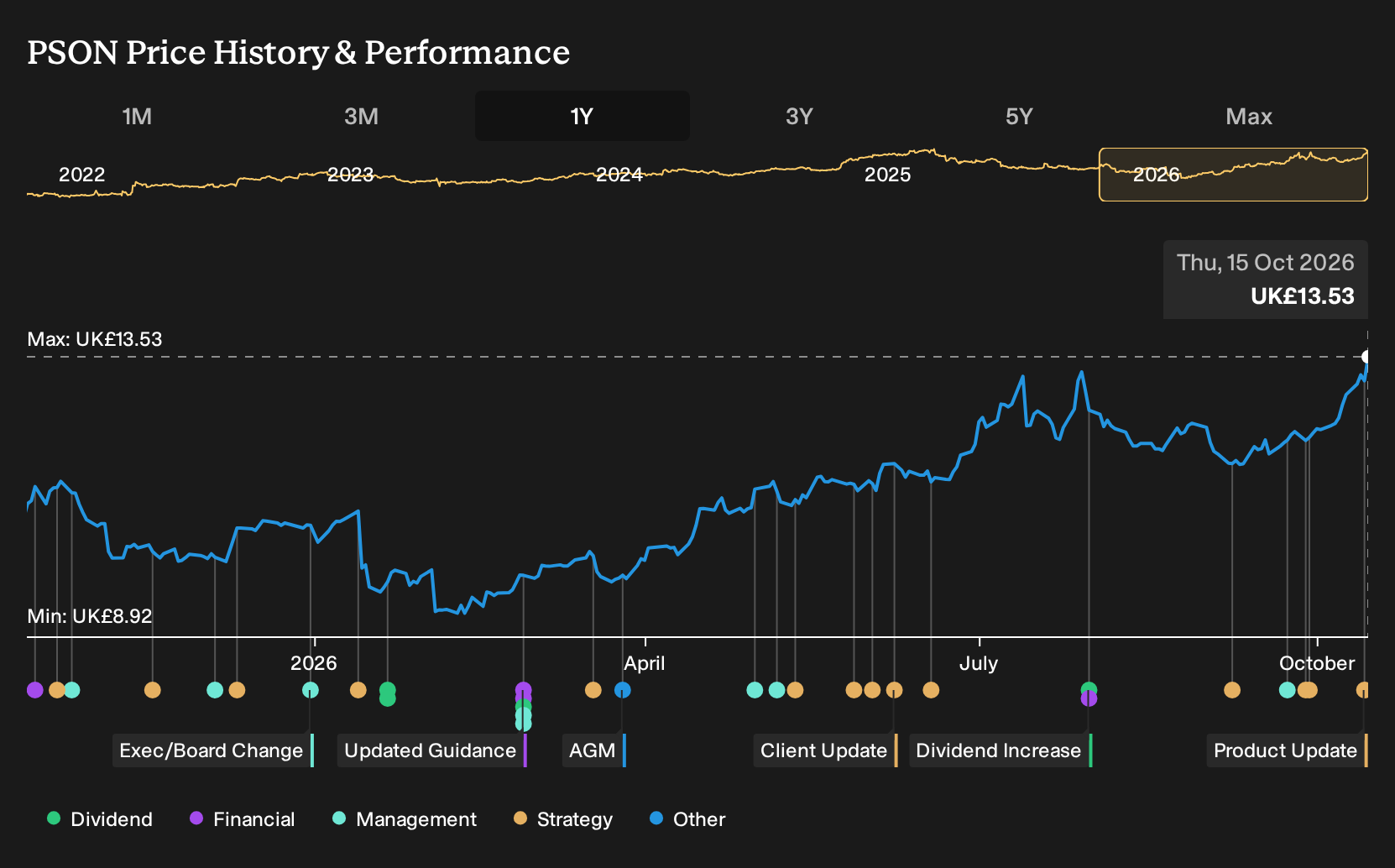
Exploring Other Perspectives
One alternate view on Pearson leans heavily on contract risk. You see bearish analysts projecting only 3.8% annual revenue growth and earnings of about £461.2 million by 2029, versus £319.0 million today, and assigning a £10.5 price target. Those estimates came before Career Studio was announced, so expectations on both sides may shift.
Explore 2 other Pearson fair value estimates, including one that suggests as much as 10% downside from the current price.
The Verdict Is Yours
Disagree with existing narratives? Extraordinary investment returns rarely come from following the herd, so go with your instincts.
- A great starting point for your Pearson research is our analysis highlighting 2 key rewards that could impact your investment decision.
- See our latest analysis for Pearson. The report includes a comprehensive fundamental analysis summarized in a single visual, the Snowflake, making it easy to evaluate Pearson's overall financial health at a glance.
Looking For More Ideas Beyond Pearson?
If the Pearson story has sharpened your thinking about earnings quality, balance sheets, and future potential, it can be useful to line it up against a wider watchlist. The Simply Wall St Screener lets you scan for very different profiles so you can see where Pearson fits in your broader playbook.
- If capital preservation matters most, consider companies with steadier risk profiles through our 4 resilient stocks with low risk scores and compare how they stack up against Pearson's volatility and contract exposure.
- For investors focused on income, you can zero in on payout strength and resilience by reviewing our 4 dividend fortresses and weighing those yields against Pearson's own capital return plans.
- Readers hunting for mispriced quality can broaden their opportunity set by running a filter on the 9 high quality undervalued stocks and using it as a foil to Pearson's current P/E and forecast assumptions.
This article by Simply Wall St is general in nature. We provide commentary based on historical data and analyst forecasts only using an unbiased methodology and our articles are not intended to be financial advice. It does not constitute a recommendation to buy or sell any stock, and does not take account of your objectives, or your financial situation. We aim to bring you long-term focused analysis driven by fundamental data. Note that our analysis may not factor in the latest price-sensitive company announcements or qualitative material. Simply Wall St has no position in any stocks mentioned.
Have feedback on this article? Concerned about the content? Get in touch with us directly. Alternatively, email editorial-team@simplywallst.com