


3 Tanker Shipping Stocks to Watch as Diesel Trade Routes Shift
A sudden loosening of Russian diesel sanctions has sent a fresh wave of fuel onto global waters, and tanker shipping stocks now sit right in the cross‑current. Freight demand, route reshuffling, and pricing power could shift quickly, creating room for both opportunity and disappointment if you are not watching closely. This article walks through 3 stocks from our Independent Oil & Refined Product Tanker Shipping Stocks screener that are closely tied to this news.
The 3 stocks in this piece are just a starting sample, since the full screen surfaced 13 more independent tanker shipping companies with equally detailed stories that are not covered here.
If you want to identify and analyze the wider opportunity set right now, head straight to the Independent Oil & Refined-Product Tanker Shipping Stocks screener.
Pyxis Tankers (PXS)
Overview: Pyxis Tankers operates a small fleet of product tankers and dry-bulk vessels that ship refined fuels and other bulk cargo worldwide.
Operations: Pyxis Tankers generates about $24 million from its tanker fleet and $19 million from its dry-bulk fleet, closely tied to freight markets.
Market Cap: $83 million
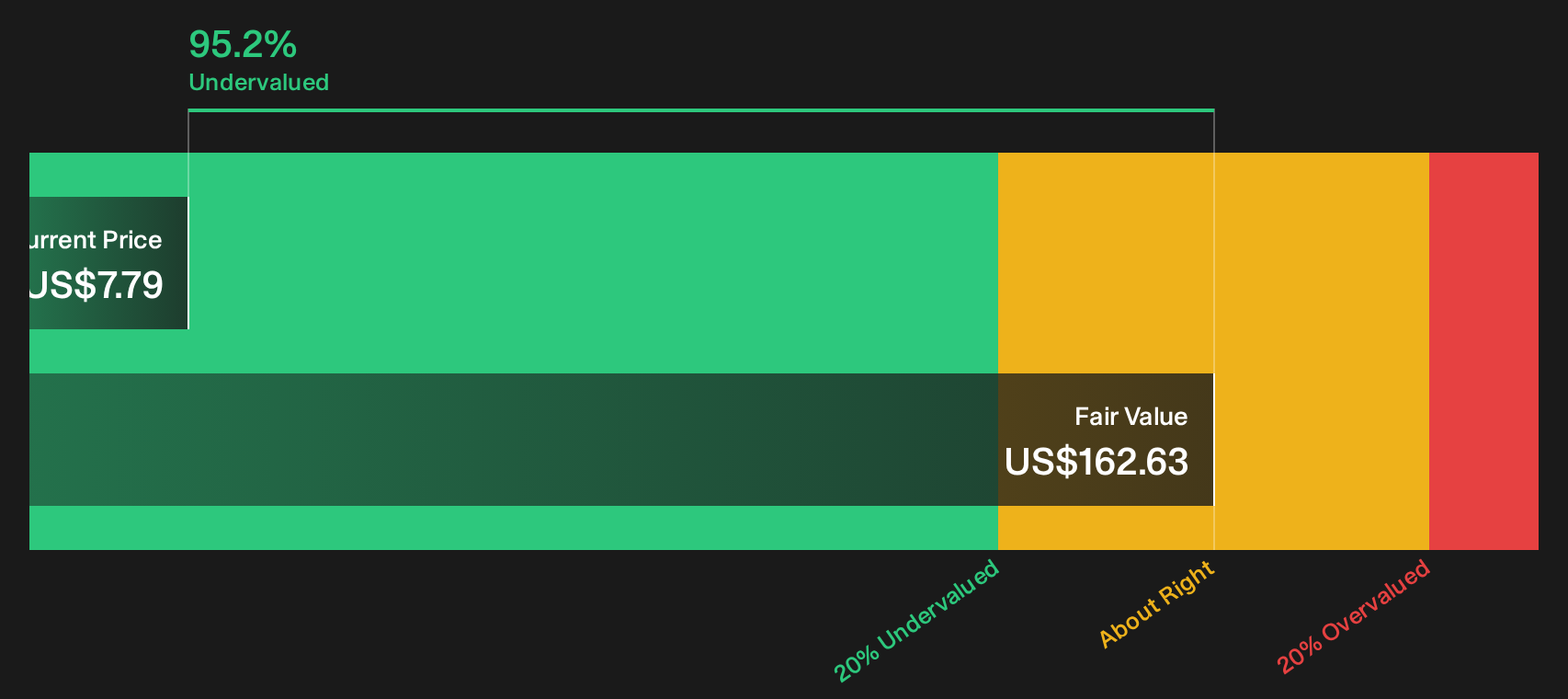
Pyxis Tankers is directly involved in the refined products shipping theme, with product tankers exposed to freight swings and changing diesel trade routes. The stock is linked to shifts in voyage demand as Russian diesel flows reshape global routes and pricing. Investor interest largely rests on what happens when one unseen pressure on product tanker utilization moves even slightly in either direction.
When that pressure quietly shifts, the DCF valuation analysis for Pyxis Tankers shows how Pyxis Tankers could be priced if diesel trade routes continue to reshape tanker demand.
Heidmar Maritime Holdings (HMR)
Overview: Heidmar Maritime Holdings runs global tanker and dry bulk pools, managing vessels, charters, and a digital fleet tracking platform for oil and fuel shipping.
Operations: Heidmar Maritime Holdings generates about $88 million from transportation and shipping activities linked to tanker and dry bulk pool management.
Market Cap: $111 million
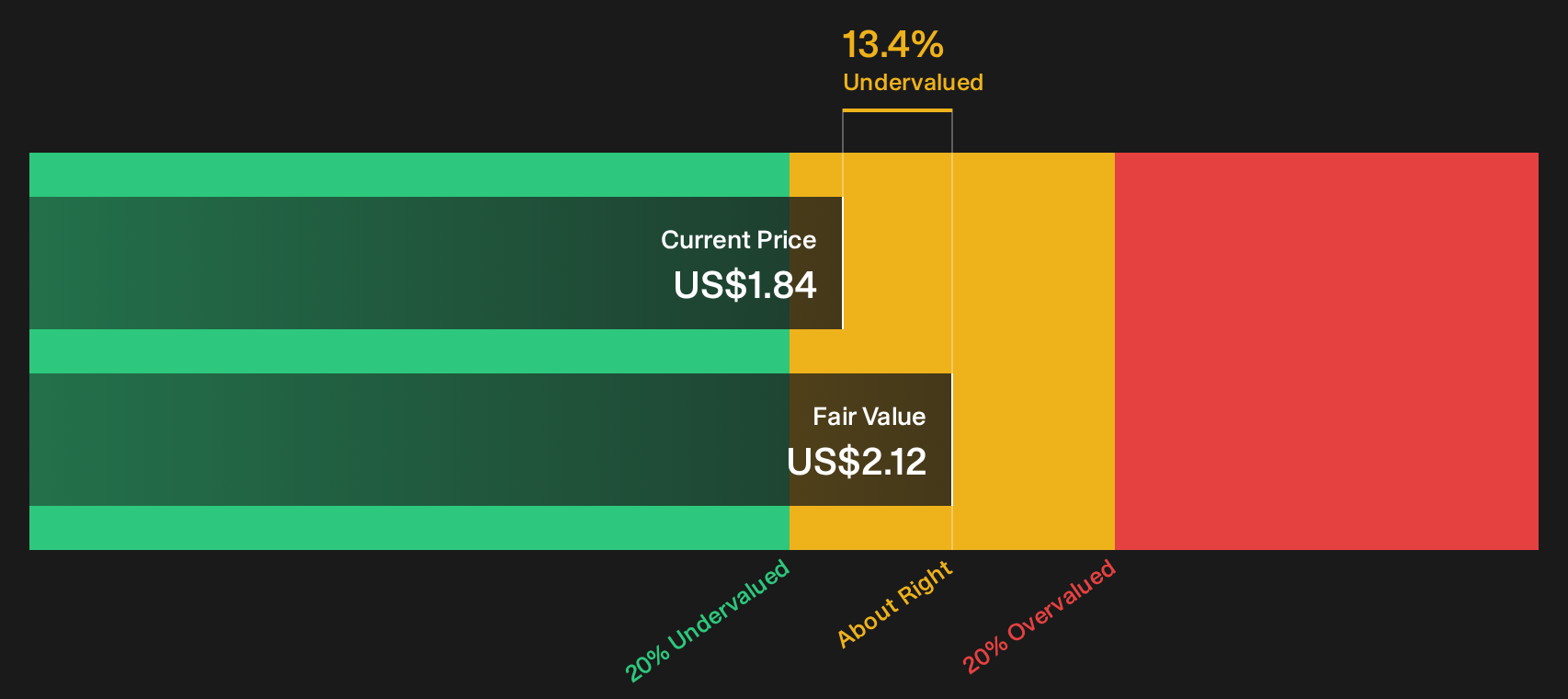
Heidmar Maritime Holdings provides exposure to tanker freight demand rather than fuel prices, with earnings tied to how many voyages its managed fleet secures and at what charter rates. The recent return to profitability, alongside tanker pools that respond quickly to shifting Russian diesel flows, places significant importance on how even small changes in underlying freight demand pressures can affect results.
Those fast moving freight pressures make the 3 key rewards and 1 important warning sign a useful shortcut for spotting where Heidmar Maritime Holdings could be mispriced on both risk and upside.
SFL (SFL)
Overview: SFL Corporation owns and charters a diversified fleet of tankers and other vessels, giving investors direct exposure to global oil and fuel shipping.
Operations: SFL Corporation generates about $712 million from transportation and shipping activities across its chartered vessel fleet.
Market Cap: $1.88 billion
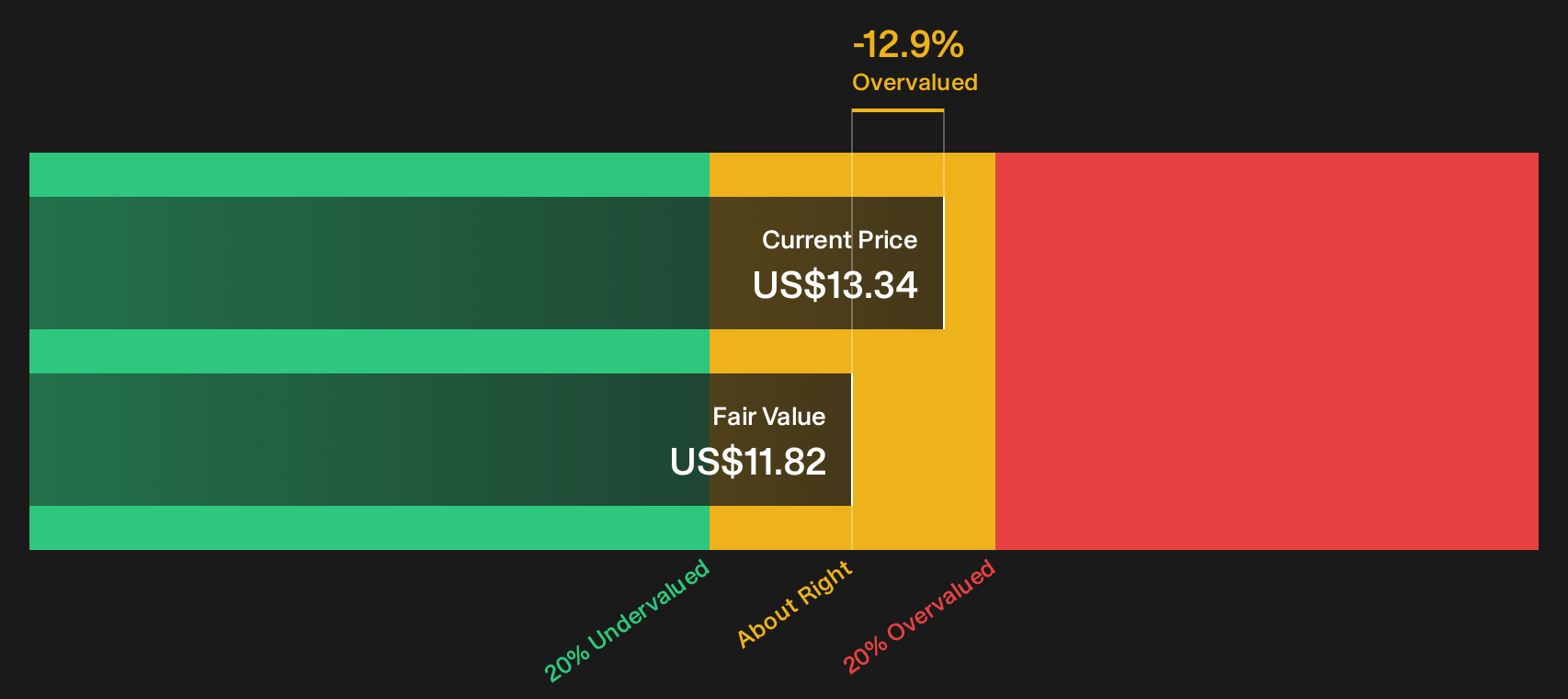
SFL Corporation brings tanker exposure into a broader shipping platform. Its ability to lock in long-term cash flows really matters when diesel trade routes and freight rates start shifting again.
"Although a $4 billion fixed rate charter backlog with mostly investment grade counterparties provides strong cash flow visibility, the long duration of these contracts may limit SFL’s ability to reprice vessels into higher rate environments, capping upside in revenue and EBITDA during shipping upcycles."
One key question is what happens if an unseen pressure in that backlog tilts toward higher fuel-linked demand faster than the contracts can catch up.
If that pressure starts to shift quickly, the full narrative for SFL maps how SFL could balance backlog stability while also increasing its exposure to tankers.
Seeking Alternatives Before Momentum Flies
Fresh breakout ideas rarely stay under the radar for long. The best opportunities move fast, then get caught by the crowd. Scan these screens while it matters and consider them early in your research process.
- Target dependable income streams by reviewing the 8 dividend fortresses curated to highlight companies that aim to balance higher yields with balance sheets designed to withstand tougher stretches.
- Explore potential structural shifts in energy by scanning the 16 nuclear energy infrastructure stocks focused on infrastructure players positioned around long term power demand trends that many investors may still be overlooking.
- Follow the build out of next generation AI hardware by reviewing the 92 AI infrastructure stocks featuring businesses tied to data centers and support systems while broader market attention may still be limited.
This article by Simply Wall St is general in nature. We provide commentary based on historical data and analyst forecasts only using an unbiased methodology and our articles are not intended to be financial advice. It does not constitute a recommendation to buy or sell any stock, and does not take account of your objectives, or your financial situation. We aim to bring you long-term focused analysis driven by fundamental data. Note that our analysis may not factor in the latest price-sensitive company announcements or qualitative material. Simply Wall St has no position in any stocks mentioned.
Have feedback on this article? Concerned about the content? Get in touch with us directly. Alternatively, email editorial-team@simplywallst.com