


BNY (BNY) Stock May Be Fully Priced After Digital Payments Deal
Bank of New York Mellon Corporation has delivered a very strong run over the past few years, which naturally puts a spotlight on whether the business is earning enough on its capital to back up that price. With the stock pulling back recently, the question for you is how those returns on capital stack up against what the current tag implies.
- BNY has returned about 277.3% over the past 3 years, which makes the link between its share price and the returns it earns on its capital especially important to examine.
- The recent agreement with KB Kookmin Bank on cross-border digital payments may support expectations for how efficiently BNY can deploy capital into payment infrastructure and earn returns on those investments over time.
- What if you looked at Bank of New York Mellon through its earnings instead? See what Bank of New York Mellon's 16.3x P/E says about the price.
For investors, the debate is whether the returns BNY earns on its capital today are strong and durable enough to justify the current share price implied by that recent performance and business activity.
If you want to test the same question about returns on capital across a wider field, compare Bank of New York Mellon Corporation with 31 high quality undervalued stocks.
Where Does Bank of New York Mellon Sit on Excess Returns?
The Excess Returns model looks at how much profit Bank of New York Mellon Corporation can earn above its cost of equity and then prices that stream of surplus earnings. In this view, the key inputs are a book value base of $58.82 per share and a stable book value estimate of $66.21 per share, paired with a stable EPS estimate of $10.65 per share that comes from analyst expectations for future return on equity.
BNY’s average return on equity of 16.08% compares with a cost of equity of $6.18 per share, which leaves an excess return of $4.47 per share in the model. The Excess Returns projections put Bank of New York Mellon's estimated intrinsic value broadly in line with the current share price of $144.63. Because the KB Kookmin Bank payments partnership points toward ongoing investment demands in infrastructure, the market’s decision to value the stock roughly in line with these excess returns assumptions suggests investors are already baking that capital deployment into expectations. Find out what Bank of New York Mellon could be worth using our Excess Returns estimate.
The Bank of New York Mellon Narrative: What Would Justify Today's Price?
Simply Wall St Narratives for Bank of New York Mellon Corporation pick up where the excess returns model leaves off. They spell out which paths for growth, profitability and earnings would need to play out for the stock to be worth meaningfully more or less than it is today. Each scenario lays out its own underlying fair value assumptions so you can track those against how Bank of New York Mellon's actual results unfold over time on the Community page.
One of the top community narratives on Bank of New York Mellon: 14% undervalued
"A key requirement is that BNY converts its capacity creation, deeper multi product client relationships, and new digital asset infrastructure into sustained organic growth…"
Discover why this Narrative puts Bank of New York Mellon at 14% undervalued.
One more angle on Bank of New York Mellon Corporation that could matter
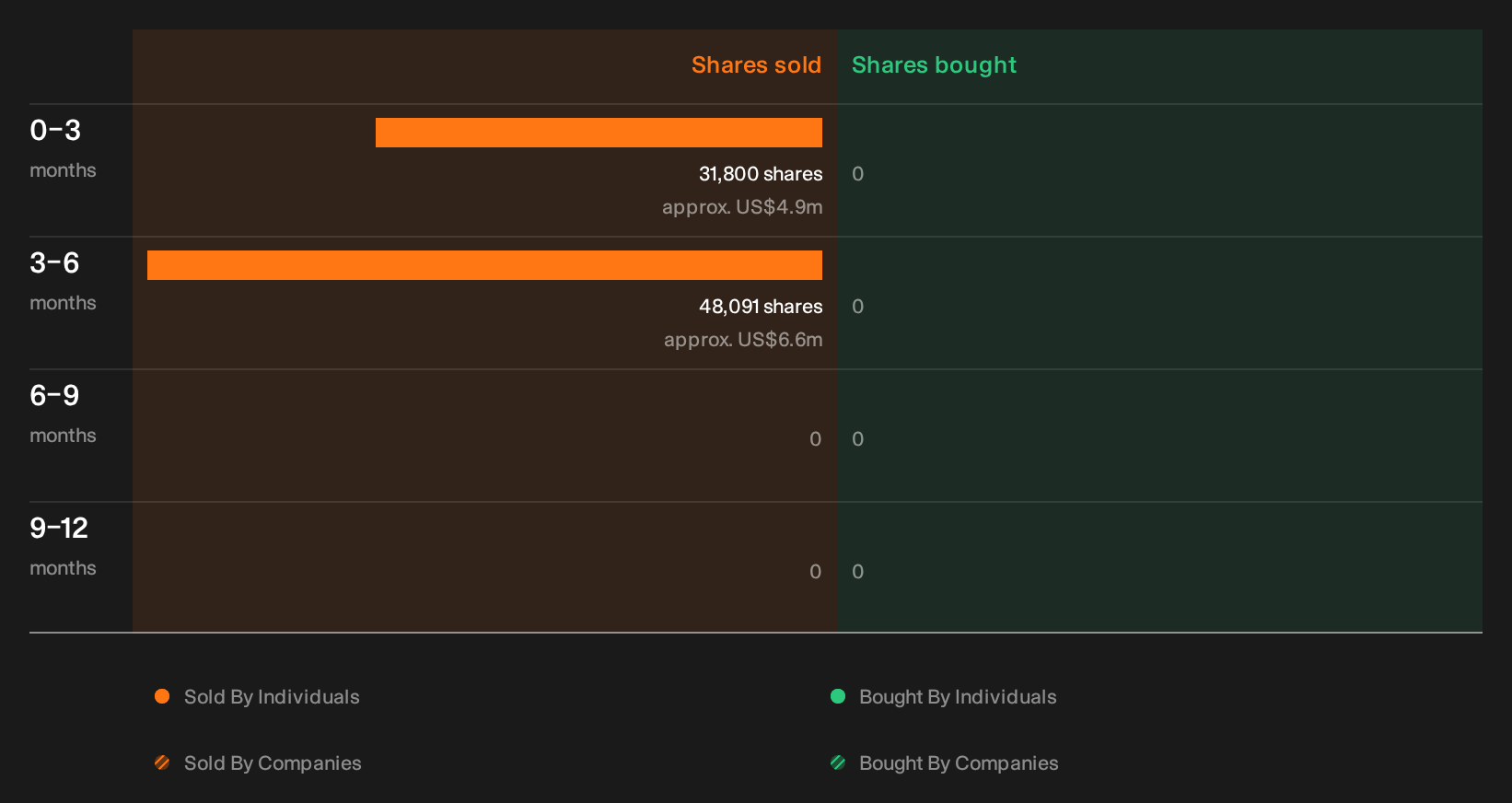
Valuation work only goes so far without checking what senior insiders are actually doing with their own holdings in Bank of New York Mellon Corporation, and recent transactions our checks picked up are worth a closer look. See the recent insider selling flagged for Bank of New York Mellon.
This article by Simply Wall St is general in nature. We provide commentary based on historical data and analyst forecasts only using an unbiased methodology and our articles are not intended to be financial advice. It does not constitute a recommendation to buy or sell any stock, and does not take account of your objectives, or your financial situation. We aim to bring you long-term focused analysis driven by fundamental data. Note that our analysis may not factor in the latest price-sensitive company announcements or qualitative material. Simply Wall St has no position in any stocks mentioned.
Have feedback on this article? Concerned about the content? Get in touch with us directly. Alternatively, email editorial-team@simplywallst.com